5 Field-Tested Pigeon Hunting Tactics You Need to Know

Setting up properly for pigeon hunting is rarely a matter of chance. Wind direction, concealment, bird flight paths, and decoy placement can all affect how pigeons approach your position. In this guide, we cover five practical pigeon hunting techniques, including setups that can be used with minimal or no decoys.
1. Best Wind Conditions for Pigeon Hunting
Pigeon hunting is popular all year round. The best conditions for pigeon hunting occur when the wind is at the hunter’s back, encouraging pigeons to approach head-on. Decoy forms should be placed 20 to 25 meters from the hide, arranged in a horseshoe shape wide enough to give wood pigeons the confidence to land in the center.
Know the Rules: Before hunting pigeons, check the current regulations for your location, including season dates, species identification requirements, bag limits, shooting restrictions, and any land-access rules. Regulations can vary by jurisdiction and change between seasons.
2. Pigeon Hunting Setup for a Crosswind
The hunter cannot position his hunting blind in such a way as to have the wind at his back, so it comes at him sideways. We will still use the principle of the horseshoe: the opening opposite the direction of the wind. The form of pigeons is positioned 20/25 meters from the hide, which places the landing zone between 25 and 30 meters (ideal shooting distance).
3. When Pigeons Fly Outside the Decoy Spread
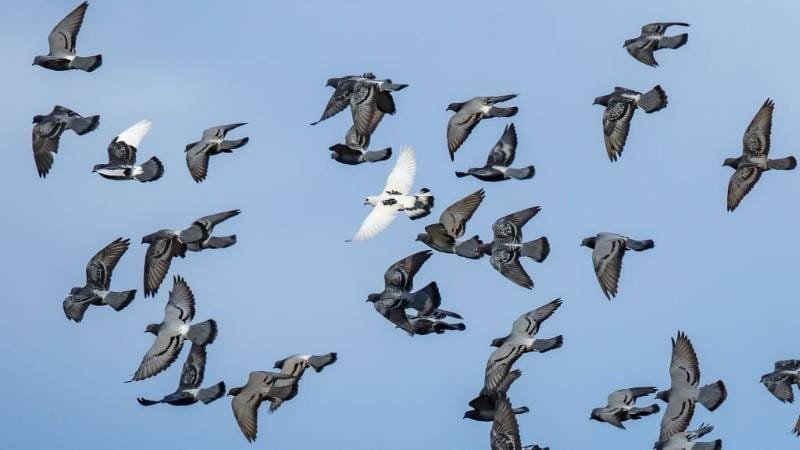
Using one of these first techniques, you notice that the wood pigeons pass outside the horseshoe formed by your pigeon decoys. Make sure it is open at a distance of 20 to 30 meters, depending on the configuration. If so, try this alternative technique:
Arrange the chard in the shape of a large “L”. Be careful not to overload your team with too many pigeon shapes. The wood pigeon needs to have a clear overview before it is confident enough to come and land in your team. A surplus of forms is not necessarily positive.
4. Use Motion Decoys to Add Movement
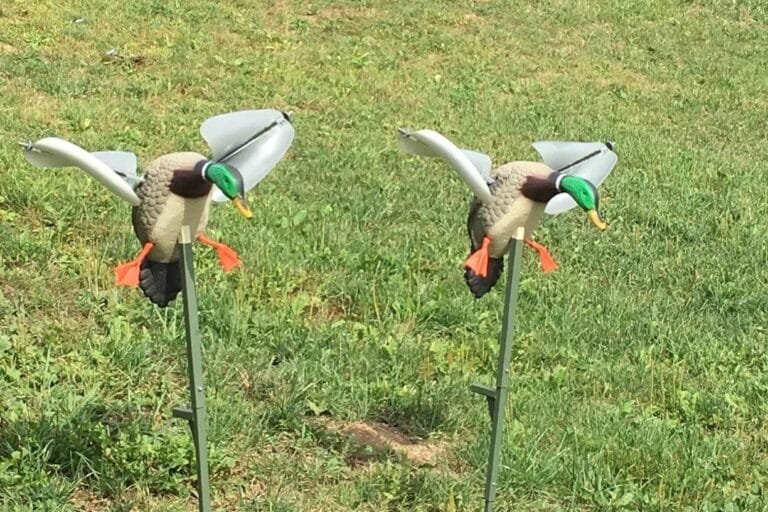
To make your decoy spread more attractive, it is strongly recommended to use mobile shapes. This chard moves with the help of the wind or a motor. They make it possible to increase the realism of your decoy spread. Another advantage provided by these forms, the pigeons will focus on their movement and therefore less on you.
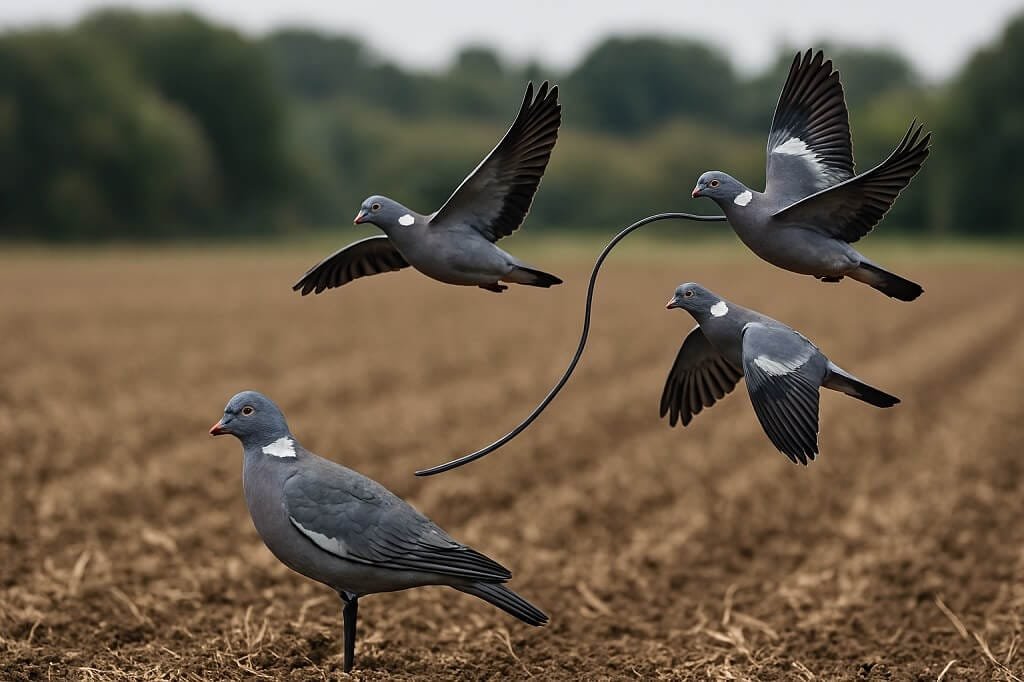
There is a multitude of them – the most popular being the Hypaflap. Here is an example of setup using two Hypaflap shapes, which could be replaced by two pigeon decoys fwith open wings installed on floats or even two pigeons with rotating wings.
The hunter should place the Hypaflap pigeon decoys about 30 meters from the shooting position. After setting up a few decoys on the way back, the Hypaflaps—with open wings or rotating-wing pigeon decoys—should be positioned facing the wind to create natural movement.
5. Hypaflap Setup for Crosswind Conditions
Use the “horseshoe” technique, just add the moving shapes to the ends of it. There are many variations of these few skills, it’s up to you to adapt each of them according to your territory and your hunting methods. We’ll discuss in a future article the different pigeon hunting setups for hunting pigeons with decoys on the ground.
If you have specific techniques that you would like to share, do not hesitate to comment on this article, and if you liked it, share it with your friends! Discover our tips on How to Stay Hidden When Hunting.
Conclusion: Pleasure above all
Pigeon hunting is above all a passion, a pleasure shared with a few friends, gathered for a day and sharing unique moments. Leave aside the numbers and the quest for big paintings, remember to treat yourself above all. We wish you an excellent season, rich in passion and emotion!
Field Note: Pigeon hunting setups can vary considerably with wind, terrain, feeding patterns, and local regulations. The techniques below are practical starting points rather than fixed rules, so adjust the hide and decoy placement to the conditions of your hunting area.
Frequently Asked Questions (FAQs)
What is the best wind direction for pigeon hunting?
A steady wind can help make pigeon flight paths more predictable, but the best setup depends on the terrain and local flight patterns. Position your hide and decoys so approaching pigeons have a natural route into the shooting area.
How far should pigeon decoys be from the hide?
A useful starting point is around 20 to 30 meters from the hide. The ideal distance depends on visibility, terrain, and your shooting conditions, so adjust the spread if pigeons consistently approach too close or pass outside the intended landing area.
How should pigeon decoys be arranged for a crosswind?
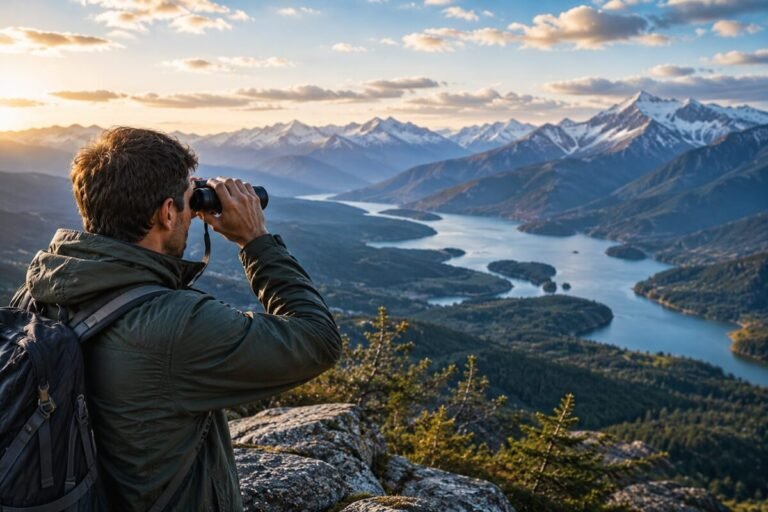
A horseshoe-style spread can be adapted for crosswind conditions by positioning the opening toward the direction from which you want pigeons to approach. Watch the flight line carefully and adjust the spread if birds repeatedly pass outside the decoys. A good pair of binoculars or a spotting scope can also help you observe birds and assess their movement from a distance without unnecessarily disturbing the area.
Do motion decoys help when hunting pigeons?
Motion decoys can add movement to a spread and may help attract a pigeon’s attention, particularly when natural movement is limited. Their effectiveness can vary with wind, weather, hunting pressure, and local bird behavior.
How important is concealment when pigeon hunting?
Concealment is essential because pigeons have strong eyesight and can detect unnatural movement or shapes. Use natural vegetation, camouflage netting, and the existing landscape to help your hide blend into its surroundings.
What should you do if pigeons keep flying outside the decoy spread?
If pigeons consistently pass outside the spread, observe their flight path before changing the setup. You can try an alternative arrangement, such as an L-shaped spread, while keeping enough open space for birds to approach and land naturally.
Do weather conditions affect pigeon hunting setups?
Yes. Wind direction, strength, visibility, and other weather conditions can influence how pigeons travel and how effective a particular setup is. Treat your initial arrangement as a starting point and make adjustments based on observed bird movement.
What gear is often overlooked but essential for pigeon hunting?
Many hunters focus on guns and decoys but forget smaller essentials. Items like a comfortable seat for long waits, ear protection, shooting sticks for steadiness, and proper eye protection can make a huge difference in performance and comfort throughout the hunt.