4 Proven Ways to Improve Your Fishing Skills

Fishing is a constantly renewed field. The number of local fishing associations is increasing daily, and the figures show that leisure is modernizing and far from losing ground. Whether you are a novice angler or a professional angler, there’s always room for improvement in your fishing skills.
Field Tip: After years of freshwater and inshore fishing, one we learn: catching more fish rarely depends on buying expensive gear. Paying attention to weather, water conditions, fish behavior, and practicing consistent techniques has made a far bigger difference than any single lure or rod upgrade.
In this guide, we will explore 4 strategies, techniques, and tips that can help you enhance your fishing skills and elevate your overall fishing experience.
Why Improving Fishing Skills Takes More Than Better Gear
Many anglers assume catching more fish is all about buying better rods or premium lures. In reality, experienced anglers know that patience, observation, decision-making, and understanding fish behavior consistently produce better results. Improving these skills alongside your equipment leads to more successful fishing trips.
Fishing Skills at a Glance
| Skill | Why It Matters | Quick Improvement |
|---|---|---|
| Patience | Prevents rushed decisions | Wait, observe, adjust |
| Fish Behavior | Helps locate fish | Learn seasonal patterns |
| Record Keeping | Reveals trends | Keep a fishing journal |
| Technology | Improves efficiency | Learn GPS and fish finders |
| Safety | Prevents accidents | Wear a life jacket |
How to Improve Your Fishing Skills
1. Be Patient
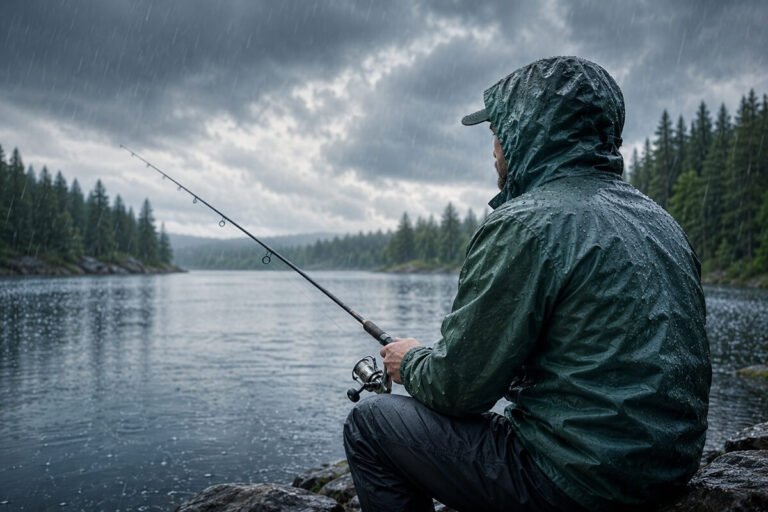
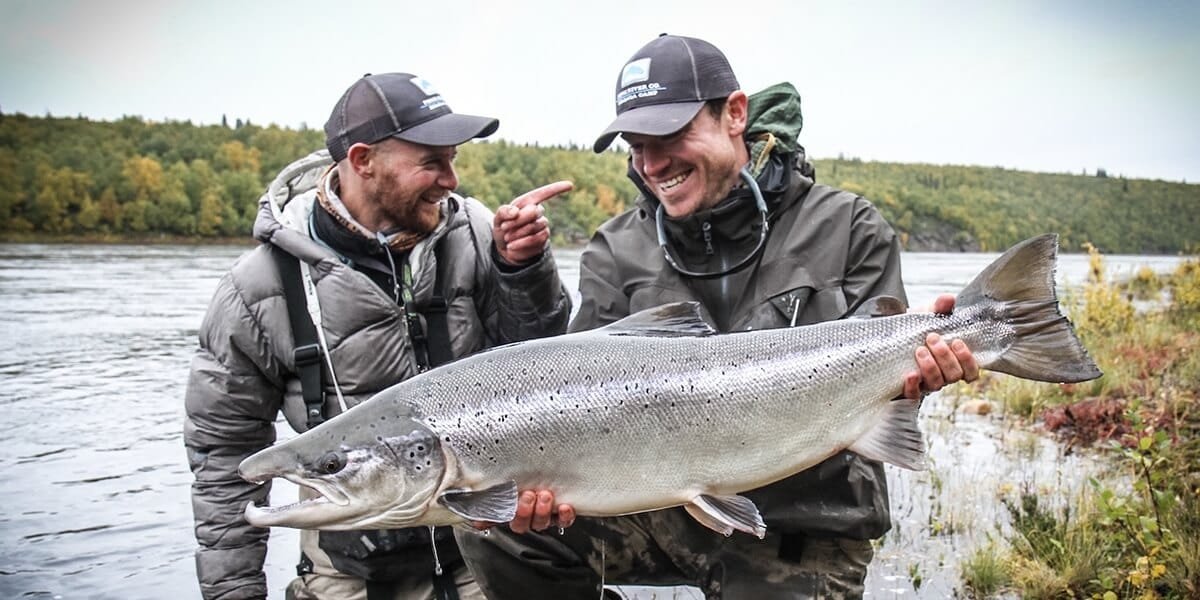
What could be more soothing than watching your lines while admiring the landscape and the reflections of the sun on the water? Whatever fishing technique you have chosen, you are guaranteed to have a good time… Provided you are patient.
Since patience often means spending hours waiting for the next bite, using one of the comfortable fishing chairs can make long sessions more enjoyable and help you stay focused on the water instead of physical fatigue.
When fishing competitively or aiming to achieve a specific goal, it’s easy to get overwhelmed by emotions. We may become impatient, driven by the desire to catch more fish or to outdo our neighbors in size. That’s why cultivating patience is essential—and meditation can be a powerful tool for this. Free from any mysticism, meditation simply helps you stay present in the moment, allowing you to focus your full attention on the task at hand.
Pro Tip: If nothing happens after 20–30 minutes, try changing lure color, retrieve speed, casting angle, or fishing depth before moving to another location.
Recreational fishing continues to attract tens of millions of participants each year across the United States, making it one of the country’s most popular outdoor activities. This figure reflects continued high engagement since the COVID-19 pandemic, which initially sparked increased interest in outdoor recreation.
Anglers today make up a significant portion of outdoor sports enthusiasts, contributing to the U.S. economy and conservation efforts through license purchases and fees.
2. Analyze Your Chances
Fishing has evolved significantly from the days when our grandfathers meticulously recorded details of each outing in logbooks, noting seasonal changes, water conditions, and weather patterns. Those records provided invaluable insights, and many anglers still keep logs today, tracking data like lures used, species caught, and other critical information to improve future fishing trips.
Experienced Anglers Know: Fish location matters far more than lure selection. Spending extra time identifying structure, cover, current breaks, and baitfish often produce better results than repeatedly changing lures.
Nowadays, technology has enhanced this practice, allowing you to share and consult data with fishing enthusiasts worldwide. Apps like FishFriender serve as a virtual logbook, providing an interactive map of fishing catches across the U.S. This platform allows users to access data from other anglers, including catch locations, weather conditions, fish sizes, and a wealth of other details to study and leverage in planning their trips. So put on your analyst glasses to take advantage of it!
Pro Tip: Keep a simple fishing journal recording water temperature, weather, lure selection, and successful spots. Over time you’ll recognize patterns that improve catch rates.
3. Have Ironclad Nerves
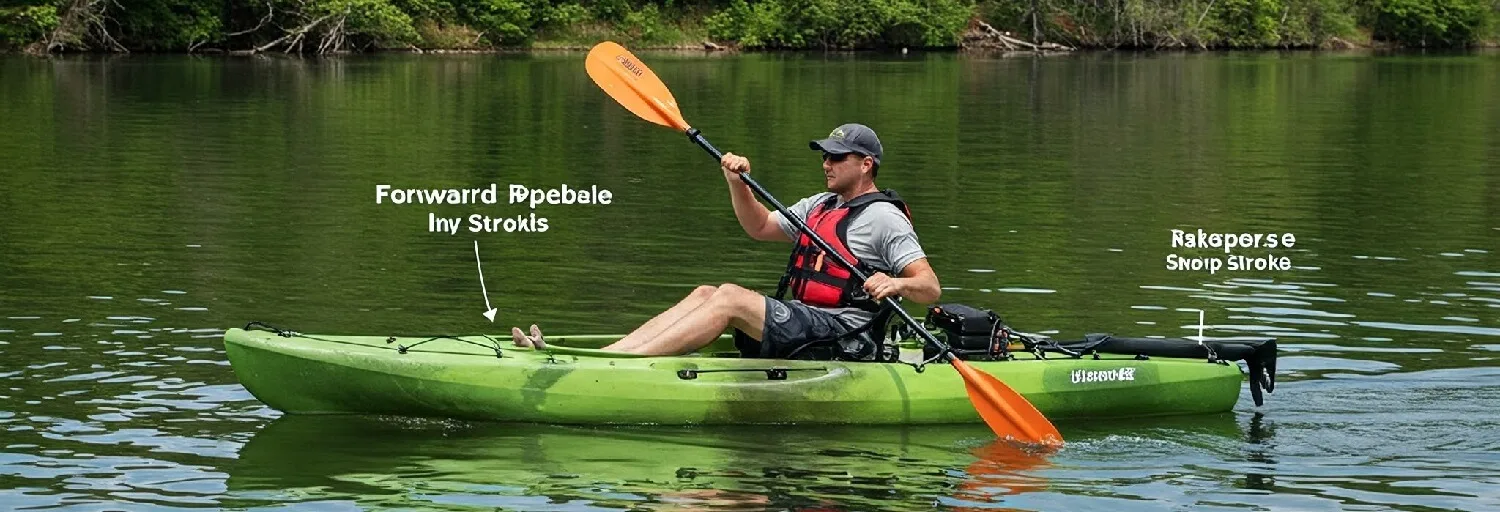
When we practice fishing as a passion, we know that the long moments of waiting are often followed by the excitement of a fish striking the bait. During those critical moments, staying calm is one of the most valuable skills an angler can develop. Whether you’re fishing from shore, a kayak, or a boat, keeping your composure helps you make better decisions and increases your chances of landing the fish successfully.
Fishing trips at sea can be even more demanding, as changing tides, currents, and larger fish require greater focus and technique. Regardless of where you fish, patience and confidence are just as important as choosing the right lure or bait.
So how do you stay calm when a fish is on the line?
Focus on maintaining steady pressure rather than trying to reel the fish in as quickly as possible. Let your rod and reel’s drag system absorb sudden runs, avoid jerking the rod, and guide the fish patiently until it’s ready to be landed. Pairing your setup with a quality monofilament fishing line can also help absorb sudden shock and reduce the risk of losing fish during the fight.
Staying calm during a fight helps prevent pulled hooks, broken fishing line, and poor landing decisions that can cost you a memorable catch.
Pro Tip: Before every trip, check that your reel’s drag is properly adjusted. A well-set drag reduces the risk of line breakage and gives you better control when fighting larger fish.
4. Become (a little) Geeky
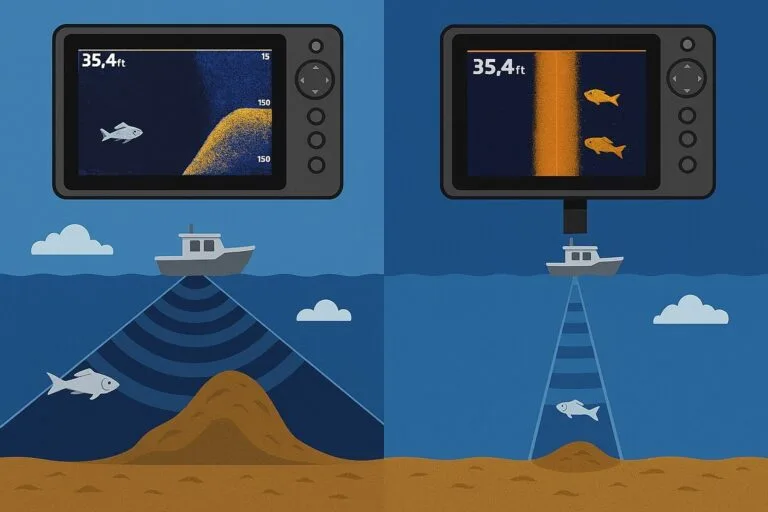
Purist fishermen will tell you that you don’t need high-tech equipment to fish well. This remains true, but we must admit that the latest electronic fishing equipment now has its place for anglers who wish to go a little further. Fish finders can be difficult to learn at times, especially those who are unfamiliar with the latest electronic gadgets. So, to get the most out of new fishing tools, we advise you to learn about high-tech equipment.
Start by wearing a GPS tracking tool or a state-of-the-art Garmin smartwatch to familiarize yourself with satellite positioning. If you’re fishing from a kayak or small boat, it’s equally important to protect your electronics, phone, and spare gear with right dry bags for kayaking, especially when fishing in rough conditions or unexpected rain.
Once you are familiar with this technology, you can read our guide on the best budget fish finders to make your choice with full knowledge of the facts!
Pro Tip: Electronics help locate structure and fish, but they work best when combined with local knowledge and observation of baitfish activity.
Common Mistakes New Anglers Make
Even with quality gear, small mistakes can significantly reduce your chances of success. Avoiding these common errors will help you fish more effectively and build better habits on the water.
- Changing lures too frequently: Give each lure enough time to work before switching. Fish may need multiple presentations before they strike.
- Ignoring wind direction: Wind often pushes baitfish toward certain areas, making those locations more attractive to predatory fish.
- Fishing only during the hottest part of the day: Many species are most active during early morning, late evening, or overcast conditions when water temperatures are cooler.
- Using hooks that are too large: Oversized hooks can reduce natural bait presentation and lower your hook-up rate. Match your hook size to the target species and bait.
- Forgetting to sharpen hooks: Even premium hooks become dull after repeated use. A sharp hook penetrates more easily and improves landing success. Keeping your tackle organized also matters. Carrying a reliable pair of fishing line cutters makes it easier to trim knots cleanly, replace damaged line, and quickly re-rig when conditions change.
- Making excessive noise near the water: Heavy footsteps, loud conversations, and banging equipment can spook fish, especially in shallow, clear water.
- Overlooking local regulations: Always check fishing seasons, size limits, and catch limits before heading out to help protect fish populations and avoid fines.
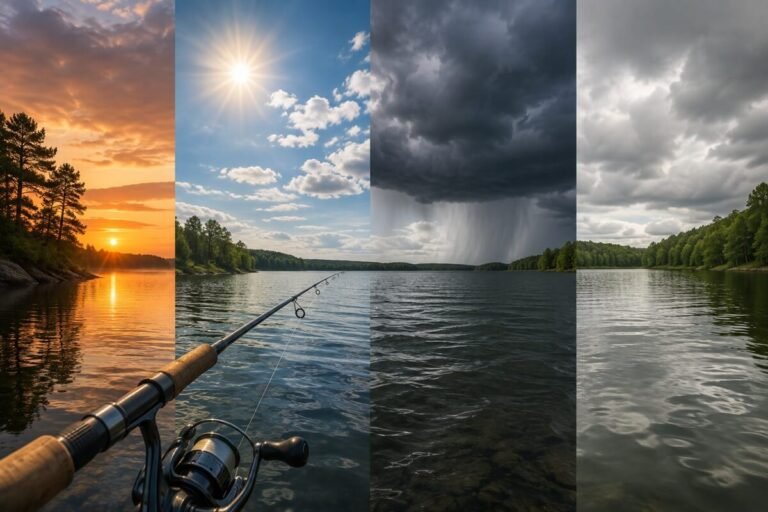
- Not paying attention to weather and water conditions: Changes in water temperature, current, and barometric pressure can influence fish behavior. Planning your trip around these conditions often leads to better results.
“Responsible anglers also practice ethical fishing by following local regulations, respecting catch limits, properly handling fish intended for release, and leaving fishing areas cleaner than they found them.”
Conclusion
In summary, being a skilled angler goes beyond simply wielding a fishing rod. To truly excel, an angler must cultivate patience, sharpen their mental focus, and embrace modern tools and technologies that offer valuable insights and strategies. These details together can make a substantial difference in achieving better catches.
Improving your fishing skills is a continuous process of learning, observing, and adapting. Whether you’re targeting bass, trout, catfish, or saltwater species, developing patience, understanding fish behavior, tracking successful patterns, and using the right equipment will consistently improve your results over time.
Frequently Asked Questions (FAQs):
What type of fishing gear is essential for beginners?
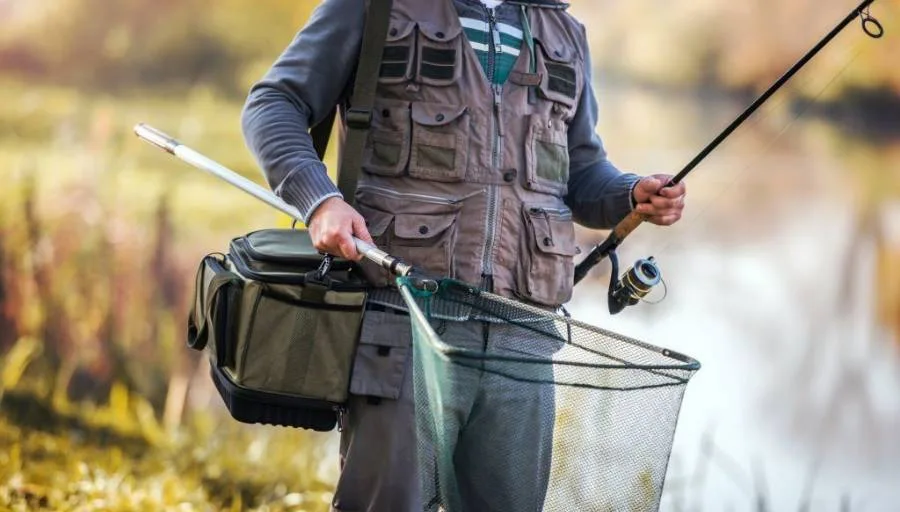
For beginners, a basic spinning rod and reel combo is ideal. Make sure to choose a rod that suits the type of fishing you plan to do (e.g., freshwater or saltwater). Additionally, invest in a variety of hooks, sinkers, and a tackle box to organize your gear.
How can I improve my casting accuracy?
Practice is key. Spend time in an open area, like a backyard or a park, and practice your casting technique. Focus on smooth and controlled movements. Also, consider using targets, like hula hoops or markers, to improve accuracy.
What is the significance of understanding fish behavior?
Understanding fish behavior is crucial for successful fishing. Learn about the habits, preferred habitats, and feeding patterns of the fish you’re targeting. This knowledge helps you choose the right lures, bait, and fishing locations.
How can I choose the right bait for different fish species?
Research the specific species you want to catch. Different fish have different preferences. Live bait, artificial lures, or even flies might be more effective for certain species. Experimentation and local knowledge play a significant role in bait selection.
What role does weather play in fishing success?
Weather conditions strongly influence fish activity. Generally, overcast days or low light conditions can be more favorable. Fish are often more active during dawn and dusk. Pay attention to temperature changes, wind patterns, and barometric pressure for better fishing predictions.
How can I learn more about local fishing regulations?
Visit the official website of your local fisheries or wildlife management agency. They commonly provide detailed information on fishing regulations, including size limits, catch limits, and specific rules for different bodies of water.
How can I stay safe while fishing?
Always wear a life jacket when fishing from a boat. Be cautious of slippery surfaces and strong currents. Let someone know your fishing plans, and carry essential safety gear, such as a first aid kit. Stay informed about the weather forecast to avoid unexpected dangers.