Tips for Fishing in the Rain (Expert Tips for Catch More Fish)

Fishing in the rain can be one of the best times to catch fish—if you know how changing weather affects their behavior. Light rain often increases oxygen levels, reduces visibility, and encourages many species to feed more aggressively. However, heavy rain, strong winds, and muddy water can make fishing much more challenging.
In this guide, you’ll learn when fishing in the rain is most productive, how different weather conditions affect fish, the best gear and lures to use, and practical tips to help you stay safe while catching more fish.
Quick Answer
Fishing in the rain is often excellent during light, steady rainfall because increased oxygen levels, lower light conditions, and falling barometric pressure can make many fish species feed more actively. Heavy rain, muddy water, and thunderstorms, however, can reduce fishing success and create dangerous conditions.
Why Do Some Fish Bite Well in the Rain?
The keen fishermen know that it is possible to have a good hit on the water in rainy weather. With proper preparation, fishing can be better than in calm weather. First of all, the catch depends on how turbid the water is. The correct sign of an excellent bite is slightly discolored water that is not as transparent. But if the water is too murky, you can, unfortunately, forget about the catch.
Just before bad rainy weather, the fish start to bite particularly well. This is the result of the drop in atmospheric pressure. The fish gets very hungry and moves closer to the surface. It searches for food and is lured with artificial or natural bait. In the period before the rain, the bite is more active than in the rain and after.
Rain can change the weather conditions. You can notice the following changes:
- Increased oxygen concentration in the water, which is beneficial for anglers in the summer heat;
- Formation of waves, which ensures the food from the lower layers of the fish;
- Turbidity in the water can increase or decrease the intensity of the bite.
A good angler should look for profits even in bad weather conditions. Not all of his peers can choose to fish in the rain. That’s why you can just look for a place for rain fishing without competitors. It is recommended to choose special equipment and clothes for it.
When Is the Best Time to Fish Around Rain?
Many anglers assume that fishing is equally productive before, during, and after rainfall, but fish activity often changes throughout the weather cycle. Understanding these changes can help you decide when to head to the water instead of relying on luck.
Before the Rain
The hours before a rainstorm are often among the most productive. As barometric pressure begins to fall, many freshwater species become more active and feed aggressively. Bass, pike, walleye, and panfish frequently move into shallower water in search of easy prey before the weather changes.
If dark clouds are building but lightning has not started, this can be an excellent opportunity to fish moving baits such as spinnerbaits, crankbaits, or swimbaits.
During Light Rain
Light, steady rain can create ideal fishing conditions. Rain increases oxygen levels near the surface, reduces light penetration, and washes insects and other food into the water. These conditions often encourage fish to leave cover and feed more confidently. Look for productive areas such as:
- Creek and stream inflows
- Weed edges
- Shorelines with gentle runoff
- Points exposed to a light wind
After the Rain
Fishing can remain productive after the rain stops, especially if the water has not become excessively muddy. Newly flooded banks and runoff areas often attract baitfish, which in turn attract larger predators. However, if heavy rainfall causes fast currents or extremely muddy water, fish may become less active until conditions stabilize.
Avoid Fishing During Thunderstorms
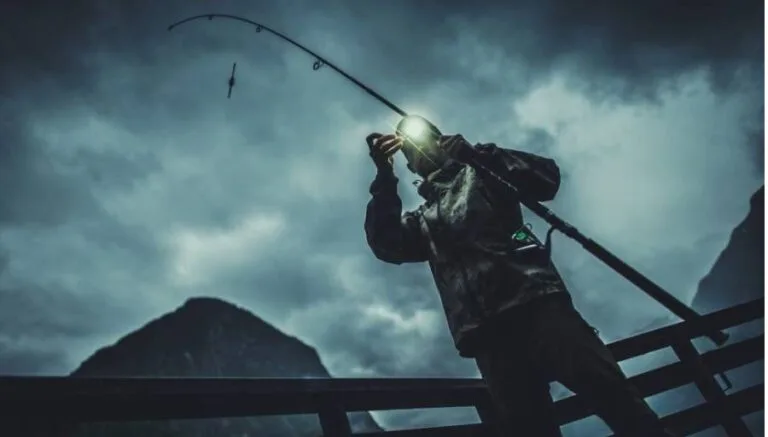
Although the rain itself can improve fishing, thunderstorms are a different story. Lightning is extremely dangerous on open water, near metal fishing rods, and in boats. If you hear thunder or see lightning, leave the water immediately and wait until the storm has completely passed before returning.
The Effective Equipment for Rain Fishing
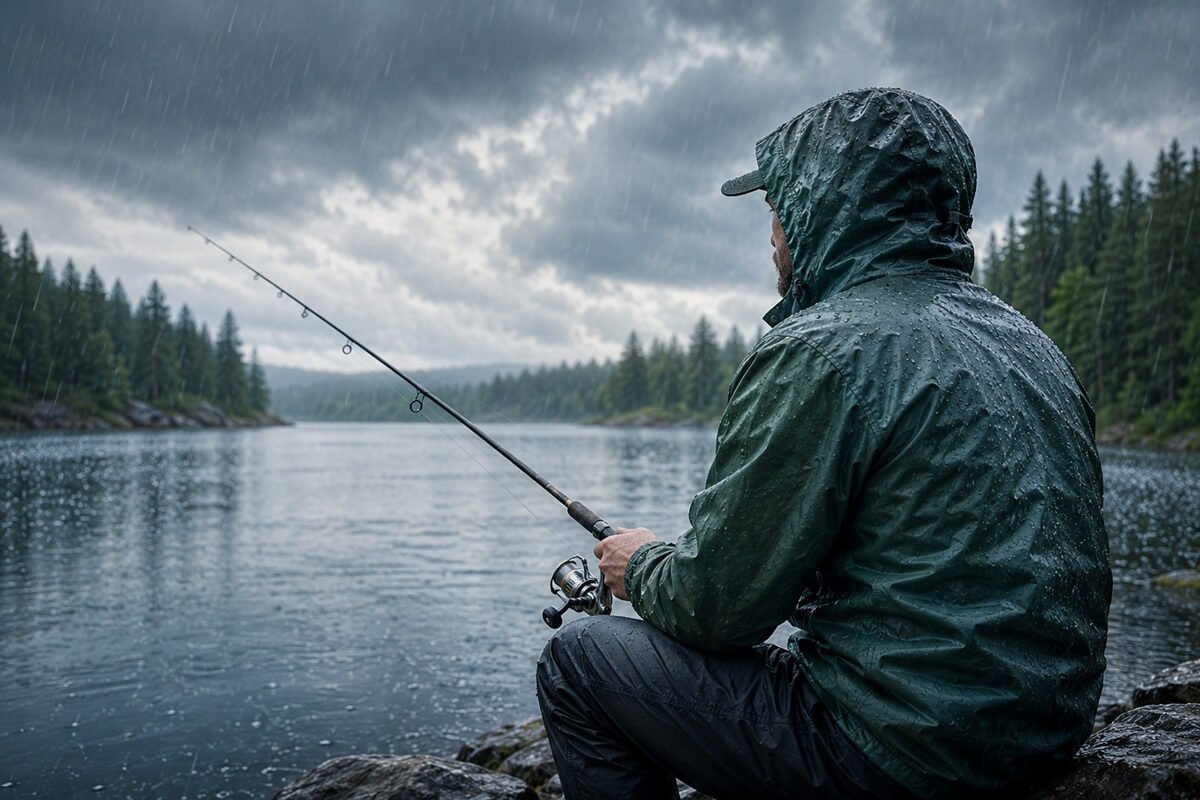
When it comes to non-permanent rain, the only way to be sure is by wearing appropriate clothing. You don’t need any special equipment, and you can just fish without any problems. Fishing should be postponed when prolonged heavy rains are expected.
If the rain is of low intensity, it cannot negatively affect the success of fishing. However, every fisherman should take the following essentials with him:
- Waterproof clothing: This is a special coat or waterproof suit that is specially produced for fishing or hunting in adverse conditions.
- Rubber boots: When fishing in the rain, the angler can definitely step into the water.
- Spare clothing: A change of clothes and shoes is a must, even if you are adequately protected from the rain.
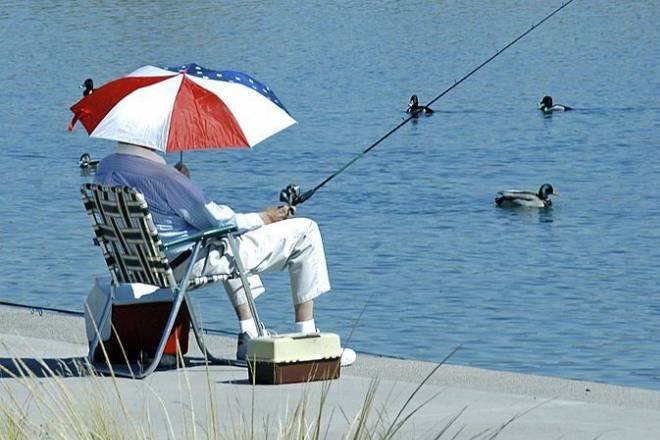
- Umbrella: There are special large umbrellas for fishing. They are fixed to the floor and leave your hands free.
- Thermal container with hot drink or soup: The angler should use it to prevent colds to be able to fish continuously.
This equipment is easily available in all fishing shops. Therefore, there is no problem in choosing them according to the appropriate size and good quality. If you plan to fish continuously for a few days, you should also purchase special fishing mats and tents. It is recommended to take a waterproof sleeping bag with you.
“Keeping your gear organized is just as important as staying dry. A waterproof fishing backpack protects your tackle, extra clothing, electronics, and other essentials.”
Important Factors in Successful Rain Fishing
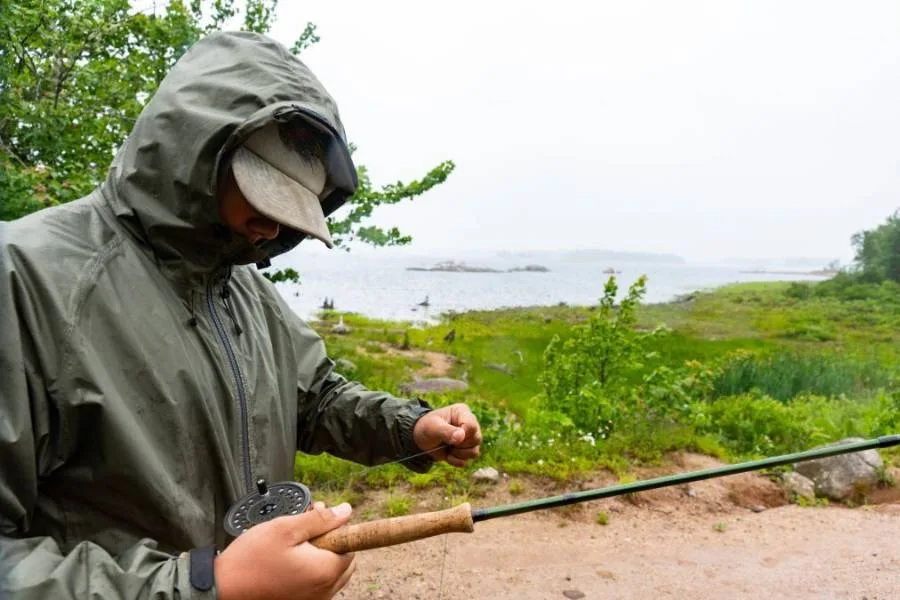
If the water gets cloudy while fishing in the rain, it’s normal. If the turbidity of the water is low, then the bite will be better than in clear water. Excessive turbidity negatively affects the bite and anglers very often return without a catch.
Fishing location
The choice of fishing spot is important. A lot depends on how big and deep the body of water is. Small ponds and muddy streams, under the influence of rainwater, immediately become cloudy and can become transparent only after a few days. It would be better to choose a natural lake or a deep reservoir if the rainy weather is forecast.
Air Temperature and Wind
The strong wind when fishing in the rain is also a negative factor. It is impossible to make firm casts; fish do not like to feed on the water’s surface. Nevertheless, you can try bottom fishing.
The wind direction and the temperature of the rain are important factors when fishing. During several summer bass trips after afternoon thunderstorms, we consistently noticed fish moving into shallow weed edges where oxygen-rich runoff entered the lake. Spinnerbaits and chatterbaits produced noticeably more strikes than soft plastics.
When the temperature drops and the east and north winds blow, the fish goes down where it feels more stable and warmer. The angler should make a correct conclusion. If the weather is too windy and the rain is cold and heavy, you cannot achieve success in fishing.
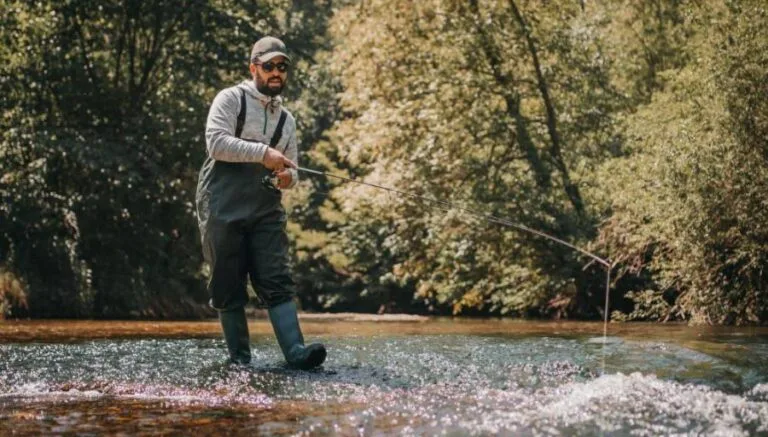
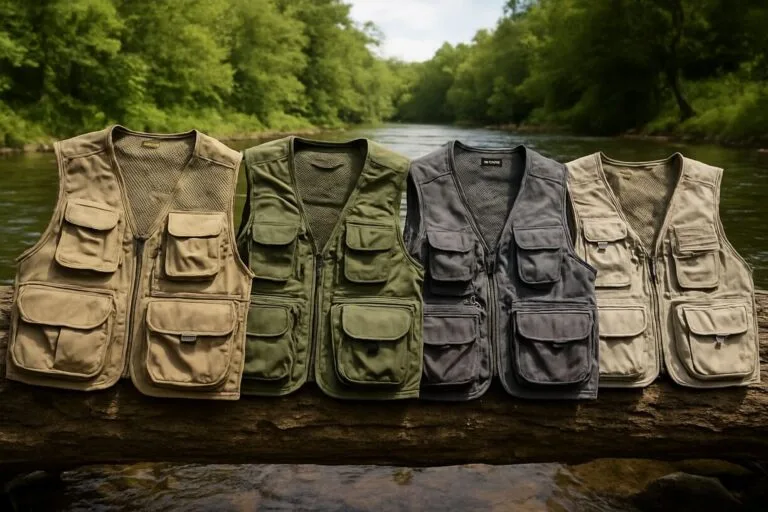
If you’re wading rivers or small streams, a fly fishing vest is another excellent option. It keeps your flies, leaders, tippet, and essential tools within easy reach.
Some Important Peculiarities of Rain Fishing
When fishing in the rain, the number of false bites is low. It is already known that fish are active and mobile. They grab any bait they see and try to swallow it whole. The large specimens of pike and bream are caught. A particularly active bite can be observed at the inflow of water. Wave height also plays an important role when fishing in the rain. If the waves are too big, it is difficult for fish in the depths to attack the bait, so the bite loses intensity.
The pros say it’s better to fish in warm weather. Dusty rain and light wind create the best conditions. In the fall, in cold weather, the carp bury themselves in warm mud, but the pikes and perches on the contrary begin their hunt. Fish in the rain requires fast and aggressive bait handling. It is provoked by noise in the environment and limited visibility. Since the fish show excellent activity on the surface, it is necessary to raise the bait to the upper layer of the water.
Experienced fishermen also noticed that if it was very hot outside before the rain, the fish started biting with the first raindrops. Due to the oxygen enrichment and lowering of the water temperature in the body of water, the fish bite more actively. Throwing the bait far and deep is not recommended. Because the fish that live on the bottom rise higher in rainy weather. Therefore, it is recommended to focus on fishing in the upper water layer.
The Choice of Rods and Lures for Rain Fishing
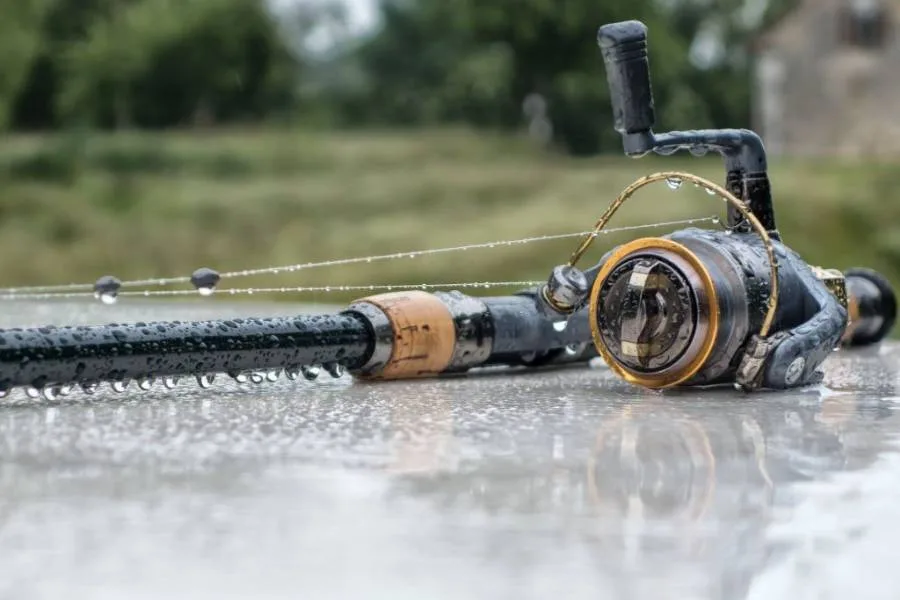
When chasing a predator, it is worth using noisy and brighter lures during the rain. The acoustic blinkers and other brightly colored rubber fish are suitable for this. In bad weather, the purity of the water deteriorates, and the fish may simply not notice the bait in the water. Of course, the choice of bait depends on the fish you want to catch. Nevertheless, one should prefer the colorful and bright variants.
Since fish are active and hungry in rainy weather, natural bait can be used to catch predators. With this, you can get better bites and catches. This allows you to achieve an even and graduated bait guidance. The choice of rods, lines, and spinning reels depends on the fish you are targeting. A smooth reel with a reliable drag system helps maintain better control when fighting fish in rainy and windy conditions.
However, you should also take into account the weather conditions when it rains. Fishing from the shore cannot be perspective, especially when there are high waves. The situation can be further complicated, and it is difficult to make a good throw in strong headwinds or crosswinds. The pose becomes too agile, and the angler gets the wrong bite signals.
These facts show that passive spinning from the bank can only be effective if it is ensured at the appropriate distance when casting. In such conditions, bottom fishing and the appropriate equipment – feeder rods and bottom rods of all varieties – are optimal. Passive fishing at a distance of 20 to 30 m meets the angler’s expectations.
FAQs: Expert Tips About Fishing in the Rain
Can you catch bass in the rain?
Yes. Bass become more active during light rain because lower light levels and increased oxygen encourage them to feed. Focus on shallow cover, weed edges, docks, and creek mouths where baitfish gather after rainfall.
Should you use different lure colors when fishing in the rain?
Bright colors such as chartreuse, white, orange, and firetiger are easier for fish to see in stained water. In lightly stained water, natural colors can still produce excellent results.
Is rain fishing better in lakes or rivers?
Both can be productive, but each requires a different approach. Lakes often fish best around points, weed beds, and inflows, on the other hand rivers can become difficult to fish if heavy rain creates strong currents or excessive debris.
What fishing line works best in rainy conditions?
Braided line is a popular choice because it has excellent sensitivity and maintains its strength even when wet. Pairing braid with a fluorocarbon leader can improve lure presentation in clearer water.
Can fish still bite after heavy rain?
Yes, but success depends on water clarity. If the water remains only slightly stained, fish may continue feeding actively. Extremely muddy water usually reduces visibility and makes fish harder to locate until conditions improve.
Is it safe to fish in the rain?
Fishing in light rain is generally safe with proper waterproof clothing. However, you should leave the water immediately if lightning or thunder is present, as fishing rods can increase the risk of lightning strikes.
Conclusion
Fishing in the rain can be one of the most productive times to catch fish when conditions are right. Light rain, falling barometric pressure, and oxygen-rich water often encourage fish to feed more actively. Focus on inflows and shallow feeding areas, use brighter lures in stained water, and always put safety first by avoiding thunderstorms. With the right gear and strategy, a rainy day can turn into one of your most successful fishing trips.