How to Stay Warm While Hunting: The Complete Cold-Weather Guide

Do you want to learn the techniques of how to stay warm while hunting? Well, the United States should continue to experience a cold spell this winter during the months of January and February. When on Saturday morning you are about to return to your post in the forest and it is barely 0 degrees, it is important not to forget some precious clothes at home.
The best weapon against the cold is insulation. Do not hesitate to combine different textiles that have complementary properties in order to create good thermal insulation. The 3-layer system is the best known and is very effective. But we must not forget the extremities of the body, namely the feet, hands and head. In this guide, we’re going to learn how to stay warm while hunting, especially in winter.
Quick Tips to Stay Warm While Hunting
If you’re looking for the fastest way to stay warm during a hunt, focus on these proven habits before heading into the field:
- Dress in three breathable layers instead of one bulky coat.
- Avoid overheating on the hike in by carrying your outer jacket until you reach your hunting spot.
- Choose insulated, waterproof boots with moisture-wicking socks to keep your feet dry.
- Wear insulated gloves and keep an extra dry pair in your backpack.
- Cover your head, neck, and ears to reduce heat loss in freezing temperatures.
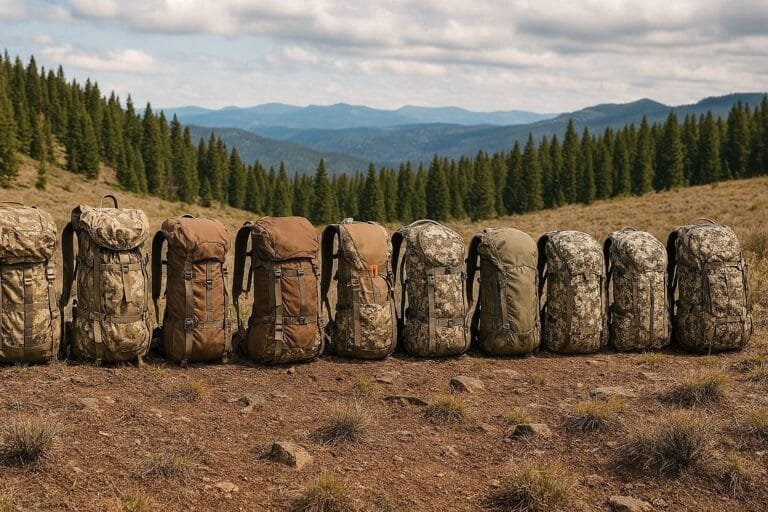
- Pack disposable hand and toe warmers for long periods of sitting.
- Eat high-energy snacks throughout the day to help your body generate heat.
- Drink water regularly, as dehydration can make you feel colder.
- Stay out of the wind whenever possible by using natural cover or a hunting blind.
- Replace any damp clothing as soon as possible to maintain body warmth.
Following these simple habits can help you stay comfortable, maintain focus, and hunt safely even during long hours in cold weather.
The Effect of Cold on the Body
Some people react better to the effects of cold than others. But humans are warm-blooded mammals. Our optimum body temperature is around 37°C. In a cold environment, if we don’t wear the right pieces of clothing, our body will naturally try to prevent the body temperature from dropping. Higher blood circulation in the vital organs at the expense of the limbs and other extremities of the body. The appearance of spasms, tremors, and other mechanisms allows a little heat to be generated.
PProlonged exposure to cold can increase the risk of hypothermia and other cold-related illnesses if appropriate precautions aren’t taken. The CDC’s guide to cold stress provides additional information on recognizing symptoms and preventing cold-related injuries.
This can even lead to loss of consciousness, damage to the skin, muscles or bones, or even cardiac arrest. On the one hand, winter hunting is mainly aimed at people in good physical condition. Even for a healthy person, it is necessary to be well-equipped to stay warm.
Cold Can be Unfavorable During Winter Hunting
Hunting is an activity that requires various qualities. Among these is patience. Indeed, if some hunters practice the beat, others will move towards discretion and remain on the lookout. Staying motionless for a long time in the cold is very complicated.

This low temperature does not work in favor of the hunter. Lack of lucidity, fatigue, and muscular rigidity can alter the precision of those who pursue or who are on the lookout for their game. Added to this, there are the effects of the cold on equipment such as firearms. Hunting accidents can then quickly occur.
To maintain his full capacity, remain efficient, and be able to manage the different situations, you will have to deal with in your activity. Thunter must not neglect warm and/or heated clothing.
How to Stay Warm While Hunting – 3-Layer System
How to dress for the winter hunt? And how to combine comfort and practicality? This is what we will see in this part.
The First Layer Has the Role of Evacuating Perspiration
Evacuating perspiration is essential in managing the cold. In case of effort, this allows you to stay dry and therefore warm. If you think you don’t have much effort to make during your hunt, you can make do with warm underwear, with a brushed component or fleece.
In case of perspiration, merino is an ideal component: made of fine wool that does not itch, it provides warmth but its fibers are hydrophilic and therefore retain moisture without releasing it. There is no feeling of freshness or humidity thanks to the breathability. A long-sleeved garment can be completely adapted to your practice if you do not wish to wear wool.
The Second Layer Will Bring the Heat
First of all, you have to think about the weather conditions and the level of effort you plan to make during your hunt. In case of unstable weather or if you do not know the exact walking pace, consider taking spares in your bag. Sweaters, fleece, and down jackets are the most suitable clothes for this second layer. Don’t forget to think about the ventilation and breathability of the clothes.
If you sweat, you risk feeling a permanent cold. Vents such as the zippers in the neck provide good ventilation during exercise. A down jacket or sleeveless quilted cardigan is also a good compromise between warmth and comfort in movement.
The Third Layer and the One That Will Protect You from the Outside Elements
Rain, wind, aggressive vegetation, snow… it must technically correspond to your practice: need for visibility with PPE, camouflage or resistance. 3-in-1 jackets can perform the function of the second and third layers and can allow you to adapt easily to the effort or the weather conditions.
Avoid Sweating to Stay Warm
One of the biggest mistakes hunters make in cold weather is dressing too warmly before they start walking. While it may feel comfortable at first, overheating causes your body to sweat, and damp clothing can quickly make you feel much colder once you stop moving or settle into your hunting spot.
Start your hike slightly cool rather than overly warm. As your body begins to generate heat, you’ll stay comfortable without soaking your base layers. If you feel yourself getting too warm, unzip your jacket or open ventilation zippers to improve airflow instead of waiting until you’re already sweating.
Whenever possible, adjust your clothing to match your activity level. You may only need lightweight insulation while hiking but require additional layers once you reach your stand or blind. This simple habit helps keep your clothing dry and your body temperature more stable throughout the hunt.
If your gloves or socks become damp from sweat or melting snow, replace them with a dry pair as soon as possible. Keeping moisture away from your skin is one of the most effective ways to stay warm during extended hunting trips in freezing conditions.
Stay Warm in a Tree Stand During Long Hunts
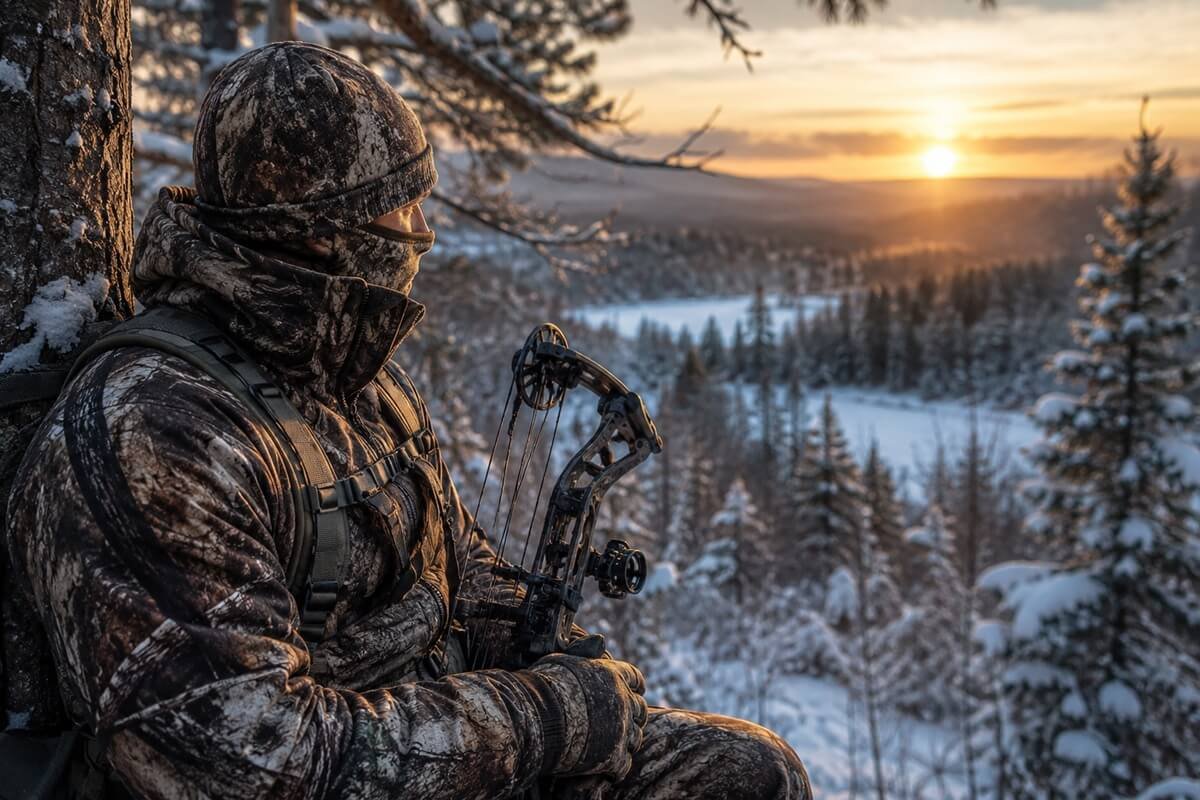
Spending several hours in a tree stand can make you feel colder than an active hunt because your body generates less heat when you remain still. Instead of relying on extra layers alone, focus on managing your body temperature throughout the day.
Avoid wearing your heaviest insulated jacket while walking to your stand, as overheating can lead to sweat that cools your body once you stop moving. Carry bulky outer layers in your backpack and put them on after you’ve settled into your stand.
Wind can quickly strip away body heat, especially when hunting from an elevated position. A windproof outer shell helps block cold gusts without adding excessive bulk. If your feet rest on a metal platform, use an insulated seat cushion or foot pad to reduce heat loss through direct contact with cold surfaces.
Keep a few chemical hand warmers in your jacket pockets and use them only when needed to extend their warmth throughout the hunt. It’s also a good idea to pack an extra pair of gloves and socks in case your first pair becomes damp from snow or perspiration.
Finally, make small movements every 20 to 30 minutes, such as flexing your fingers and toes or gently rotating your ankles. These subtle movements improve circulation without creating enough motion to alert nearby game, helping you stay warm and comfortable during long hours in the stand.
Smart Habits That Help You Stay Warm All Day
Staying warm isn’t just about wearing the right clothing. A few simple habits throughout the day can make a noticeable difference during long hours in the field.
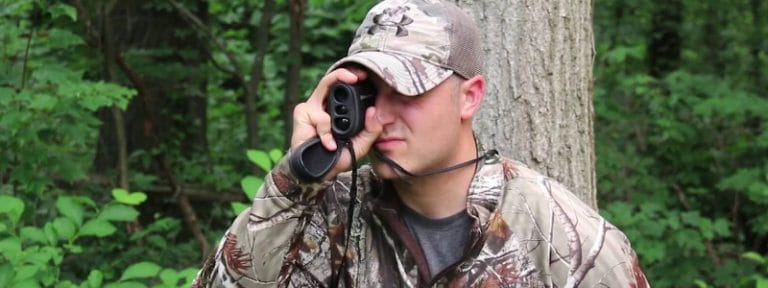
Before leaving your vehicle, take a few minutes to organize your gear so you don’t have to stand in the cold searching through your backpack. Keep frequently used items, such as binoculars, rangefinders, calls, and snacks, within easy reach to reduce unnecessary exposure to freezing temperatures.
Whenever you take a short break, check your gloves and socks for moisture. Even small amounts of dampness from snow, wet vegetation, or perspiration can reduce insulation over time. Replacing wet items early is much easier than trying to warm up after you’ve become chilled.
It’s also helpful to carry a lightweight emergency blanket or insulated seat pad. These items take up very little space but can provide extra protection if the weather changes unexpectedly or you’re forced to remain in one location longer than planned.
Finally, pay attention to weather changes throughout the day. A sudden increase in wind or falling temperatures may require adding an extra layer before you begin to feel cold. Staying ahead of changing conditions is often more effective than trying to warm up after your body has already lost heat.
Common Mistakes That Make Hunters Cold
Even with quality cold-weather gear, a few simple mistakes can leave you feeling uncomfortable long before your hunt is over. Avoiding these common errors can help you stay warmer and spend more time in the field.
Waiting Until You’re Cold to Add Layers
Many hunters wait until they start shivering before putting on additional insulation. By that point, your body has already lost valuable heat, making it much harder to warm up. Add or remove layers as weather conditions and your activity level change instead of reacting after you feel cold.
Underestimating Wind Chill
The air temperature doesn’t tell the whole story. A steady wind can make moderate winter conditions feel much colder, especially in open fields, elevated tree stands, or along ridgelines. Always check the wind chill forecast before choosing your hunting clothing.
Spending Too Long Without Moving
Remaining completely motionless for hours can reduce circulation and make your body feel colder over time. When it’s safe to do so, make small, quiet movements with your hands, feet, and legs to encourage blood flow without disturbing nearby game.
Forgetting a Backup Plan
Unexpected weather changes, longer tracking sessions, or equipment delays can keep you outdoors much longer than planned. Carrying a few emergency essentials, such as a lightweight blanket, fire starter, flashlight, and extra batteries, can make a significant difference if conditions deteriorate.
Ignoring the Forecast
Winter weather can change rapidly. Snow, freezing rain, or sudden temperature drops can turn a comfortable hunt into a dangerous one. Checking the forecast before leaving home allows you to prepare with the right clothing, gear, and emergency supplies.
Protection of the Extremities: Head, Hands & Feet
Do not forget to equip them warmly. Also, remember to move your fingers and toes regularly to circulate the blood and not make them numb. To protect your feet well from the cold, don’t hesitate to put on thick socks, sometimes several pairs. Use heated socks or tights or opt for lined shoes or boots.
Other tips: you can put essential oils on your feet, put polystyrene in your shoes, or put your feet in cardboard. Even further in technology this time, the “warm series” connected heated insoles are very effective.
These are thermal insoles, rechargeable, and directly connected to a mobile application. Using this tool, you can adjust the heating temperature of your soles from 20 to 45°C and have access to the details of your route via your GPS data. In addition, they are light, thin, and comfortable soles.
For the head, beanies are more effective than caps because they are warmer and cover the ears. Also, cover your neck and face with a balaclava or a neck warmer for even more warmth.
Frequently Asked Questions
Can you use disposable hand warmers more than once?
No. Disposable hand warmers are designed for a single use and stop producing heat once the chemical reaction is complete. If you hunt regularly, rechargeable electric hand warmers may be a more cost-effective option.
How long can you safely hunt in below-freezing temperatures?
There isn’t a fixed time limit because it depends on the temperature, wind chill, clothing, and your physical condition. If you notice numbness, uncontrolled shivering, confusion, or loss of coordination, end the hunt immediately and warm up in a safe place.
Should you wear heated clothing while hunting?
Heated jackets, vests, gloves, and socks can improve comfort during long periods of sitting in cold weather. However, they should supplement proper layering rather than replace it. Always carry spare batteries if you’ll be hunting all day.
What should you pack for an all-day winter hunt?
In addition to your hunting gear, consider packing spare gloves, dry socks, hand warmers, extra snacks, drinking water, a headlamp, a small first-aid kit, and an emergency blanket. These essentials can help you stay comfortable if conditions change unexpectedly.
Does age affect how well you tolerate cold while hunting?
Yes. Older hunters and people with circulation issues often lose body heat more quickly than younger, active hunters. They may benefit from taking more frequent warming breaks and wearing additional insulation during long hunts.
When should you stop hunting because of the cold?
If weather conditions become unsafe due to extreme wind chill, heavy snow, freezing rain, or signs of hypothermia or frostbite, it’s best to end the hunt. No hunting trip is worth risking your health or safety.
Conclusion
Staying warm while hunting starts with proper layering, moisture management, and protecting your hands, feet, and head. Avoid sweating during the hike in, fuel your body with high-energy snacks, and carry extra dry gloves and socks. With the right preparation, you can stay comfortable, focused, and safe throughout even the coldest hunting days.
If you’re upgrading your winter hunting gear, explore the best hunting boots, best hunting socks, and best hunting gaiters can help you choose equipment that keeps you warm throughout the season.