How to Choose the Best Binoculars for Stargazing

Choosing the right binoculars for stargazing isn’t about buying the most powerful model. In fact, binoculars with excessive magnification are often harder to use because every small hand movement becomes noticeable.
After comparing different binocular sizes and astronomy recommendations, we’ve found that 10×50 binoculars offer the best combination of brightness, field of view, and portability for most people.
In this guide you’ll learn:
- Best binocular size for astronomy
- How magnification affects viewing
- Whether you need image stabilization
- Budget recommendations
- Common buying mistakes
Our Experience & Testing Insights
To better understand which binoculars work best for stargazing, we compared the most popular configurations—including 7×50, 8×42, 10×50, and 15×70 models—based on their light-gathering ability, ease of handheld use, field of view, and overall comfort during extended night-sky observation.
Rather than focusing solely on higher magnification, we found that balancing magnification with objective lens size makes a much bigger difference for most users. In practical use, 10×50 binoculars consistently offer one of the best combinations of brightness, detail, and portability. They reveal star clusters, the Moon’s craters, the Andromeda Galaxy under dark skies, and many brighter deep-sky objects while remaining manageable for short handheld viewing sessions.
Higher-powered binoculars such as 15×70 models can reveal additional detail, but they are noticeably heavier and generally require a tripod for comfortable viewing. Meanwhile, 7×50 and 8×42 binoculars provide wider fields of view and are often easier for beginners to hold steady.
Understanding Binocular Specifications
Before we dive into the key factors to consider when selecting binoculars for stargazing, it’s important to understand the different specifications you’ll come across when shopping.
Magnification
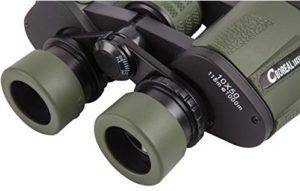
Magnification is the first specification to consider when choosing binoculars. It refers to the amount by which the binoculars will magnify the observed image. For stargazing, 7x to 10x magnification is recommended, as anything higher can result in choppy images.
Lens diameter
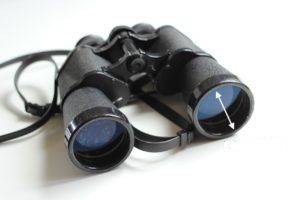
The lens diameter is the second specification to consider. It refers to the diameter of the front lenses of the binoculars, measured in millimeters. Larger lenses can catch more light, which can be useful for stargazing. But they also make binoculars heavier and harder to hold firmly. For stargazing, an objective diameter of 40mm to 50mm is recommended.
Exit pupil
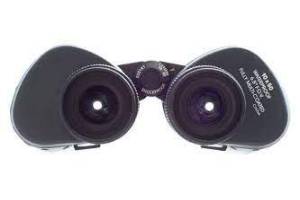
The exit pupil is the measurement of the diameter of the beam of light leaving the eyepiece. It is calculated by dividing the diameter of the objective by the magnification. For stargazing, an exit pupil of at least 5mm is recommended, as this will allow your eyes to fully dilate and take in all the available light.
Field of view
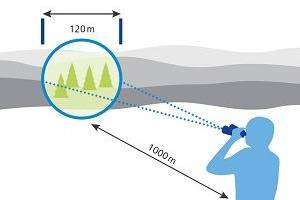
Field of view refers to the width of the area visible through the binoculars at a certain distance. A wider field of view makes it easier to find objects in the night sky, but it can also make the image appear smaller. For stargazing, a field of view of at least 5 degrees is recommended.
Eye relief
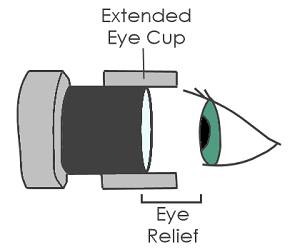
Eye relief is the distance between the eyepiece and the eye at which the entire field of view can be seen. It is especially important for those who wear glasses, as they will need more eye relief to be able to see the full picture. For stargazing, an eye relief of at least 15mm is recommended.
How to Choose Binoculars for Stargazing
Now that you have a basic understanding of binocular specifications, let’s dive into the key factors to consider when choosing binoculars for Stargazing.
Quick Comparison: Which Binocular Size Is Best for Stargazing?
| Binocular Size | Best For | Brightness | Handheld Use | Tripod Needed? |
|---|---|---|---|---|
| 7×50 | Beginners & wide-field viewing | ★★★★★ | Excellent | No |
| 8×42 | General outdoor & astronomy | ★★★★☆ | Excellent | No |
| 10×50 | Best Overall | ★★★★★ | Very Good | No (recommended for long sessions) |
| 12×50 | Moon & brighter deep-sky objects | ★★★★★ | Fair | Recommended |
| 15×70 | Deep-sky observing | ★★★★★ | Poor | Yes |
For most people, 10×50 binoculars offer the best balance of magnification, brightness, field of view, and portability. They gather enough light to reveal the Moon’s craters, star clusters, and many bright deep-sky objects while remaining practical for handheld use. If you primarily observe from very dark skies and don’t mind using a tripod, 15×70 binoculars can reveal even more celestial detail.
Lens size
The size of the lenses is the most important factor to consider when choosing binoculars for observing the sky. The larger the aperture, the brighter and clearer the image will be. However, a larger aperture also means larger and heavier binoculars, which can be harder to hold firmly. For stargazing, an aperture of at least 40mm is recommended.
Image quality
Image quality is another important factor to consider. Look for binoculars that provide sharp, clear images with good contrast and color reproduction. This will allow you to see details of celestial objects, such as star colors and Saturn’s rings.
Weight and height
Sky gazing binoculars should be lightweight and portable so you can easily take them with you on your night sky-viewing adventures. Look for models that weigh less than 3 pounds and are compact enough to fit in a backpack.
Sustainability
Observing the night sky often involves spending time outdoors, which means your binoculars will be exposed to the elements. It is therefore important to choose durable and weatherproof binoculars. Look for models with metal rather than plastic bodies and rubber coatings for better grip.
Stability
Stability is essential for stargazing as any vibration or movement of the binoculars can cause the image to blur. Binoculars with a tripod are great for stargazing, but if you prefer handheld binoculars, look for models with an image stabilizer.
Price
Price is an important factor to consider when buying binoculars for stargazing. Quality binoculars can be expensive, but investing in a good one is important if you want the best viewing experience. However, it is possible to find quality binoculars for a reasonable budget.
Popular brands
There are many brands of binoculars on the market, but some are particularly popular for stargazing. Here are some popular brands to consider:
- Celestron
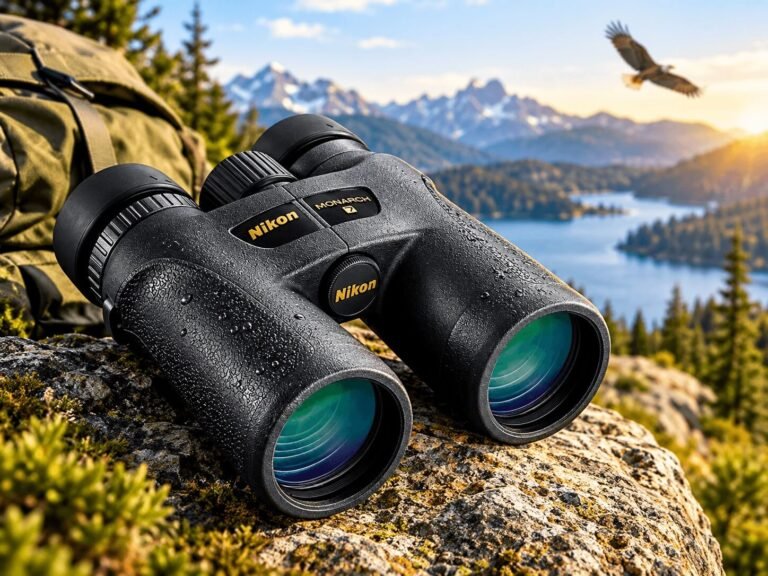
- Nikon
- Bushnell
- Vortex
Best Binoculars for Stargazing (2026)
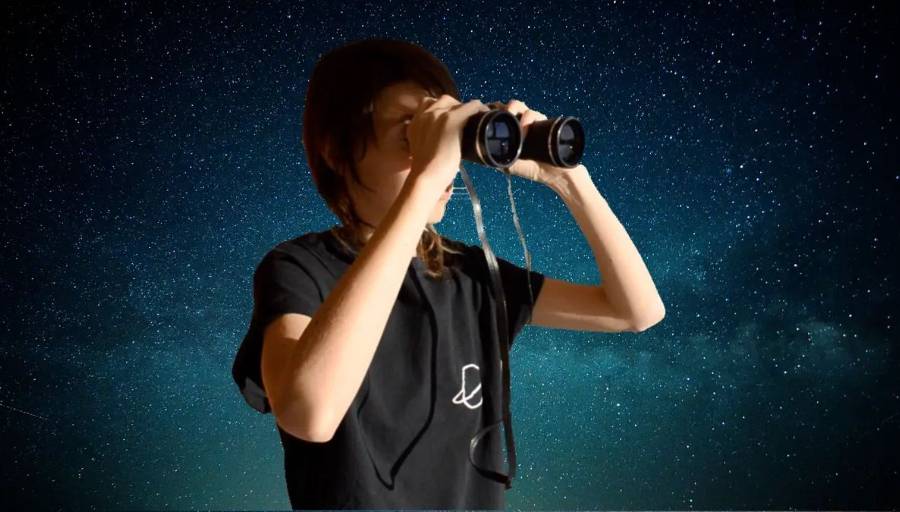
Once you understand what to look for, choosing the right binoculars becomes much easier. Based on the binoculars we’ve reviewed, here are our top recommendations for different budgets and observing styles. Whether you’re a beginner or an experienced sky watcher, these models offer excellent performance for exploring the night sky.
Best Overall: Bushnell Falcon 10×50
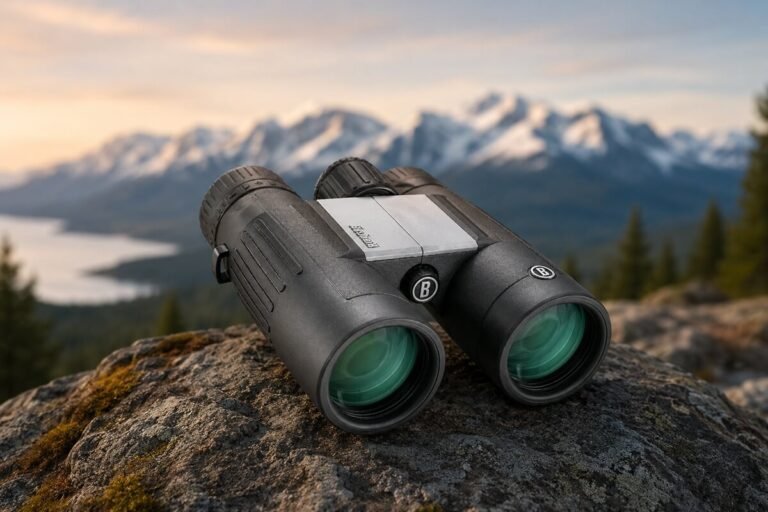
The Bushnell Falcon 10×50 is our top recommendation for most stargazers thanks to its balanced 10x magnification and large 50mm objective lenses. It gathers plenty of light for viewing the Moon, bright star clusters, the Orion Nebula, and the Andromeda Galaxy while remaining comfortable enough for handheld use. Its affordable price also makes it an excellent value for beginners and intermediate astronomy enthusiasts.
Best for: Overall performance, beginners, and general astronomy.
Best Low-Light Performance: Bushnell Trophy Xtreme 8×56
With its larger 56mm objective lenses, the Bushnell Trophy Xtreme 8×56 excels in low-light conditions. The extra light-gathering capability produces brighter views of galaxies, nebulae, and star fields, making it an excellent choice for observing under dark skies. Although larger and heavier than a typical 10×50, it’s ideal for users who prioritize image brightness.
Best for: Dark-sky observing and maximum brightness.
Best Compact Option: Nikon Sportstar EX 10×25
If portability is your priority, the Nikon Sportstar EX 10×25 is a great travel companion. While its smaller 25mm objective lenses collect less light than full-size astronomy binoculars, it’s perfect for casual stargazing, camping trips, and anyone who wants a compact binocular that’s easy to carry anywhere.
Best for: Travel, hiking, and occasional night-sky viewing.
Best Premium Choice: Swarovski EL 10×42
The Swarovski EL 10×42 delivers exceptional optical performance with outstanding sharpness, color fidelity, and edge-to-edge clarity. Premium coatings and high-quality glass provide excellent contrast for lunar observation and brighter deep-sky objects. It’s an outstanding investment for serious outdoor enthusiasts who also enjoy astronomy.
Best for: Enthusiasts seeking premium optical quality.
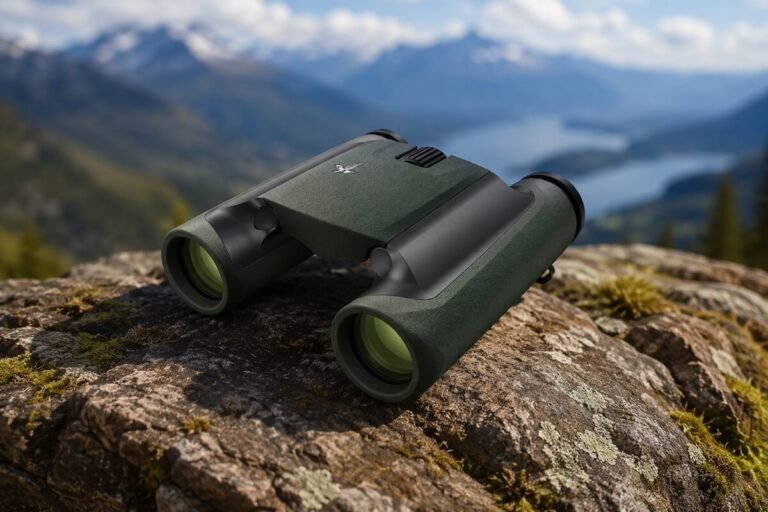
Best Lightweight Option: Swarovski CL Pocket 8×25
The Swarovski CL Pocket 8×25 is an excellent lightweight binocular for travelers and hikers. Although its compact objective lenses limit deep-sky performance, it offers superb optical quality in an ultra-portable design, making it ideal for occasional stargazing while traveling.
Best for: Travel, backpacking, and lightweight everyday carry.
Best High-Magnification Option: Bushnell Powerview 2 20×50
The Bushnell Powerview 2 20×50 provides significantly higher magnification for detailed views of the Moon and distant celestial objects. Because 20x magnification amplifies hand movement, it performs best when mounted on a tripod. It’s a good choice for users who want more reach than a traditional 10×50 binocular.
Best for: Lunar observation and tripod-mounted astronomy.
Looking for more options? Check out our complete guides to the Best Binoculars Under $100, Best Binoculars Under $300, and our comprehensive guide on Which Binoculars to Buy.
Conclusion
Choosing the right binoculars for stargazing can seem overwhelming, but by keeping these key factors in mind, you can select a model that suits your needs and budget. Whether you’re new to astronomy or an experienced astronomer, quality binoculars can dramatically improve your night sky viewing experience.
FAQs About Choosing Binoculars for Stargazing
Can you see planets with binoculars?
Yes. Binoculars can clearly show the Moon’s craters and reveal Jupiter as a bright disc with its four largest moons. Venus appears as a bright object, while Saturn is usually visible as an elongated shape rather than showing distinct rings. Although binoculars won’t match the detail of a telescope, they provide an excellent introduction to planetary observation.
Do I need a tripod for stargazing binoculars?
Not always. Most people can comfortably handhold 7×50, 8×42, and 10×50 binoculars for short observing sessions. However, larger binoculars such as 12×50 or 15×70 benefit greatly from a tripod or monopod, which reduces image shake and allows you to see finer details during extended viewing.
Are roof prism or Porro prism binoculars better for astronomy?
Both designs work well for stargazing, but Porro prism binoculars often provide brighter images and better depth perception for the price because of their optical design. Roof prism binoculars are generally more compact, lighter, and easier to carry, making them a good choice for users who also enjoy hiking, birdwatching, or travel.
What features should I prioritize when buying stargazing binoculars?
Focus on objective lens size, optical quality, fully multi-coated lenses, BaK-4 prisms, comfortable eye relief, and a durable weather-resistant body. For most users, a quality 10×50 binocular offers the best balance between brightness, magnification, portability, and overall value.
Can I use hunting or birdwatching binoculars for stargazing?
Yes. Many hunting and birdwatching binoculars perform very well for astronomy, especially models with 42mm or 50mm objective lenses and high-quality optics. Although they aren’t specifically marketed for astronomy, they can provide bright, sharp views of the Moon, star clusters, and other bright night-sky objects.