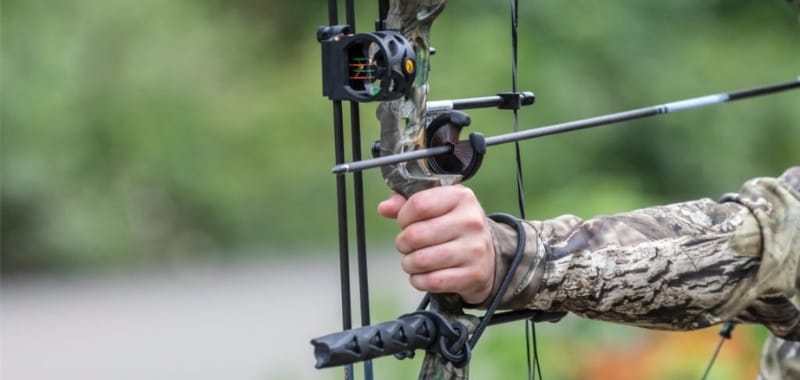
How to Choose Arrows for a Compound Bow (Beginner Guide + Pro Tips)

Modern bows boast increasingly sophisticated technology, enabling seamless transitions from indoor target shooting to 3D hunting. However, all this innovation is meaningless without the right arrows to complement your bow. Choosing the perfect arrow is a complex challenge, especially for newcomers to archery or bowhunting. It’s a crucial step that many overlook but understanding this can improve your shooting experience to new heights!
Whether you’re an aspiring archer, a seasoned marksman, or just curious about the sport, grasping how to choose the right arrows for your bow is crucial. The journey of finding your perfect setup involves balancing personal preferences, skill level, and intended use. By exploring the different aspects of this ancient yet ever-relevant practice, you’ll gain the insights necessary to make good decisions.
The Basic Parts of an Arrow (Quick Overview)
Before choosing the right arrow, it helps to understand its key components. Each part plays a role in accuracy and performance:
- Nock: The rear end that clips onto the bowstring. It transfers energy from the string to the arrow during release.
- Fletching (Feathers or Vanes): Stabilizes the arrow in flight and improves accuracy.
- Shaft: The main body of the arrow, usually made from carbon, aluminum, or a hybrid of both.
- Point (Tip): The front end of the arrow, designed for target practice or hunting depending on the type.
You don’t need to master every detail—just understanding these basics will help you choose the right arrow setup more effectively. Now that you understand the basics, let’s look at how to choose the right arrows for your compound bow.

Why Arrow Setup Matters?
Choosing the right arrow setup is just as important as selecting the right bow. Even the most advanced compound bow won’t perform well if your arrows aren’t properly matched.
Factors like arrow length, weight, and spine all work together to influence accuracy, speed, and penetration. A well-balanced setup ensures consistent arrow flight, tighter groupings, and better overall performance—whether you’re practicing on the range or hunting in the field.
Once you understand how these elements interact, you can make smarter decisions and fine-tune your gear for maximum efficiency.
How to Choose Arrows for a Compound Bow (Beginner Guide)
Now that you understand the basic parts of an arrow, let’s look at how to choose the right arrow for your compound bow based on performance, accuracy, and your shooting purpose.
Purpose of Use
The type of arrows you choose depends heavily on how you plan to use them. Target shooters, bowhunters, and recreational archers all require slightly different setups. While many arrows are versatile, selecting components based on your specific purpose will improve both accuracy and overall performance.
Arrow Length (Match Your Draw Length)
Arrow length is one of the most important factors when selecting arrows for a compound bow. It should be matched to your draw length for both safety and efficiency.
A simple rule is to add 1–2 inches to your draw length when cutting arrow shafts. This ensures the arrow extends slightly beyond the rest, reducing risk and improving shooting stability.
- Too short → unsafe and inconsistent
- Too long → reduced speed and efficiency
Arrow Weight (Grains Explained)
Arrow weight is measured in grains (GPI – grains per inch), not grams, and plays a major role in performance. For hunting setups, pairing the right arrow weight with fixed blade broadheads improves penetration.
- Lighter arrows offer higher speed and flatter trajectory, making them ideal for target shooting
- Heavier arrows deliver more impact and penetration, which is essential for hunting
Most setups fall within:
- Target shooting: 350–400 grains
- Hunting: 400–500 grains
Tip weights typically range from 100 to 125 grains, helping shift the center of gravity forward for better flight stability. However, balance is key—too much weight can reduce speed and accuracy.
Arrow Spine Explained (Most Important Factor)
Arrow spine refers to how much an arrow bends (flexes) when released. Choosing the correct spine is critical for achieving consistent accuracy and proper arrow flight.
“For detailed standards and safety recommendations, guidelines from the Archery Trade Association provide valuable reference.”
 The correct spine depends on:
- Your bow’s draw weight
- Your arrow length
- Your point weight
In general:
- Lower spine numbers (e.g., 300–400) = stiffer arrows (for high draw weight bows)
- Higher spine numbers (e.g., 500–800) = more flexible arrows (for lower draw weight bows)
For example, a 60 lb compound bow typically pairs well with a 400 spine arrow, depending on arrow length and tip weight.
Using the wrong spine can cause:
- Poor accuracy
- Erratic arrow flight
- Reduced penetration
Choosing the correct spine is critical for accuracy—if you want a deeper breakdown, check our guide on choosing the right compound bow setup.
Arrow Materials Compared
The material of your arrow shaft affects durability, weight, and overall performance.
- Aluminum arrows: Durable and consistent, commonly used for target shooting. However, they can bend when hitting hard surfaces or other arrows.
- Carbon arrows: Lightweight, strong, and highly popular among hunters due to their straight flight and durability. Over time, they may show wear or fraying.
- Hybrid (carbon-aluminum): Combines strength and lightweight performance, offering excellent energy transfer and durability. Preferred by experienced archers.
- Wooden arrows: Traditional and inexpensive but less durable. Mostly used by longbow and traditional archers rather than modern compound setups. It is now rarely available in modern compound bows or advanced crossbows that fit wooden arrows.
The price
The introduction of high-quality bows has driven up prices in the market. Therefore, price is an essential factor to consider before investing in a set of arrows. Arrow packages typically range from $5 to $100. To ensure optimal performance and protect your investment, it’s advisable to use a quality quiver for transporting your arrows. This will prevent any potential damage.
Quick Arrow Selection Checklist
Before buying your arrows, make sure you have:
✔ Your draw length measured
✔ Your bow’s draw weight known
✔ Correct arrow spine selected
✔ Proper arrow length chosen
✔ Suitable arrow weight for your purpose
✔ Material matched to your shooting style
Common Mistakes to Avoid
Even small mistakes in arrow selection can lead to poor accuracy and inconsistent performance. Avoid these common beginner errors:
- Choosing the wrong arrow spine: Using arrows that are too stiff or too flexible can cause erratic flight and reduced accuracy. Always match spine to your draw weight, arrow length, and point weight.
- Ignoring draw length: Selecting arrows without properly measuring your draw length can lead to unsafe shooting or reduced efficiency. Always size your arrows correctly for your setup.
- Using mismatched arrow weight: Going too light or too heavy without considering your purpose can negatively impact speed, penetration, and overall performance. Balance is key.
- Overlooking arrow quality and consistency: Low-quality or inconsistent arrows can affect grouping and reliability. Stick to well-matched arrows from trusted setups.
💡 Pro Tip
If your arrows aren’t flying straight or grouping tightly, your setup—not your skill—is often the problem. Small adjustments to spine, length, or weight can make a huge difference.
Conclusion
The power of your bow directly influences the rigidity of the arrow you should select. For a powerful bow, a very rigid arrow with a spine of 400 is recommended, while a softer arrow with a lower spine is better suited for a weaker bow. Regardless of your shooting distance, arrows can be lethal, so it’s crucial to follow basic safety guidelines and ensure that no one is within the shooting range.
I hope this guide has helped you gain a comprehensive understanding of bow arrows. If you have any questions or feel that additional information is needed, please leave a comment below!
Frequently Asked Questions (FAQs)
What are the main types of bows, and how do they differ?
Bows come in various types, including recurve, compound, and longbow. Recurve bows have tips that curve away from the archer, compound bows use a system of pulleys for added power, and longbows are known for their simplicity and traditional design. Each type caters to different preferences, purposes, and skill levels.
How do I choose the right arrow spine?
Arrow spine should match your bow’s draw weight, arrow length, and point weight. In general, higher draw weights require stiffer arrows (lower spine numbers like 300–400), while lower draw weights work better with more flexible arrows (higher spine numbers like 500–800). Using the correct spine ensures better accuracy and consistent arrow flight.
What arrow length should I use?
Your arrow length should be based on your draw length. A common rule is to add 1–2 inches to your draw length to ensure safety and proper performance. Arrows that are too short can be dangerous, while overly long arrows may reduce speed and efficiency.
What is the best arrow weight for hunting?
For hunting, arrows typically weigh between 400 and 500 grains. Heavier arrows provide better penetration and impact, which is essential for big game. However, it’s important to balance weight with speed for optimal performance.
What type of arrow is best for beginners?
Carbon arrows are usually the best choice for beginners because they are durable, lightweight, and provide consistent performance. They are suitable for both target practice and hunting setups.
Can I use any type of bow for bowfishing?
You can technically use various types of bows for bowfishing. However, specific bows are better suited for the task. Traditional recurve bows, compound bows, and specially designed bowfishing bows work well due to their durability and power.
Bowfishing bows typically have a lower draw weight, making them easier to handle, and they often come with features like reinforced limbs and specialized reels. Avoid using high-tech target bows, as they may not withstand the harsh conditions of bowfishing.
Which type of arrow is best for deer or big game hunting?
The best arrows for deer or big game hunting are made from carbon or aluminum due to their strength and durability. Choose arrows with a heavier spine to ensure they can withstand the impact of larger game.
Broadheads are also crucial; fixed blade broadheads are preferred for their reliability and penetrating power. On the other hand, mechanical broadheads can offer larger wound channels. Aim for arrow weights between 400 and 500 grains for optimal performance.
How do I know if my arrows are too stiff or too weak?
You can identify improper arrow spine by observing arrow flight. If your arrows are too stiff, they may hit left (for right-handed shooters) and feel less responsive. If they are too weak, they may hit right and show excessive flex during flight. Inconsistent grouping and unstable flight are common signs that your arrow spine needs adjustment.
What is the difference between field points and broadheads?
Field points are designed for target practice and are typically lightweight with a simple shape that makes them easy to remove from targets. Broadheads, on the other hand, are used for hunting and feature sharp blades for maximum penetration. Choosing the right tip depends on whether you’re practicing or hunting.