Best Weather for Deer Hunting: Temperature, Wind & Rain Tips

Deer hunting is a challenging and rewarding activity that requires careful planning and preparation. One of the most critical factors influencing your success is the weather. Understanding how weather conditions impact deer behavior can help you choose the best time for deer hunting. This article explores optimal weather conditions for deer hunting and offers tips to maximize your success in the field.
Best Weather Conditions at a Glance
| Weather Condition | Deer Hunting Potential | What to Do |
| Cool temperatures | Often favorable | Focus on morning and evening movement |
| Temperature drop | Potentially favorable | Check food sources, trails and bedding areas |
| Light rain | Can be favorable | Hunt before/after the rain and stay mobile when safe |
| Overcast skies | Often favorable for visibility | Watch travel routes and feeding areas |
| Light/steady wind | Generally manageable | Set up with the wind carrying your scent away |
| Strong/gusty wind | Less favorable | Consider sheltered terrain |
| Heavy rain | Usually poor | Wait for conditions to improve |
| Thunderstorms | Unsafe | Leave the field and seek shelter |
| Dense fog | Poor visibility | Avoid risky movement and uncertain shots |
| Extreme heat | Often reduces daytime movement | Prioritize cooler periods |
Weather can also influence when deer visit predictable food sources. If you use a timed feeder, understanding deer feeder timers can help you coordinate feeding schedules with your broader observation and hunting strategy.
Understanding Deer Behavior
To understand the best weather for deer hunting, it’s essential to have a basic understanding of deer behavior. Deer are crepuscular animals, which means they are most active during the early morning and late evening hours. During the day, they tend to rest and conserve energy, particularly during hot and sunny weather.
Deer are also highly sensitive to their surroundings and rely heavily on their senses to detect potential danger. They have a keen sense of smell and can detect human scent from a considerable distance. They also have excellent hearing and can hear sounds that are too faint for human ears.
Deer are also very wary animals and are constantly on the lookout for predators. They use their keen senses to detect danger and will quickly flee if they sense any threat. Therefore, it’s crucial to approach deer quietly and without being detected.
Best Weather Conditions for Deer Hunting
The ideal weather conditions for deer hunting can vary depending on the region, terrain, and hunting method. However, there are a few general weather conditions that can increase your chances of a successful hunt. Here are some ideal weather conditions for deer hunting:
Cool and Crisp Temperatures
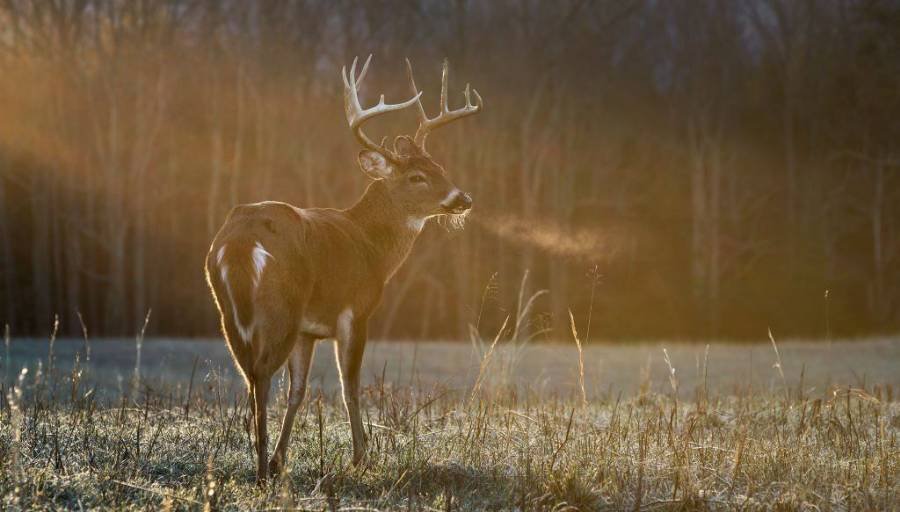
Cooler temperatures can create favorable hunting conditions, particularly during the early morning and late afternoon when deer are naturally more likely to move. Instead of focusing on a specific temperature range, consider how comfortable the conditions are for deer and how they compare with the weather from the previous day.
Deer movement also changes throughout the year, so understanding whitetail deer behavior through the seasons can help you interpret weather patterns in the context of seasonal activity.
Temperature Changes Matter More
Deer do not respond to one universal “perfect” temperature. A meaningful change from unusually warm or cool conditions can provide more useful information than a specific number on the thermometer.
Pay attention to temperature trends over the previous 24–48 hours. A noticeable change may alter how comfortable deer are in their surroundings and where they seek food, cover, or shelter.
Consider these changes alongside wind, precipitation, season, and the timing of legal shooting hours. When scouting before a hunt, learning how to track deer using trails and sign can help you identify active travel routes and areas worth monitoring.
Light Rain
Light rain can sometimes create favorable hunting conditions because it may encourage deer to move while also reducing visibility and background noise in the woods. Wet ground can also make your own movement quieter, although slippery terrain can increase the risk of a fall.
Rather than assuming rain will make deer easier to approach, pay attention to how deer are likely to use nearby cover, food sources, and travel routes during and after the rain. A light, steady shower may be manageable, while heavy rain can reduce visibility and make tracking, movement, and shot placement more difficult.
If rain is in the forecast, wear appropriate waterproof clothing and protect your hunting equipment. Always prioritize safe footing and a clear, ethical shot.
Overcast Days
Overcast conditions can be favorable for deer hunting because reduced sunlight can soften harsh shadows and glare, making it easier to scan the woods and spot movement. Cloud cover also provides more consistent lighting throughout the hunt.
However, overcast skies do not automatically make deer more active or reduce human scent. Deer movement still depends on factors such as temperature, wind, season, food availability, terrain, and hunting pressure.
Use cloudy conditions to your advantage by carefully watching travel corridors, feeding areas, and the edges of thick cover where deer may move. Hunters considering this approach can learn more about hunting whitetail deer in a blind and how weather and setup considerations affect the hunt.
How Weather Fronts Can Affect Deer Movement
Instead of looking only at the weather during your hunt, pay attention to how conditions are changing before, during, and after a weather front. A shift in temperature, wind, or precipitation can create different conditions for deer movement than a day with stable weather.
Before a front, changing wind and approaching precipitation may alter how deer use cover and travel routes. During the front, heavy rain, strong winds, or severe weather can reduce both deer activity and hunting visibility. After the front passes, changing temperatures and calmer conditions may create another opportunity for movement.
Rather than relying on the arrival of a front as a guaranteed deer-movement trigger, compare the forecast with the previous 24–48 hours. Look for meaningful changes in temperature, wind direction, precipitation, and visibility, then consider how those conditions interact with food sources, bedding areas, terrain, and hunting pressure.
Best Weather for Morning vs. Evening Deer Hunting
Weather conditions can affect deer movement differently throughout the day. Rather than looking only at the daily forecast, consider how temperature, wind, precipitation, and visibility are likely to change between morning and evening.
| Hunting Time | Weather Conditions to Watch | What to Look For |
| Early morning | Cooler temperatures and manageable wind | Deer returning to or moving near bedding areas |
| Midday | Weather changes, cooler conditions, or rut activity | Movement near cover, food sources, and travel routes |
| Late afternoon | Falling temperatures and steady wind | Deer beginning to move toward feeding areas |
| Evening | Cooler temperatures, good visibility, and manageable wind | Travel routes between bedding and feeding areas |
The best time can vary with season, rut activity, food availability, terrain, hunting pressure, and local deer behavior. Use the weather forecast as one part of your overall hunting strategy rather than treating any single condition as a guarantee of increased deer movement.
How Wind Direction Changes Your Setup
Before choosing a stand location, identify likely bedding areas, feeding areas, and travel routes. Then consider where your scent will travel under the forecasted wind direction.
A favorable setup keeps your scent away from the areas deer are expected to approach from. If decoy hunting is part of your strategy, choosing and positioning deer decoys appropriately can complement your overall setup.
However, if the wind becomes unpredictable or starts swirling, moving to a different location may be better than trying to compensate from the same stand.
Why this matters: this is much more actionable than simply saying “hunt downwind.”
Weather to Avoid for Deer Hunting
Just as there are ideal weather conditions for deer hunting, there are also weather conditions that you should avoid. Hunting during these conditions can make it challenging to spot and approach deer. It can also increase the risk of injury or getting lost. Here are some weather conditions to avoid when deer hunting:
High Winds
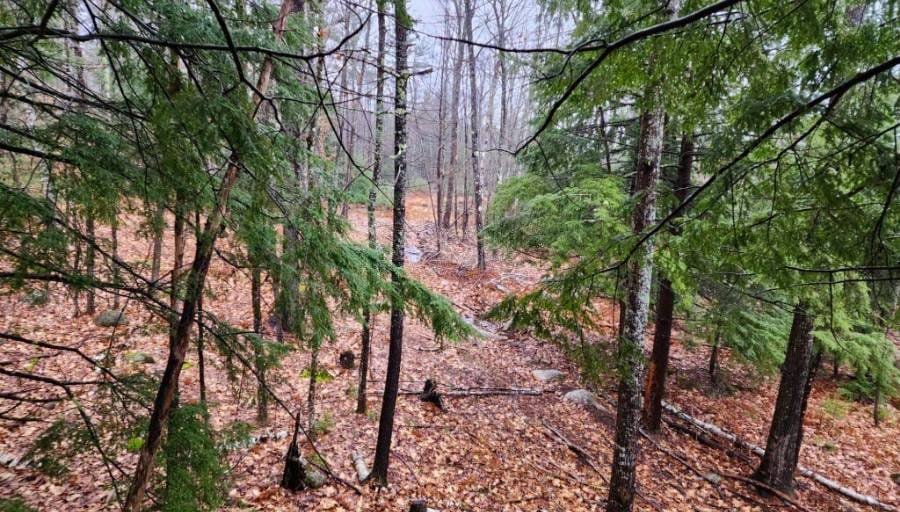
Strong and gusty winds can make it difficult to maintain a steady aim and can also make it difficult to hear approaching deer. Also, high winds can make it challenging to move around safely and can increase the risk of falling or getting lost.
Heavy Rain
Heavy rain can make it challenging to move around safely and can reduce visibility, making it difficult to spot deer. It can also make it more challenging to maintain a steady aim, as the rain can interfere with your scope or other hunting equipment. Besides this, heavy rain can wash away your scent, making it more challenging to attract deer.
Extreme Temperatures
Extreme temperatures can change deer movement, but they do not always make deer less active. During severe cold, deer may seek sheltered areas, while colder conditions can also encourage movement toward food sources. Likewise, extreme heat can cause deer to reduce daytime activity and spend more time in shaded or sheltered areas.
Pay attention to wind chill, snow, recent temperature changes, and available cover rather than treating cold or hot weather as universally unfavorable. Snow deserves particular attention because its depth and condition can affect deer movement and travel patterns.
For a closer look at how different snow conditions influence whitetail activity, see how deer move in the snow and how to hunt them in different snow conditions. Deer movement can also vary with season, food availability, rut activity, terrain, and hunting pressure.
Thunderstorms
Hunting during a thunderstorm is never a good idea, as it increases the risk of being struck by lightning. Thunderstorms can also make it difficult to move around safely and can reduce visibility.
Foggy Weather
Dense fog can make it challenging to spot deer and can also make it difficult to navigate safely. Fog can make it more challenging to maintain a steady aim, as it can interfere with your scope or other hunting equipment.
24-Hour Deer Hunting Weather Checklist
Checking the forecast once before a hunt isn’t enough. Weather conditions can change throughout the day, so review the forecast during the 24 hours leading up to your hunt. Use this checklist to identify changes that could affect deer movement, visibility, scent control, and hunting safety.
- Check the temperature: Note both the current temperature and whether temperatures are expected to rise or fall.
- Check the wind direction: Determine where the wind is coming from and how it may affect your stand location and scent.
- Watch for changing winds: A steady wind is easier to plan around than swirling or rapidly changing conditions.
- Check precipitation: Note the timing and intensity of expected rain or snow rather than simply whether precipitation is forecast.
- Look for severe weather: Check for thunderstorms, lightning, strong winds, or other conditions that could make hunting unsafe.
- Check visibility: Consider fog, heavy rain, snow, darkness, or other conditions that could affect your ability to identify a deer and make a safe shot.
- Review the previous day’s weather: Compare recent temperature, wind, and precipitation with the current forecast instead of looking at today’s conditions in isolation.
- Consider deer habitat: Think about how the forecast may influence bedding areas, feeding locations, water sources, and travel routes.
- Recheck the forecast before leaving: Weather forecasts can change, so verify the latest conditions before heading into the field.
The goal isn’t to find a perfect forecast. Instead, use the 24-hour weather pattern to decide when and where conditions are most favorable while keeping safety and ethical shot opportunities as the priority.
Conclusion
The best deer-hunting weather isn’t defined by one temperature or forecast condition. Focus on changes in temperature, wind direction, precipitation, visibility, and the conditions deer are likely responding to. A cool morning, manageable wind, and changing weather can create favorable opportunities, but safety and local deer behavior should always come first.
FAQs: Best Weather for Deer Hunting
Can I hunt during a light drizzle or rain?
Yes. Light rain can provide manageable hunting conditions when visibility remains good and the terrain is safe to navigate. Wet ground may also reduce the noise of your own movement. However, don’t assume rain will mask your scent or automatically increase deer activity. Pay attention to travel routes, nearby cover, precipitation intensity, and changing weather conditions.
Is hunting during the middle of the day a good idea?
Midday hunting can be less predictable than hunting around dawn or dusk, but it can still produce deer movement. Rut activity, changing weather, food availability, terrain, and hunting pressure can all influence daytime movement.
How does wind direction affect deer hunting?
Wind direction affects how your scent travels and should be considered when choosing a stand or hunting location. Position yourself so your scent is less likely to reach areas where deer are expected to approach. A steady, predictable wind is generally easier to plan around than swirling or rapidly changing wind.
Can I hunt during extreme cold or hot temperatures?
Yes, but extreme temperatures can change where and when deer move. During severe cold, deer may seek shelter while still moving toward food sources. During extreme heat, daytime movement can decrease as deer seek cooler, shaded areas. Consider recent weather changes, wind chill, available cover, food sources, and the time of day rather than assuming extreme temperatures always reduce deer activity.
Should I avoid hunting during a full moon?
A full moon alone is not a reliable way to predict deer movement. Moon phases coincide with changes in activity, but weather, season, food availability, rut activity, terrain, and hunting pressure can also influence when deer move. Treat moon phase as one factor rather than a deciding factor.
Is hunting during a thunderstorm safe?
No. Thunderstorms can create a serious lightning hazard as well as strong winds, heavy rain, poor visibility, and difficult travel conditions. If thunderstorms or lightning are present or approaching, leave the field and seek appropriate shelter rather than continuing the hunt.
Should I hunt on a clear or overcast day?
Both conditions can offer hunting opportunities. Overcast skies can reduce harsh shadows and glare, which can make it easier to spot movement in some environments. Clear conditions can provide better visibility but produce stronger shadows and glare.
Instead of assuming one sky condition guarantees more deer activity, consider temperature, wind, precipitation, terrain, season, and hunting pressure.