5 Best Kayak Paddle Floats (2026)

Kayaking invites you to adventure, but as any passionate paddler knows, the unexpected can lurk just beneath the surface. That’s where a paddle float comes into play—not just as a safety device but as a trusted companion that authorizes you to navigate the unpredictability of water.
We spotlight five exceptional models designed to promote your kayaking experience. From enhanced stability to quick deployment, these floats offer features that transform potential mishaps into seamless moments of joy on the water.
Best Kayak Paddle Floats Compared (2026)
Compare the top-rated kayak paddle floats to evaluate their materials, weight, dimensions, inflation system, and overall suitability before reading detailed reviews below.
| Name | Material | Weight | Dimensions | Inflation | Image | Action |
|---|---|---|---|---|---|---|
| HEYTUR Paddle Float | Nylon | 1.5 lbs | 30” x 12” | Auto-valve | 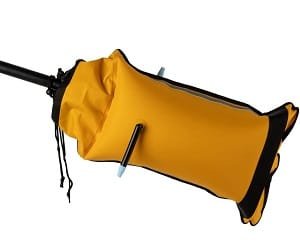 | |
| Seattle Sports Paddle Float | Nylon | 1.5 lbs | 26” x 30” | Oral or pump | 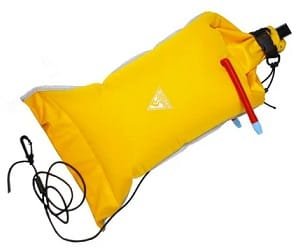 | |
| NRS Paddle FloatN | Nylon | 1.3 lbs | 24” x 28” | One-way valve | 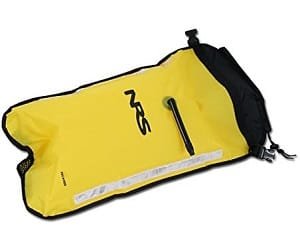 | |
| Yak Gear Paddle Float | Nylon | 1.1 lbs | 22” x 26” | Manual inflation | 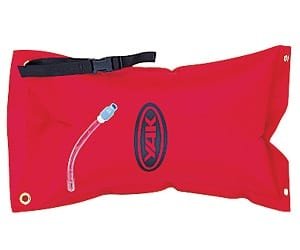 | |
| Gearlab Paddle Float | 420D PU | 1.4 lbs | 14” x 23.5” | Single blow-up | 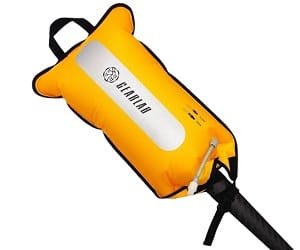 |
Whether you’re embarking on a solo expedition or sharing laughs with friends, pairing your safety gear with right kayak dry bags helps keep essential items dry and accessible throughout the trip.
How We Selected These Paddle Floats
Our recommendations are based on a structured evaluation process rather than manufacturer claims alone. To identify the best kayak paddle floats, we compared each model across multiple performance categories that influence reliability during self-rescue and long-term use.
We also reviewed product specifications, construction details, and consistent feedback from experienced kayakers to determine how each paddle float performs in different types of paddling scenarios. Instead of ranking products solely by price or popularity, we focused on overall performance, durability, ease of deployment, and value for different types of paddlers.
Each recommendation in this guide was selected because it offers a meaningful advantage for a specific use case, whether you’re a beginner learning self-rescue techniques, a recreational kayaker, or an experienced paddler venturing into open water.
Who Needs a Kayak Paddle Float?
Not every kayaker faces the same level of risk on the water, but a paddle float can be an invaluable piece of safety equipment whenever self-rescue may be necessary. It is particularly useful for paddlers who venture beyond sheltered shorelines or paddle without a partner nearby.
A paddle float is especially beneficial for:
- Sea kayakers navigating open water where waves and wind can make assisted rescues difficult.
- Touring kayakers covering longer distances and paddling farther from launch points.
- Solo paddlers who need a reliable method of getting back into the kayak without outside assistance.
- Beginner kayakers learning essential self-rescue skills in controlled conditions.
- Adventure paddlers exploring lakes, coastal waters, and remote waterways where safety preparation is essential.
Even experienced kayakers often carry a paddle float because weather, boat traffic, or unexpected obstacles can quickly turn a routine outing into a capsize situation. Having one readily accessible adds an extra layer of preparedness without taking up much storage space.
“For longer outings, many paddlers also upgrade to ergonomic kayak seats to improve comfort and reduce fatigue during extended hours on the water.”
When Should You Use a Paddle Float?
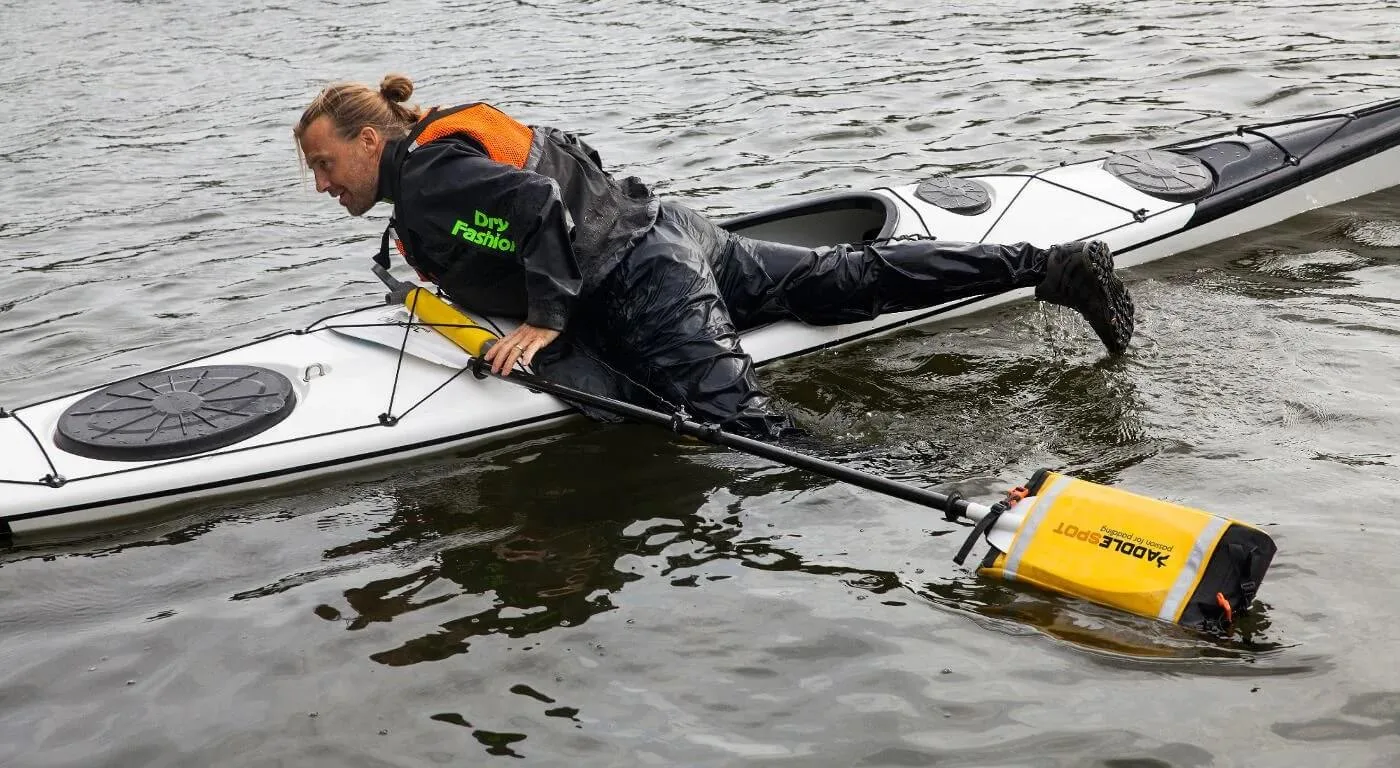
A paddle float is designed for self-rescue situations where re-entering a kayak without additional support would be difficult. It is most effective after a wet exit in calm to moderately rough water, allowing the paddle to act as a temporary stabilizer during re-entry.
You may need a paddle float when:
- A wave or wake causes your kayak to capsize.
- You lose balance while entering or exiting the kayak.
- You’re paddling alone without immediate assistance.
- You’re practicing self-rescue techniques before longer trips.
- Conditions make an assisted rescue impractical or impossible.
Although a paddle float improves stability during re-entry, it should be considered one part of a complete kayak safety system alongside a properly fitted PFD, a bilge pump, and regular self-rescue practice.
Why Self-Rescue Preparation Matters
Many paddlers carry a paddle float but never practice using it. Organizations such as the American Canoe Association (ACA) and Paddle UK recommend learning and practicing self-rescue techniques in controlled conditions before attempting open-water trips.
1. HEYTUR Kayak Paddle Float – Best for Easy Attachment
Tech Specs:
- Material: Quality nylon
- Weight: 1.5 lbs
- Dimensions: 30” x 12”
- Inflation Method: Auto-valve
📊 Editorial Performance Score
The HEYTUR Kayak Paddle Float is top rated because of its practical design and straightforward deployment. The paddle sleeve fits securely over most Euro-style paddle blades,and the quick-release buckle system keeps the float firmly in place during use
Its auto-valve reduces setup time compared to traditional oral-inflation designs, making it one of the more convenient options in this price range. The nylon shell feels durable enough for regular recreational use, and the stitching appears well reinforced in the high-stress areas around the valve and attachment points.
Despite its generous flotation chamber, the float packs down compactly and stores easily in a deck bag or hatch. Many paddlers also carry kayak paddle holders to secure the spare paddle while preparing for a paddle-float self-rescue.
However, considering its build quality, ease of deployment, and competitive price, the HEYTUR offers excellent overall value for recreational and touring kayakers.
PROS
- Quick-release buckles
- High visibility with reflective strips
- Supports easy re-entry into the kayak
- Tough and wear-resistant
CONS
- Limited color options
- Need practice to re-entry the technique
2. Seattle Sports Paddle Float – Best in Terms of Stability
Tech Specs:
- Material: Weather-resistant fabric
- Weight: 1.5 lbs
- Dimensions: 26” x 30”
- Inflation Method: Oral or pump
📊 Editorial Performance Score
The Seattle Sports Paddle Float is best in terms of stability, making it a great choice for paddlers who want to ensure a secure re-entry into their kayak. Its wide design provides an impressive surface area, which prevents capsizing during the process of getting back in.
The weather-resistant materials ensure longevity. This float is easy to use but provides peace of mind. Its bright colors enhance visibility on the water. Furthermore, the compatibility with most kayak paddles makes it a versatile addition to your other kayaking gear.
Although this paddle float provides excellent stability, larger paddlers or those with limited upper-body strength find self-rescue more demanding under certain conditions.
PROS
- Excellent stability
- Highly visible
- Versatile design
- Durable material
CONS
- Heavier than competitors
- Requires manual inflation
3. NRS Paddle Float – Best for Rough and Tightness
Tech Specs:
- Material: Heavy-duty nylon
- Weight: 1.3 lbs
- Dimensions: 24” x 28”
- Inflation Method: One-way valve
📊 Editorial Performance Score
The NRS Paddle Float is built with durability as its primary strength, making it a dependable option for paddlers who frequently kayak in demanding conditions.
Its heavy-duty nylon construction and reinforced stitching provide a solid, confidence-inspiring feel, and the one-way inflation valve simplifies setup and helps maintain consistent air pressure during use. The paddle sleeve fits securely on most Euro-style paddles. This will minimise unwanted movement once attached.
Although it commands a higher price than some competing models, the overall build quality and dependable construction make it a worthwhile investment for paddlers who prioritize long-term reliability over the lowest cost.
PROS
- Exceptional durability
- Easy to inflate
- Compatible with most paddles
- High visibility
CONS
- A bit expensive
4. Yak Gear Paddle Float – Best Budget-Friendly Option
Tech Specs:
- Material: Standard nylon
- Weight: 1.1 lbs
- Dimensions: 22” x 26”
- Inflation Method: Manual inflation
📊 Editorial Performance Score
The Yak Gear Paddle Float delivers dependable performance at an entry-level price, making it a practical option for recreational paddlers who want a reliable safety accessory without overspending.
While it lacks some of the premium construction details and advanced valve systems found on higher-end models, its straightforward design keeps operation simple and maintenance minimal. The lightweight construction makes it easy to carry on day trips, and its compact profile fits neatly into most kayak storage compartments.
For occasional kayaking, calm-water outings, and paddlers assembling their first safety kit, the Yak Gear offers an excellent balance of affordability, functionality, and everyday reliability.
PROS
- Affordable
- Lightweight design
- Sufficient buoyancy
- Easy to use
CONS
- Less durable than premium options
- Limited features
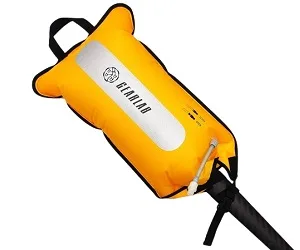
5. Gearlab Paddle Float – Best for Excellent Buoyancy
Tech Specs:
- Material: Eco-friendly TPU
- Weight: 1.4 lbs
- Dimensions: 14” x 23.5”
- Inflation Method: Single blow-up valve
📊 Editorial Performance Score
The Gearlab Paddle Float distinguishes itself with a thoughtfully designed two-chamber construction that prioritizes both reliability and redundancy. Compared to traditional single-chamber designs, it maintains partial flotation even if one chamber loses air. This will provide an added margin of confidence during extended paddling trips
The single-valve system streamlines inflation by filling both chambers simultaneously, reducing setup complexity without sacrificing performance. Constructed from durable TPU-coated fabric, the float offers excellent resistance to abrasion while remaining compact enough for convenient storage.
Combined with its secure paddle fit and premium construction, the Gearlab is well suited for paddlers looking for a high-quality paddle float built for frequent use and demanding environments.
PROS
- Two-chamber design
- Quick inflate valve
- Double security in case of rupture
- Versatile for different paddles
CONS
- Slightly heavy
- Require practice for optimal usage
Which Kayak Paddle Float Is Right for You?
If you’re still deciding after reading the reviews, here’s a quick summary of which model best fits different paddling needs.
- Choose HEYTUR Paddle Float if you want the best overall balance of fast deployment, secure attachment, and value for recreational or touring kayaking.
- Choose Seattle Sports Paddle Float if maximum stability during paddle-float re-entry is your top priority, especially when practicing self-rescue.
- Choose NRS Paddle Float if you paddle frequently and need a durable model that can withstand regular use and harsher environments.
- Choose Yak Gear Paddle Float if you’re assembling your first kayak safety kit and want a dependable, budget-friendly option for occasional trips.
- Choose Gearlab Paddle Float if you prefer premium construction, a dual-chamber design, and extra redundancy for longer touring or open-water paddling.
Every paddle float in this guide is capable of assisting with self-rescue when used correctly. The best choice ultimately depends on your paddling environment, experience level, and how often you expect to rely on it.
How to Choose the Right Kayak Paddle Float
Match the Float to Your Paddle Blade
Most inflatable paddle floats are designed for Euro-style paddles, which have wider blades and a defined shoulder that helps keep the float from slipping during a self-rescue. If you use a Greenland paddle or another narrow-blade design, verify compatibility before purchasing, as not every paddle float provides a secure fit.
Choose an Inflation System You Can Deploy Quickly
During a capsize, simplicity matters. Auto-valve and one-way valve designs generally inflate faster and reduce the chance of losing air while setting up. Oral-inflation models remain reliable but usually require more time and effort, particularly in cold water or rough conditions.
Prioritize Secure Paddle Attachment
A paddle float is only effective if it stays firmly attached throughout the rescue. Look for models with adjustable sleeves, strong webbing, and secure buckle systems that minimize twisting or slipping when weight is applied during re-entry. Recreational anglers who stop to fish also benefit from using a kayak anchor to maintain position in light wind or current.
Consider the Conditions You Normally Paddle In
Calm lakes, sheltered rivers, and exposed coastal waters place different demands on rescue equipment. Casual recreational paddlers only need a lightweight, compact float, on the other hand touring and sea kayakers often benefit from more durable materials and larger flotation chambers that provide greater stability in rougher water.
Packability Matters More Than Weight
The weight difference between most paddle floats is relatively small, but packed size can affect how easily the float fits inside a hatch, deck bag, or safety kit. A compact model is more likely to stay with you on every trip instead of being left behind.
If you frequently transport a fully loaded kayak, using a top-rated kayak carts makes moving your gear from the parking area to the launch much easier.
Build Quality Determines Long-Term Reliability
Pay close attention to seam construction, valve quality, reinforced attachment points, and abrasion-resistant fabrics. These components experience the greatest stress during repeated self-rescue practice and often determine how well the paddle float performs after years of use.
Practice Before You Need It
Even the highest-rated paddle float cannot compensate for unfamiliarity with self-rescue techniques. Spend time practicing in shallow, controlled water so deploying the float and re-entering your kayak becomes second nature before venturing into more challenging conditions.
Conclusion
A kayak paddle float isn’t just another piece of equipment; it’s a vital partner in your adventure toolkit, designed to turn potential mishaps into mere footnotes in your day on the water. Each product highlighted in this guide has its strengths, designed to fit the diverse needs of paddlers, whether you’re gliding through calm waters or tackling more challenging conditions.
If you use your kayak for fishing, a reliable kayak fish finders creates a more capable and efficient on-water setup. So, gear up with confidence, trust your choices, and let every stroke of your paddle lead you to new horizons. The water awaits—dive in!