How to Maintain Your Crossbow in 3 Simple Steps

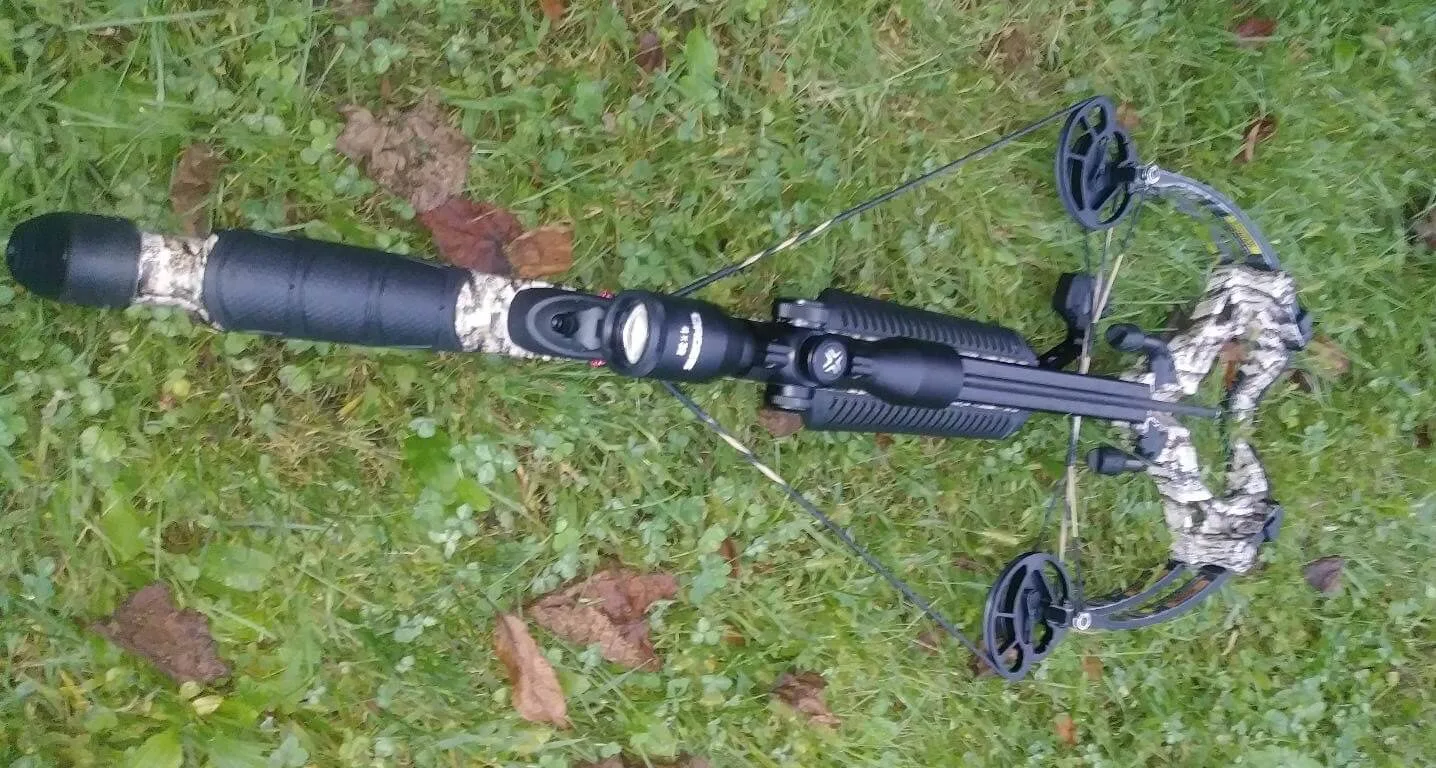
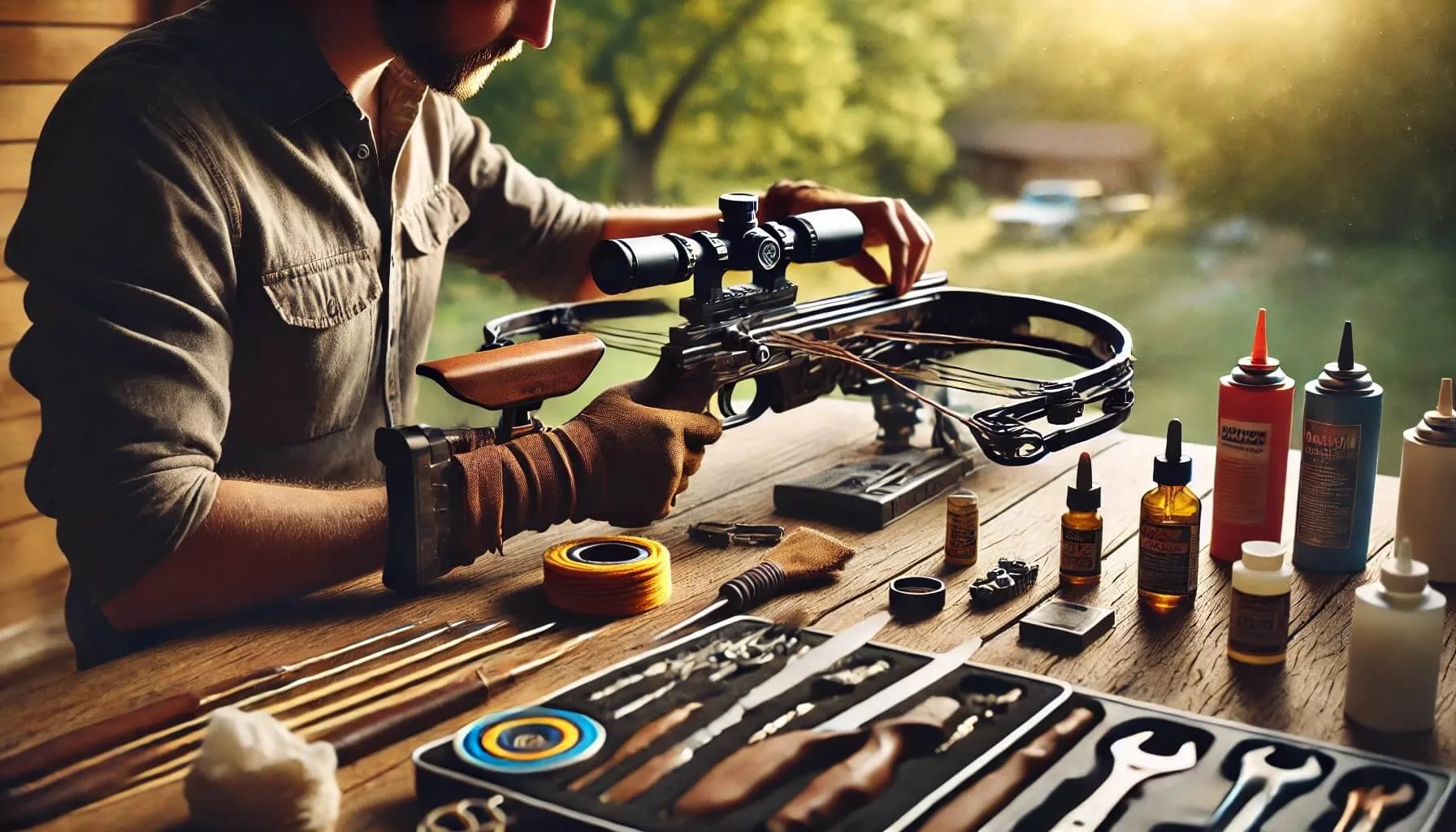
Maintaining a crossbow becomes a rewarding ritual for shooters who truly value their craft. A well-kept crossbow doesn’t just perform better; it shoots more accurately and reduces the risk of malfunctions. But crossbow maintenance isn’t one-size-fits-all—it requires a few essential steps to keep your weapon in peak condition.
The recommendations in this guide are based on common maintenance practices recommended by major crossbow manufacturers and experienced hunters who regularly use compound and recurve crossbows in the field.
Quick Maintenance Checklist Table
| Crossbow Part | Maintenance Task | Frequency |
| Bowstring | Apply bowstring wax | Every 5–10 shots or when dry |
| Rail | Apply rail lubricant | Every shooting session |
| Pulleys/Cams | Inspect and lubricate | Every 2–3 months |
| Screws & Bolts | Check tightness | Before each hunting season |
| Dampeners | Inspect for wear | After each shooting session |
“Whether you’re a beginner or an experienced hunter using one of the best hunting crossbows, regular maintenance is essential for maximizing accuracy, reliability, and the lifespan of your equipment.”
1. Maintaining Your Crossbow Requires a Good Check of the Shooting Rope
One of the most crucial parts of a crossbow to monitor is the shooting rope, as it’s particularly susceptible to wear. Without proper care, this component can fray over time, potentially leading to a complete break mid-shot. During regular hunting and target shooting, the bowstring is often the first component to show signs of wear. A quick inspection before each outing can prevent costly repairs and improve safety.
Start with a visual inspection—any signs of fraying or wear mean it’s time to replace the rope. Using a damaged rope not only risks breaking the crossbow but can also lead to serious injury. To prevent this, regularly apply a specialized wax designed for crossbows. This wax adds a light protective layer, which helps the rope last longer by reducing wear.
Pairing proper string maintenance with the right accessories, such as a quality bow wrist slings and bow string silencers, can further extend the life of your equipment. Think of it like engine maintenance in a vehicle: just as oil minimizes friction between the piston and cylinder, wax reduces friction in the rope, protecting it from premature wear.
Top Crossbow advice:
Start by applying a small amount of wax to the center of your crossbow string. Use your fingers to gently rub it in, working the wax deep into the fibers. As you do this, you should feel a slight warmth, which indicates the wax is absorbing well. However, avoid generating too much heat, as excessive warmth can weaken the strands in the rope.
This simple process only takes a few seconds but can significantly extend the life of your string, keeping it durable and ready for reliable performance.
2. Check the Condition of Your Crossbow Pulleys
The pulley system on a compound crossbow is another critical component to inspect regularly. This is especially important if you often shoot outdoors or in humid conditions, as moisture can lead to corrosion of the metal parts. To prevent this, apply a lubricant every two to three months. Use an oil can or a pressurized aerosol, which allows the oil to reach hard-to-access areas and provides more thorough protection against rust.
Even if you primarily practice indoors, metal oxidation can still occur, so consistent maintenance is key to keeping your pulleys in top condition.
3. The Body of the Crossbow is an Essential Point to Check to Maintain Your Crossbow
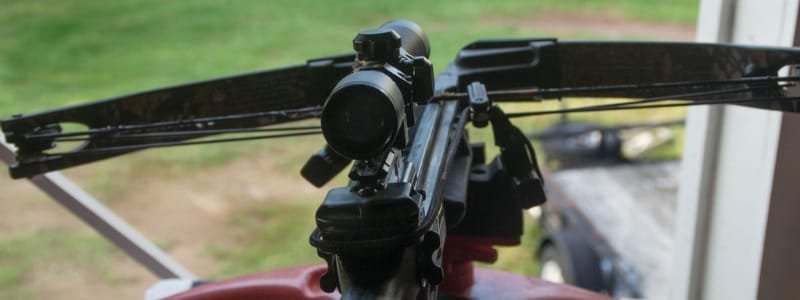
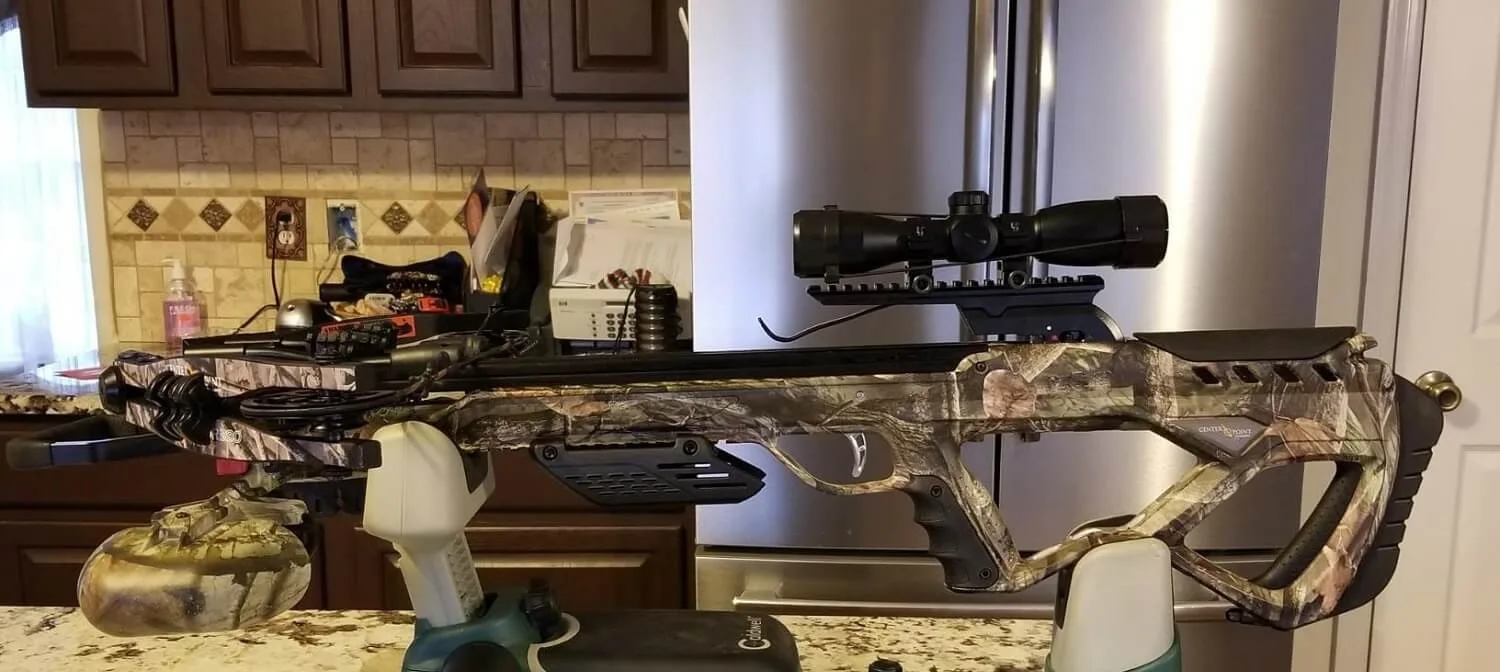
While the body of the crossbow may not require as much attention as the shooting rope, it still benefits from regular checks. Due to the high power output of some crossbows, screws can gradually loosen over time, so it’s wise to check their tightness periodically. Another essential maintenance tip is to apply a light layer of oil to the rail—the track guiding the bolt—every two to three shots. This lubrication helps the string glide smoothly along the rail, reducing friction and wear on both the rail and the string, ultimately extending their lifespan.
Another Top Crossbow tip:
- When selecting a crossbow, it’s essential to consider the availability of spare strings. Check with your supplier to ensure that replacement strings are readily accessible.
Expert Tips – At a Glance

Each shot from your crossbow generates vibrations that can affect its performance over time. Before the start of each season, make sure to tighten all bolts thoroughly; you can use Blue Loctite to secure them in place. Remember, the bolts, nuts, trigger system, and many mechanical parts are made of steel, so applying oil can help prevent rust.
Regular maintenance is key. Applying wax to the rope extends its life and enhances its performance, while a lubricant on the deck after each shooting session reduces friction with the string, preventing premature wear.
Pay attention to the wire cutter that protects the center of the rope; it can wear down due to friction with the bridge. Replacing it is relatively inexpensive compared to the cost of a new rope. Also, repeated contact with the rope can damage the absorbers, so check them after every shooting session.
Maintain a distance of 1/8 to 1/4 inch between the absorbers and the rope. You can easily adjust this distance by removing the rope, making a few turns on the absorbers, and then replacing it.
Hunting conditions can be tough, so investing in a good carrying case is crucial to prevent damage. Ensure that both the crossbow and its case are dry before reassembling everything. Since each crossbow has unique specifications, be sure to consult your instruction manual for specific maintenance tips and guidelines.
Thanks for reading.
Follow Manufacturer Maintenance Guidelines
While these maintenance tips apply to most modern crossbows, always consult the owner’s manual provided by the manufacturer. Maintenance schedules, lubrication requirements, and replacement intervals may vary between models.
- Safety Note: Never attempt maintenance on a loaded or cocked crossbow. Always ensure the crossbow is unloaded and follow the manufacturer’s safety instructions before performing inspections or repairs.
Frequently Asked Questions (FAQs):
Can I use any type of lubricant on my crossbow?
No, it’s crucial to use the recommended lubricants for crossbows. Bowstring wax for the strings and a rail lube specifically designed for crossbow rails are essential. Using improper lubricants can cause damage to the strings or affect the crossbow’s performance.
How should I store my crossbow when not in use?
Store your crossbow in a cool, dry place, away from direct sunlight. Ensure the bowstring is relaxed, and the limbs are not under tension. If possible, remove the string when storing for extended periods. Store arrows in a quiver to prevent warping or damage.
Can I leave my crossbow cocked for an extended period?
It is not recommended to leave your crossbow cocked for an extended period. Doing so can lead to accelerated wear on the string and cables, and affect the crossbow’s performance. Always de-cock your crossbow when not in use.
How often should a crossbow string be replaced?
Most crossbow strings should be replaced every 1–3 years depending on usage, shooting frequency, and visible wear. Replace immediately if fraying, broken strands, or serving separation is detected.
What happens if I don’t wax my crossbow string?
An unwaxed string experiences increased friction, which accelerates wear and can eventually lead to string failure.