River Kayak Fishing Tips to Catch More Fish

If you’re looking for proven river kayak fishing tips, you’ve come to the right place. After over eight years of paddling rivers and chasing fish from a kayak, I’ve learned firsthand what works—and what doesn’t. Fishing from a kayak isn’t just peaceful; it gives you access to hidden spots that bigger boats can’t reach, letting you fish smarter, not harder.
Kayak fishing on a river comes with its own set of challenges—currents, obstacles, and knowing where the fish are hiding. But with the right gear, techniques, and a little insider knowledge, you can turn these challenges into advantages. In this guide, I’ll walk you through everything from choosing the perfect kayak and essential tackle to effective paddling strategies, stealth approaches, and safety tips that keep you on the water longer.
Whether you’re a beginner testing the waters for the first time or an experienced angler looking to up your game, these tips will help you catch more fish, enjoy your time on the river, and truly master the art of kayak fishing.
1. Why River Kayak Fishing Is Amazing?
Kayak fishing opens a world of possibilities. Rivers offer a constant flow of water, which attracts different species of fish throughout the year. Unlike lake fishing, river fishing demands you read the water, understand currents, and position yourself strategically.
Here’s why you should consider it:
- Access hard-to-reach spots.
- Low-cost and eco-friendly compared to motorboats.
- Perfect combination of exercise and relaxation.
- Can be done solo or with friends.

2. Essential River Kayak Fishing Gear
Getting the right gear is key. You don’t need everything at once, but starting with the essentials will make your trips productive.
a) The Right Kayak
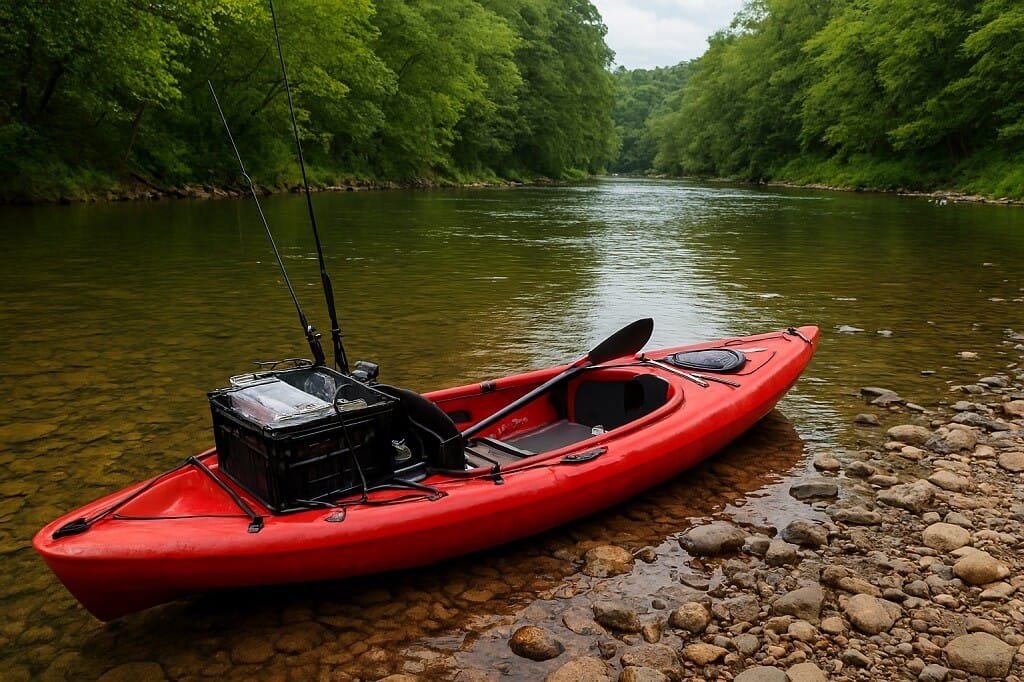
Choosing the right kayak is the first step in making your river fishing trips successful and enjoyable. After years of paddling different rivers, I’ve learned that the right kayak can make a significant difference in comfort, control, and how many fish you catch.
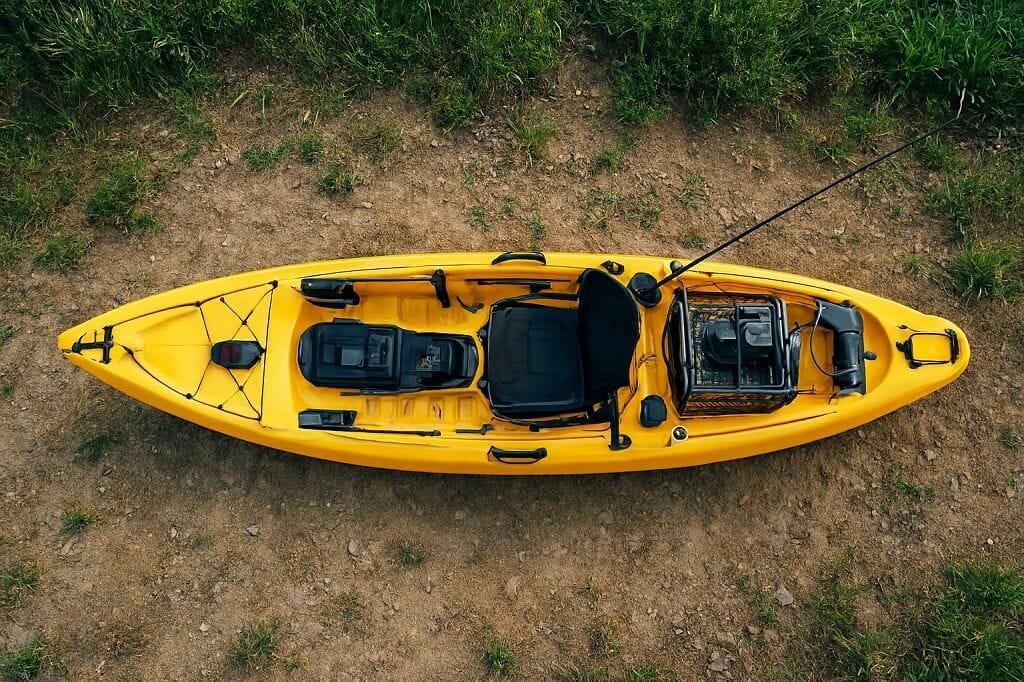
Sit-on-top kayaks are perfect for beginners. They are incredibly stable, easy to get in and out of, and let you move around freely while casting or landing fish. Their open design also makes cleaning and storing gear a breeze. If you’re just starting out, a sit-on-top kayak will give you the confidence to explore rivers without worrying about tipping over.
Sit-in kayaks, on the other hand, are ideal for more challenging rivers. They offer better control in fast currents, allow for smoother paddling, and provide protection from splashes and cold water. They’re also great for anglers who want to stay dry during long trips or in cooler weather.
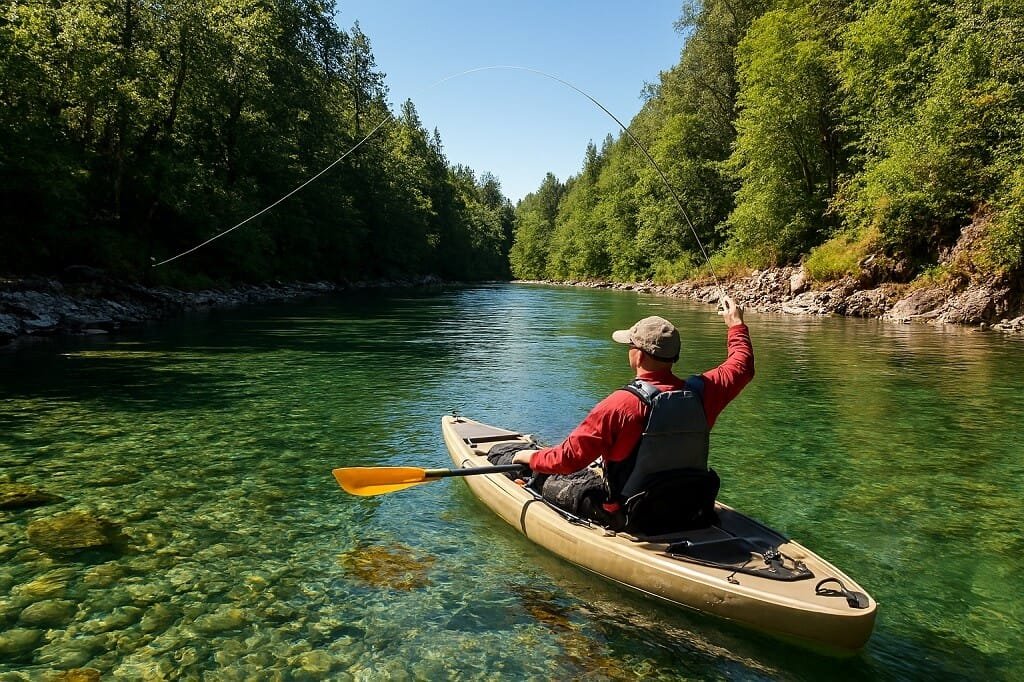
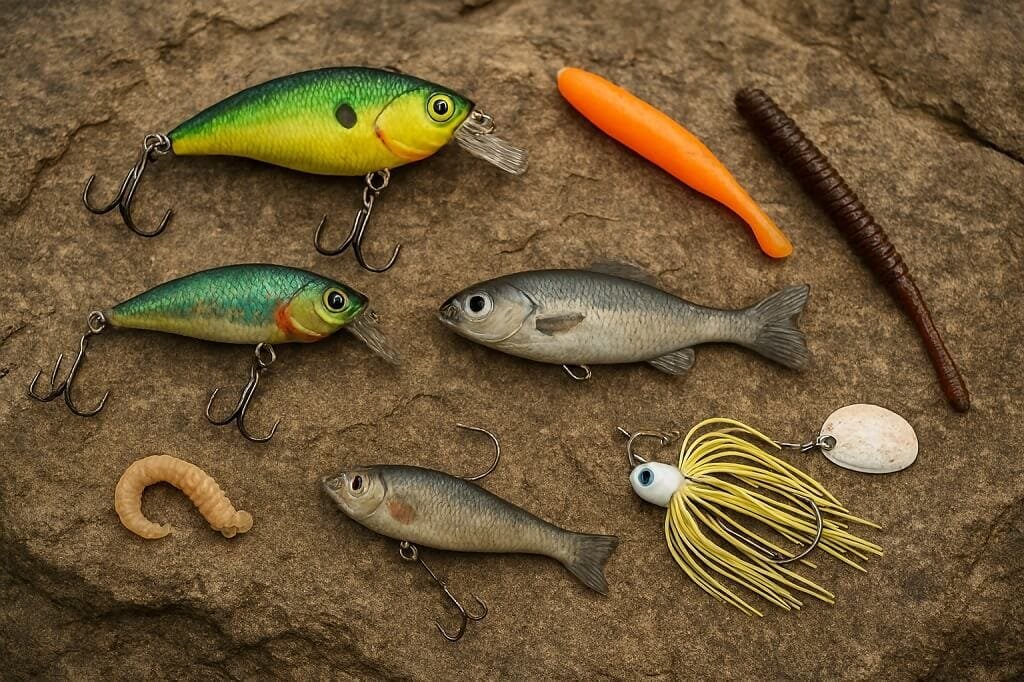
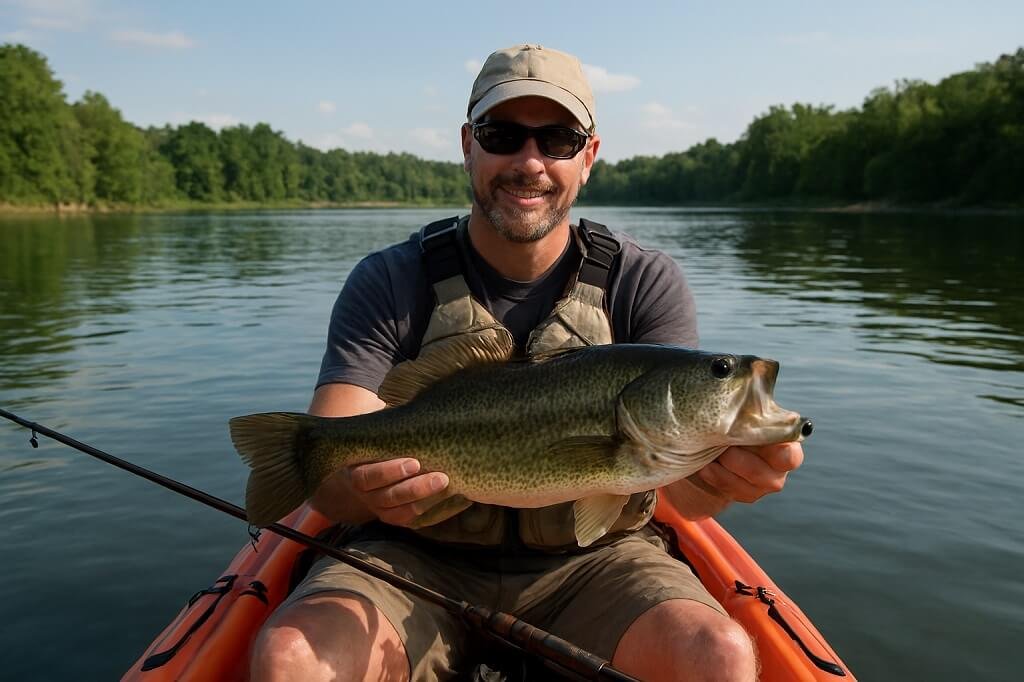
Even the best kayak won’t help if you’re struggling with your paddle or neglecting safety. A lightweight paddle is a must. It reduces fatigue over long distances. Look for paddles made of durable materials like carbon fiber or reinforced fiberglass—they’re strong, light, and make paddling in currents or against the wind much easier. Also, consider the paddle length and blade shape to match your height and river conditions for smoother strokes and better control. Safety gear is non-negotiable. Always wear a personal flotation device (PFD), even on calm rivers. Modern PFDs are lightweight and non-restrictive, so you can move freely and cast comfortably. Pair it with a whistle or signaling device—these can be lifesavers in case of an emergency or if you need to alert someone downstream. Other safety items to consider include a dry bag for your phone, wallet, and first-aid kit, as well as a helmet if you’re navigating faster rivers with rocks and rapids. Staying safe allows you to focus on fishing, enjoy the river, and return home worry-free. Picking the right rod and reel setup can make a big difference in your success on the river. Medium-action rods are a great all-around choice—they’re flexible enough for different fish species, yet strong enough to handle larger catches. For reels, spinning reels are beginner-friendly and easy to cast, making them perfect if you’re just starting out. Baitcasting reels, on the other hand, offer more precision and control, which is ideal for experienced anglers targeting specific spots or bigger fish. Having the right tackle and lures can dramatically improve your chances of catching fish in a river. Soft plastics, crankbaits, and spinnerbaits are all excellent choices—they mimic natural prey and work well in different river conditions. Soft plastics are especially versatile for slow pools and deeper holes, while crankbaits and spinnerbaits are perfect for moving water where fish are actively chasing. Always carry extra hooks, lines, and sinkers. Rivers can be unpredictable—snags, rocks, or a sudden big catch can easily damage your tackle. Having spares ensures you won’t miss any fishing opportunities. The right clothing and accessories can make your time on the river much more comfortable and productive. Quick-dry clothes are essential—they keep you comfortable even if you get splashed or sit in a damp kayak. Lightweight, breathable fabrics help you stay cool during long days on the water. Polarized sunglasses are a must-have accessory for river fishing. They reduce glare on the water, making it easier to spot fish swimming below the surface and read the river currents more effectively. Don’t forget a hat and sunscreen. Long hours on the river can lead to sunburn and fatigue, so protecting your skin and face is crucial. A wide-brimmed hat also helps keep the sun out of your eyes, improving visibility when casting or paddling. Rivers aren’t still water. Fish are influenced by current, depth, and structure. Learning this is crucial to catching more fish. Fish behavior changes with temperature. Mastering techniques makes the difference between catching a few fish and landing your dream catch. One thing I’ve learned over countless river trips is that casting style can make or break your day. In narrow rivers with overhanging trees, I almost always go with a sidearm cast. It keeps the line low, avoids snags, and lets you reach fish tucked under roots or branches—spots where I’ve consistently pulled some of the biggest bass. In open stretches, I switch to overhead casting. This is where I cover more water, reaching deeper pools and seams where fish hold in the current. Timing the cast with the flow of the river is key—I often angle my lure slightly downstream to make it look natural, which consistently triggers strikes. One trick I’ve picked up is reading the current like a map. Casting directly upstream sometimes works, but often I adjust my angle depending on how fast the water moves or how fish are positioned. Little tweaks like this have saved many lost lures and increased my catch rate significantly. Drifting is one of my favorite ways to cover water without spooking fish. The key is to let the river do the work, keeping your kayak moving naturally while your lure stays in the strike zone. I’ve found that positioning the kayak just slightly upstream of a promising spot lets the current carry your line smoothly past fish holding in seams or near submerged structure. Adjusting your drag and line length is critical. Too much slack, and your lure drifts unnaturally; too tight, and fish will sense resistance and ignore it. I usually experiment with a few feet of line above the lure and fine-tune the drag until it mimics natural movement in the current. Proper anchoring is essential when you want to focus on a specific spot. I usually carry a small, portable anchor to hold my kayak near deep pools, eddies, or slow-moving areas where fish love to hang out. It keeps the kayak steady without drifting, letting you present your lure with precision. One thing always keep in mind: anchoring not only improves your lure control but also reduces fatigue. You’re not constantly battling the current or readjusting your position, so you can concentrate on casting, jigging, or working soft plastics more effectively. One of the most rewarding techniques I use is sight fishing—spotting fish in clear water and targeting them directly. Polarized sunglasses are essential for this; they cut glare and let you see fish hiding under rocks, logs, or near the riverbed. When you spot a fish, approach slowly to avoid spooking it. I usually glide my kayak gently along the current to keep my line ready for a precise cast. The trick is to cast just ahead of the fish, letting your lure drift naturally into its path. This often triggers strikes that blind casting might never achieve. Choosing the right bait can triple your catch rate. Different rivers host different species. Some common ones include: Safety is crucial. Rivers have currents, obstacles, and wildlife to consider. A well-organized kayak improves efficiency and reduces frustration. Here are pro-level strategies to increase your catch rate: Absolutely! River kayak fishing is beginner-friendly when you take proper precautions. Start with calm, slow-moving sections of the river, always wear a properly fitted PFD (personal flotation device), and practice basic paddling and steering techniques before venturing into more challenging areas. Gradually build confidence in controlling your kayak while casting. Fishing success often depends on timing. Early morning, just after sunrise, and late afternoon, before sunset, are the most productive. Fish are more active during these cooler periods, increasing your chances of bites. Observing wildlife activity, like birds feeding, can also help pinpoint the best fishing times. Not necessarily. Paddling and drifting are sufficient for most rivers, giving you quiet and precise control over positioning. Motors are optional and mostly useful for covering long distances quickly or navigating large rivers. Keep in mind that silence often improves your chances of attracting fish. Tangles are common in rivers, but a few techniques can help. Keep your line clear of rocks, logs, and other obstacles. Adjust the length of your lure or line depending on the current speed. Using lighter tackle and staying aware of flow changes can also prevent snags and allow smoother casts. Yes, but you need to adjust your approach. Fish are slower and less active in cold water, so target deep pools, slow-moving sections, and sheltered areas. Use heavier baits or lures to reach the fish and consider shorter, slower retrieves to entice bites. Dressing warmly and ensuring your kayak is stable are essential for winter trips. River kayak fishing is more than just a hobby—it’s an experience that blends adventure, skill, and pure relaxation. Applying proven strategies will consistently increase your catch rate. Patience is key, but so is observation. Watch the wildlife, read the currents, and notice subtle changes in water depth or clarity—these details often reveal hidden fishing hotspots. Preparation matters too: from proper safety equipment to practicing paddling techniques, a well-prepared angler enjoys more productive and stress-free outings. Thanks for reading!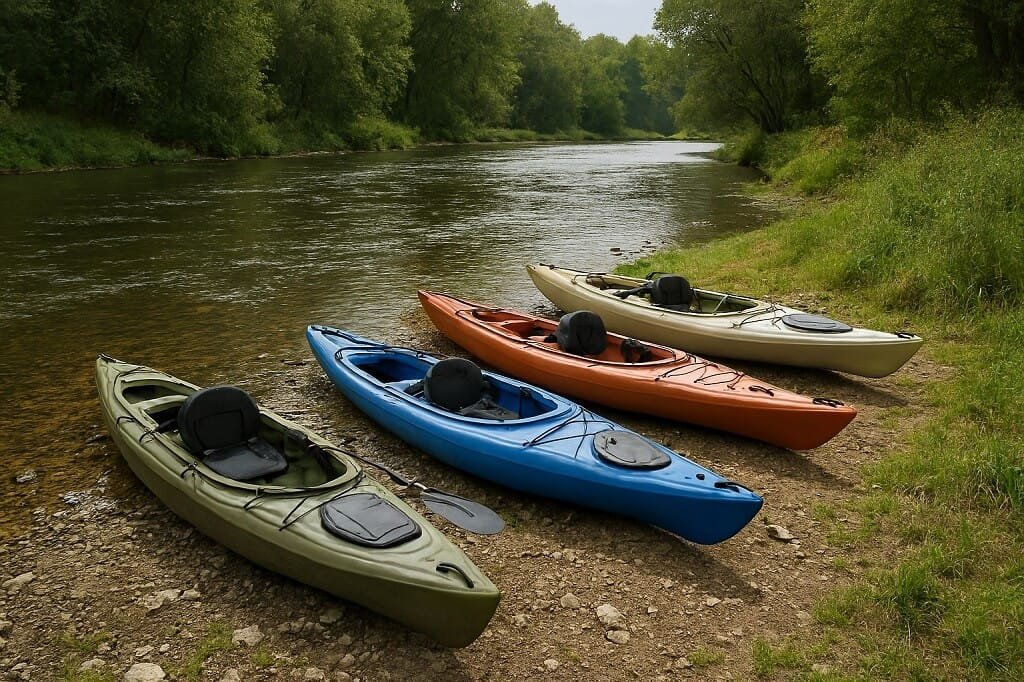
b) Paddle and Safety Gear
c) Fishing Rods and Reels
d) Tackle and Lures
e) Clothing and Accessories
3. Understanding River Dynamics
a) Reading the Current
b) Identifying Structure
c) Water Temperature & Season

4. Kayak Fishing Techniques
a) Casting Techniques
b) Drifting
c) Anchoring
d) Sight Fishing
5. Best Baits and Lures for River Kayak Fishing
6. Target Fish Species in Rivers
7. River Kayak Fishing Safety Tips

8. Kayak Fishing Setup and Organization
9. Proven Tips to Catch More Fish

10. Common Mistakes to Avoid
11. FAQs About River Kayak Fishing Tips
Q1: Can beginners do river kayak fishing safely?
Q2: What’s the best time of day to fish from a kayak?
Q3: Do I need a motor for river kayak fishing?
Q4: How do I avoid tangles in moving water?
Q5: Can I kayak fish during winter?
12. Bonus Tips from Pro Kayak Anglers
Conclusion