Mountain Biking Nutrition Advice: Fueling Your Ride the Right Way


Mountain biking pushes your limits — physically and mentally. Whether you’re tearing up technical descents or grinding through long climbs, what you eat and drink can make or break your ride. Poor nutrition leads to fatigue, cramps, and loss of focus. Smart fueling, on the other hand, helps you ride harder, recover faster, and enjoy every mile.
In this comprehensive guide, we’ll break down the best mountain biking nutrition advice — pre-ride, during your ride, and post-ride. You’ll learn what to eat, when to eat it, and how to avoid the common mistakes that derail even experienced riders.
Why Mountain Biking Nutrition Matters?
Mountain biking isn’t just cardio. It’s an all-body workout that mixes endurance, power, and technical skill. Unlike road cycling, mountain biking demands bursts of strength and quick reactions — especially on tough trails.
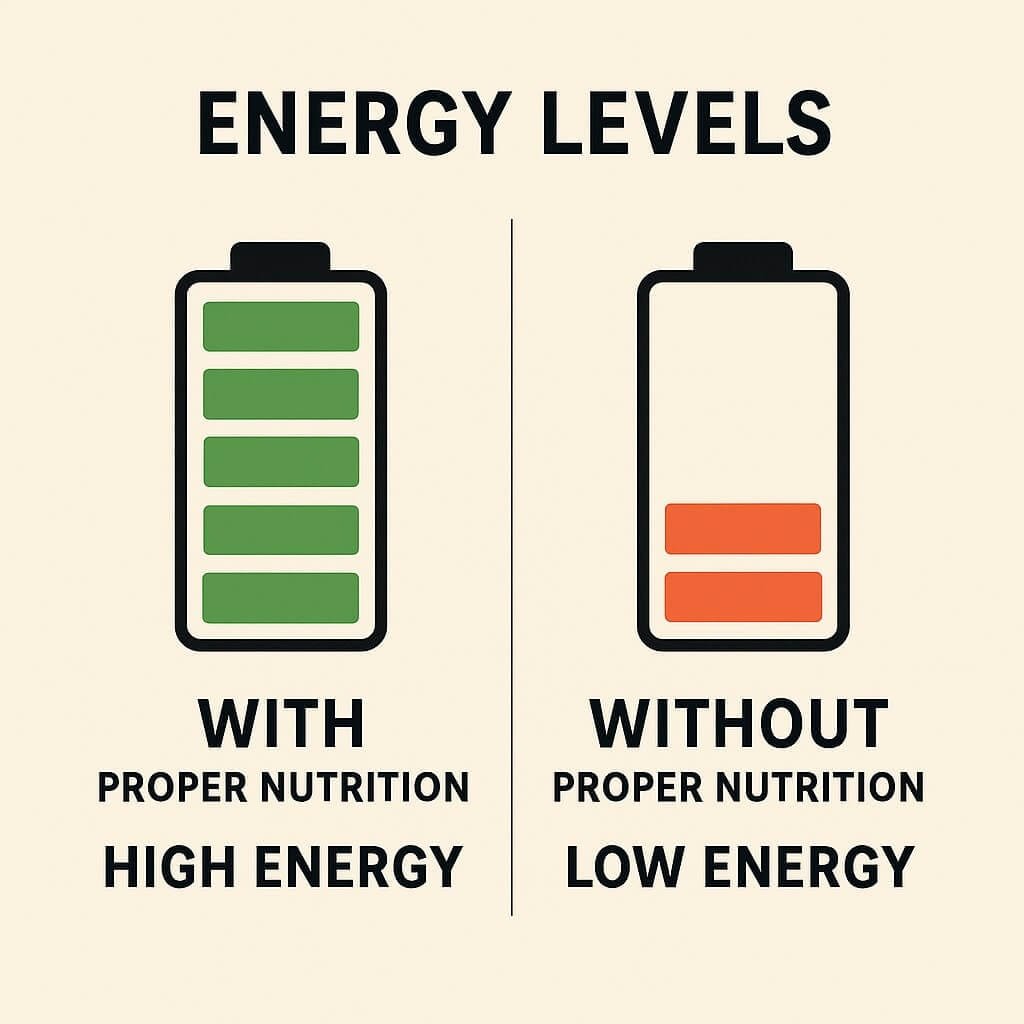
You’re constantly shifting, steering, and absorbing shock with your arms and core. This burns calories fast. If your mountain biking nutrition is off, you’ll feel sluggish, foggy, or even lightheaded. Worse, dehydration or bonking (energy crash) could force you to cut your ride short.
Good nutrition helps:
- Maintain energy and focus
- Prevent muscle breakdown
- Optimize hydration and electrolyte balance
- Speed up recovery
- Reduce cramps and fatigue
Let’s get into the timing of your fuel — because what you eat before, during, and after the ride all matter.
Pre-Ride Nutrition: Fueling Up the Right Way
Eat 1–3 Hours Before Your Ride
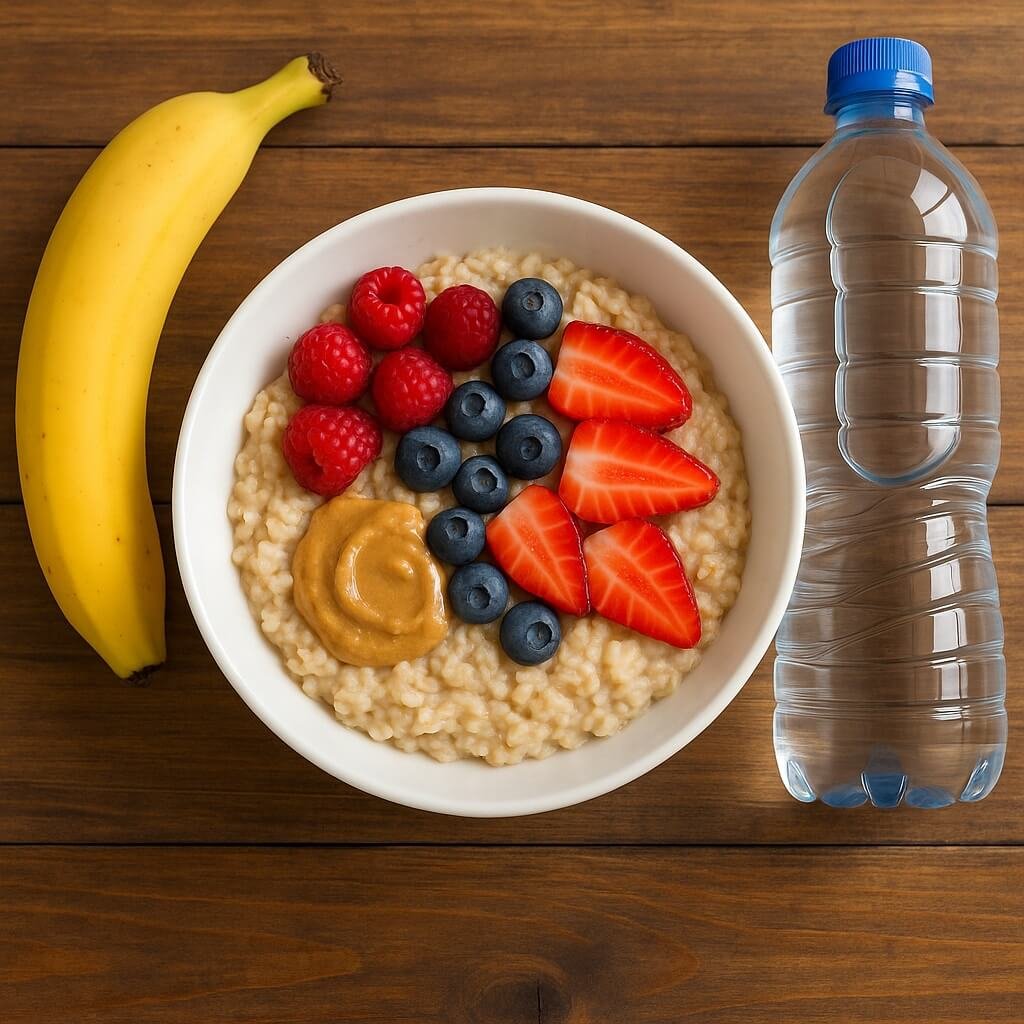
Your body needs carbs for fuel and protein to support muscles. Avoid high-fat or greasy meals — they slow digestion and can cause stomach trouble mid-ride.
Best Pre-Ride Foods (1–3 hours before):
- Oatmeal with banana and peanut butter
- Whole grain toast with almond butter and honey
- Brown rice and eggs with avocado
- Low-fat Greek yogurt with fruit and granola
If you’re riding early and only have 30 minutes, go light:
- Banana or a handful of dates
- Half an energy bar
- Slice of toast with jam
On-the-Ride Nutrition: Stay Fueled on the Trail
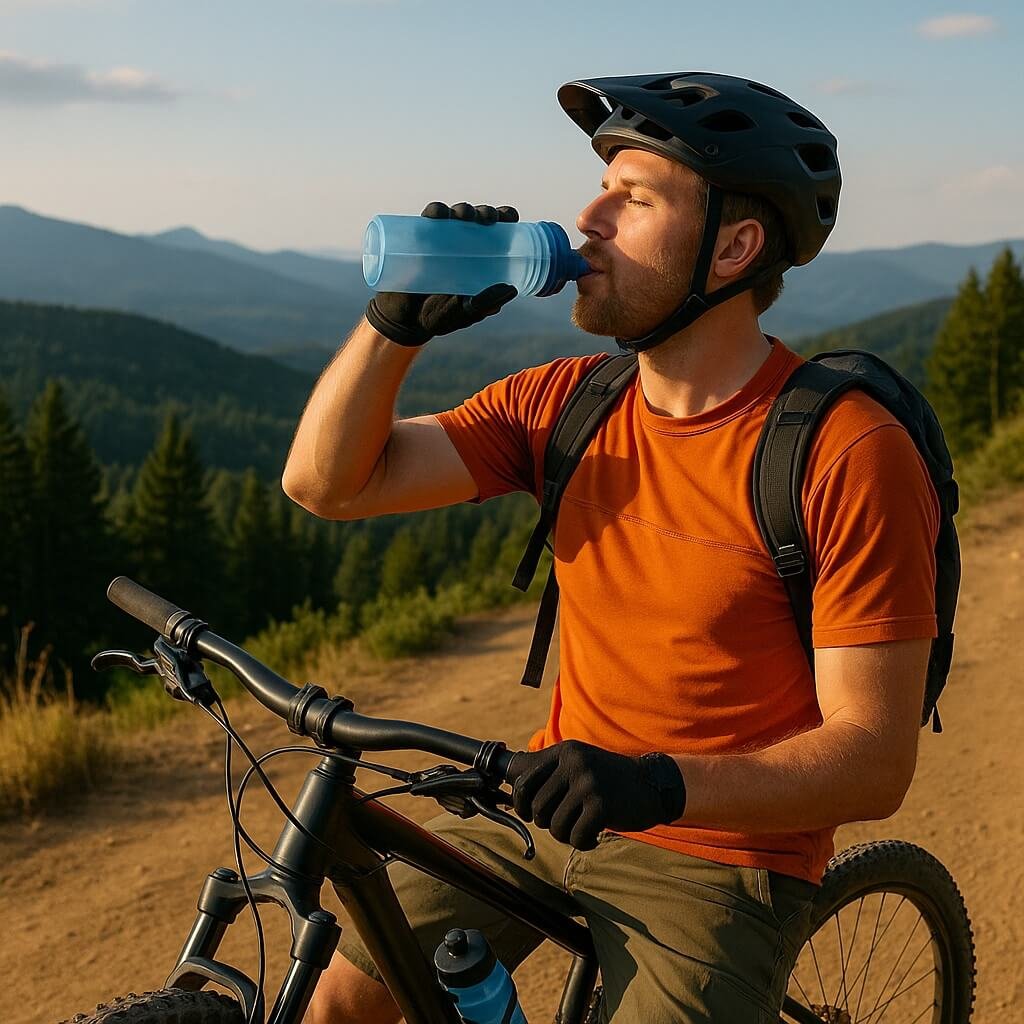
Eat and Drink Consistently
Don’t wait until you’re hungry or thirsty. That’s too late. Instead, plan to fuel every 30–45 minutes during long or intense rides (over 1.5 hours). Carbs are your main fuel here. Aim for 30–60 grams of carbs per hour depending on your size and intensity.
Best On-the-Ride Snacks:
- Energy gels or chews (e.g. GU, Clif Bloks)
- Dates, dried mango, or banana chips
- Trail mix (light on salt)
- Rice cakes with honey or nut butter
- Sports drinks with carbs + electrolytes
Hydration strategy:
- Sip water every 15–20 minutes
- Use electrolyte tablets or drink mixes (especially in summer)
- Aim for 500–750ml per hour in hot conditions
If your ride is under 60–75 minutes, water alone may be fine. For anything longer, add calories and electrolytes.
Signs You’re Under-Fueling:
- Sudden fatigue or “bonk”
- Brain fog or irritability
- Dizziness or weak legs
- Cramping or nausea
Post-Ride Recovery: Refuel and Repair
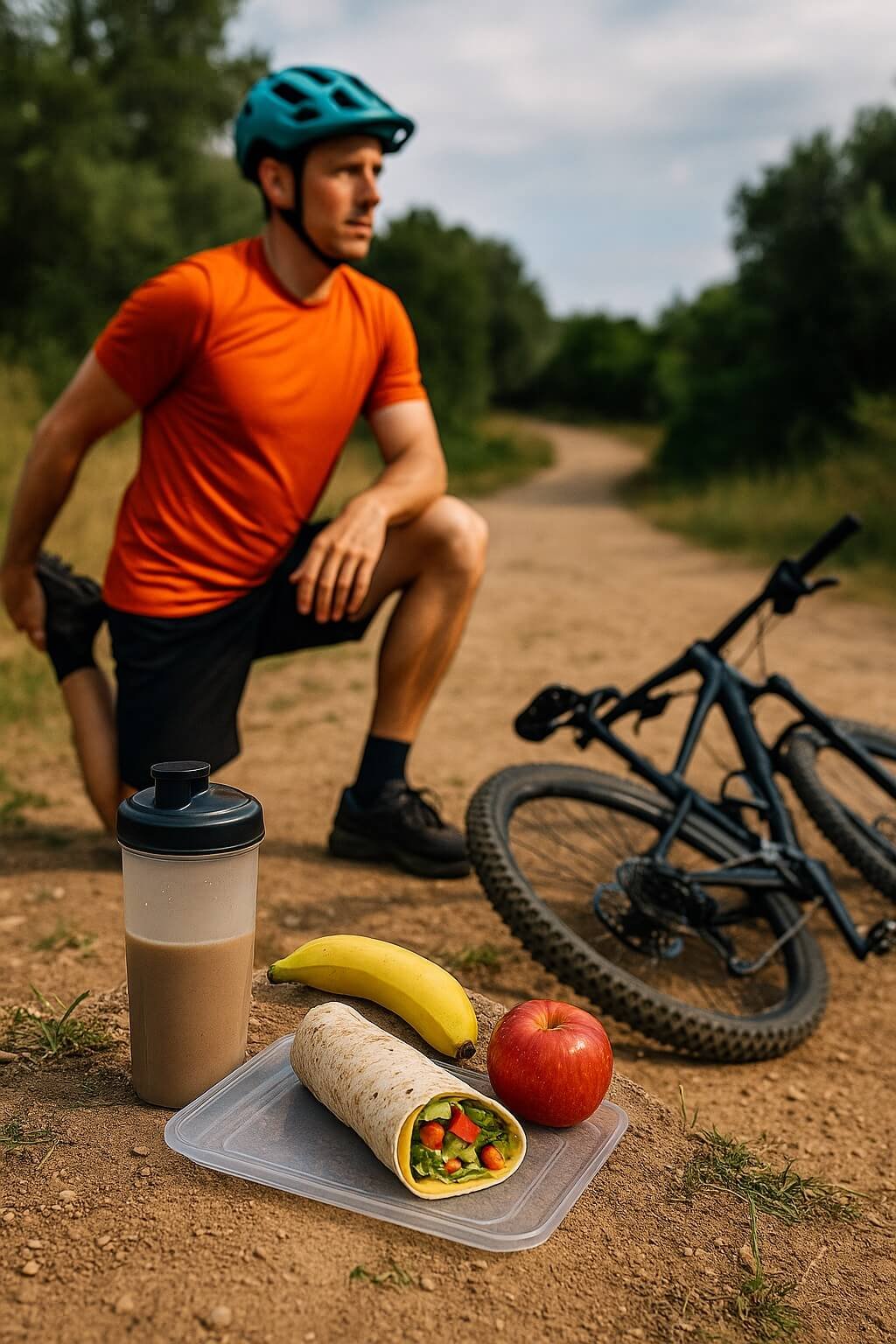
Refuel Within 30–60 Minutes
Recovery starts right after you dismount. To prevent soreness and rebuild energy stores, refuel with a 3:1 ratio of carbs to protein.
Top Recovery Meal Ideas:
- Protein shake with banana and oats
- Turkey wrap with whole grain tortilla and greens
- Rice bowl with lean chicken, sweet potato, and avocado
- Smoothie with berries, Greek yogurt, and almond butter
Avoid high-fat or processed foods right away — they slow digestion and interfere with nutrient absorption.
Hydration Tips for Mountain Bikers
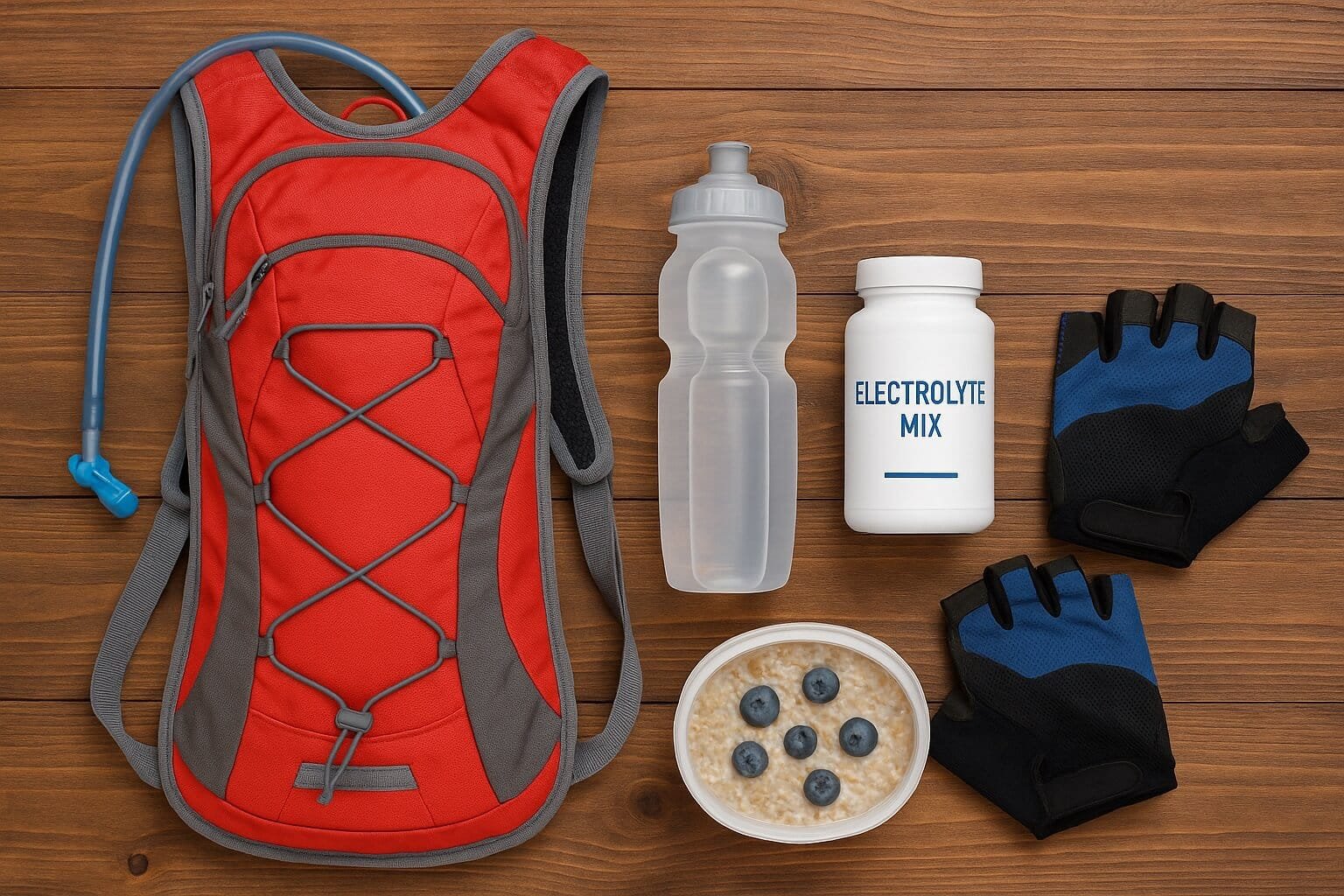
Dehydration hits mountain bikers fast — especially at altitude or in dry climates. Here’s how to stay ahead:
- Start hydrated: Pee should be pale yellow before the ride.
- Hydrate often: Carry a hydration pack or bottle. Drink before you’re thirsty.
- Electrolytes matter: Sweat doesn’t just lose water — you also lose sodium, potassium, and magnesium.
- Hot weather = more fluids: Increase intake to 750–1000ml per hour in extreme heat.
- Watch caffeine: Coffee is fine, but too much caffeine (from gels or drinks) can be dehydrating.
Sample Meal Plan for Mountain Bikers
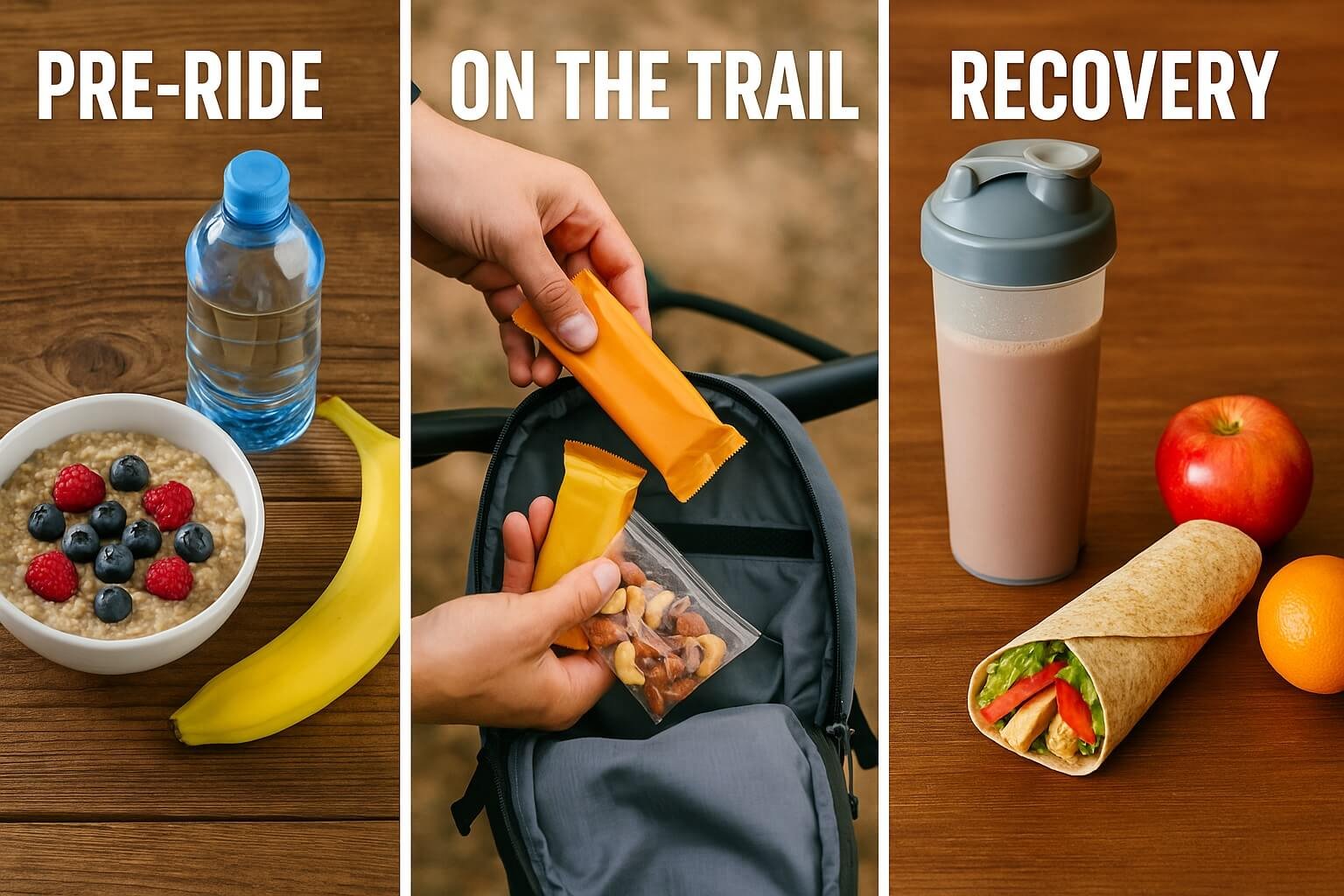
Here’s a one-day plan designed for a 2-3 hour ride:
7:30 AM – Pre-Ride Breakfast
- Bowl of oatmeal with blueberries, chia seeds, almond butter
- One slice of whole grain toast with jam
- Glass of water with a pinch of sea salt
10:00 AM – Mid-Ride Fuel (every 30-45 min)
- 1 banana
- 1 energy gel
- 500ml of sports drink with electrolytes
12:30 PM – Post-Ride Recovery
- Smoothie with Greek yogurt, frozen mango, spinach, protein powder, and flaxseed
- Handful of pretzels or a turkey sandwich
- Water + electrolytes
Common Mountain Biking Nutrition Mistakes
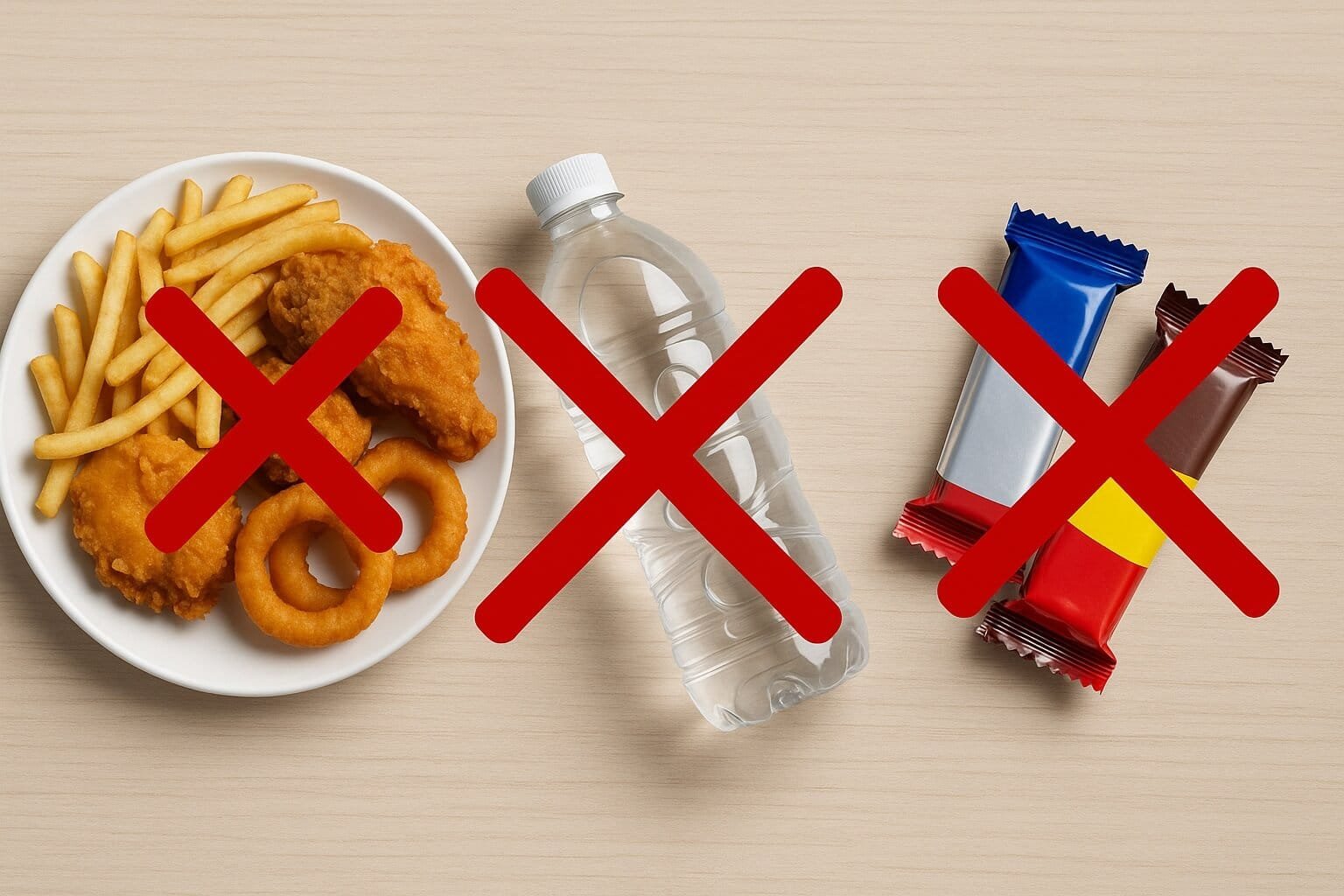
Skipping Meals or Under-Eating
Trying to “ride light” leads to bonking. You need fuel, especially on climbs and tough terrain.
Too Much Sugar
Not all carbs are equal. Avoid candy bars, soda, or cheap gels with high fructose corn syrup. They spike blood sugar and crash it hard.
Ignoring Electrolytes
Sweating out salt without replacing it? Hello, cramps and fatigue. Use electrolyte mixes on longer rides or hot days.
Forgetting to Practice
Race day isn’t the time to try new nutrition strategies. Practice your fueling on training rides.
Nutrition for Different Mountain Biking Styles

Cross-Country (XC) Riders
You need sustained energy for long efforts. Focus on carbs and hydration. Light, fast-digesting foods like bananas, gels, and rice cakes are perfect.
Enduro Riders
These riders need repeated short bursts of power. Keep quick snacks and electrolyte tabs in your pack. Hydrate between stages.
Downhill Riders
Though rides are shorter, downhillers still burn energy quickly. Fuel before the session and sip sports drinks between runs. Focus more on hydration than heavy meals.
Best Snacks to Pack in Your MTB Kit
- Honey Stinger Waffles
- Salted nuts or trail mix
- RXBAR or Clif Bar
- Fruit leather or dried mango
- Mini rice cakes with nut butter
- Energy chews or dates
- Nuun electrolyte tablets or LMNT packs
Pack light, pack smart — store snacks in jersey pockets, hip packs, or top tube bags.
Final Thoughts
Mastering your mountain biking nutrition doesn’t require fancy products or a sports science degree. It’s about planning ahead, listening to your body, and fueling with intention. Start every ride fueled, hydrate regularly, snack on real energy, and recover strong. Whether you’re racing XC or just out for a weekend loop, smart nutrition will help you ride longer, stronger, and happier.