Whether you’re preparing for your first hunt or refining years of experience, our Hunting category is your trusted resource for expert advice, field-tested gear recommendations, and practical hunting strategies.
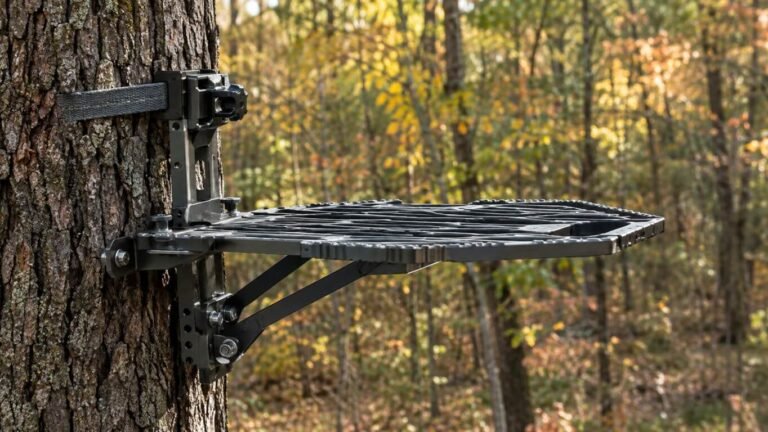
A saddle hunting platform leveling bracket can help address an uneven platform setup, but not every saddle hunter needs a separate bracket. Many modern saddle hunting platforms already include built-in leveling mechanisms, while other designs use a fixed or offset mounting bracket to help position the platform against a tree. The right choice depends on…
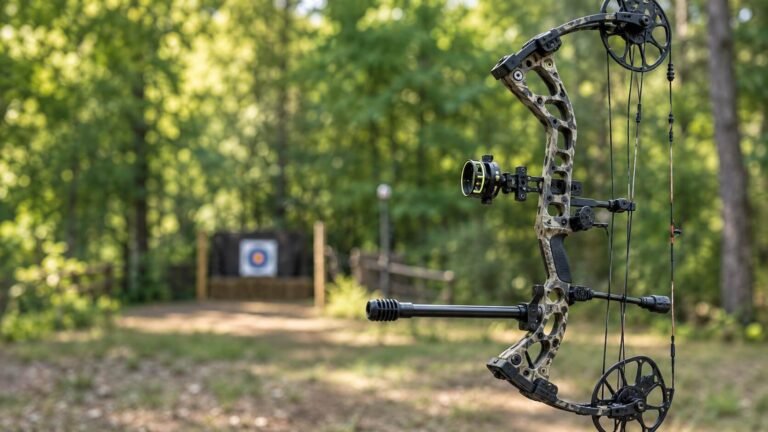
A noisy compound bow can be distracting at the range and undesirable when hunting. The sound may come from normal string vibration, a loose accessory, worn string components, or a bow that needs professional adjustment. Adding more rubber dampeners is not always the right solution. The best way to quiet a compound bow is to…
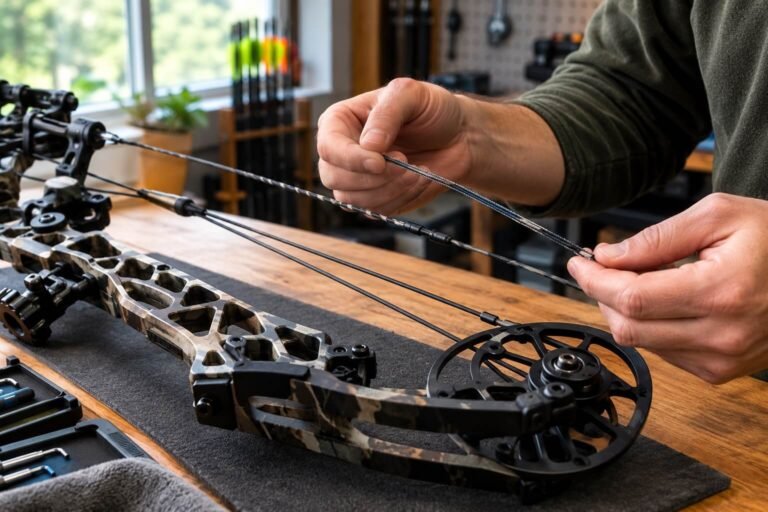
If you have run out of bowstring wax, the safest choice is to use a replacement product specifically formulated for bowstrings and approved for your bowstring material. A substitute is not automatically safe simply because it contains wax. Some traditional archers use pure beeswax on compatible traditional bowstrings, and World Archery identifies natural beeswax as…
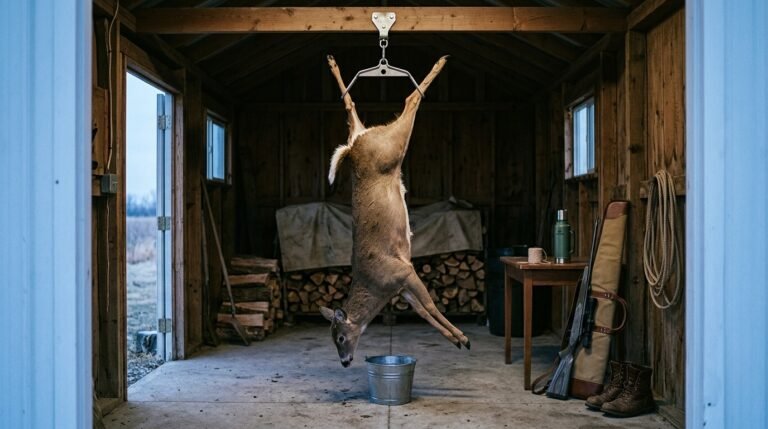
After a successful deer hunt, one of the most important decisions is how soon to process the animal. Hanging a deer can improve venison tenderness and make butchering easier, but only when the carcass is cooled and stored under controlled conditions. So, how long can a deer hang before processing? Under proper refrigerated conditions, a…
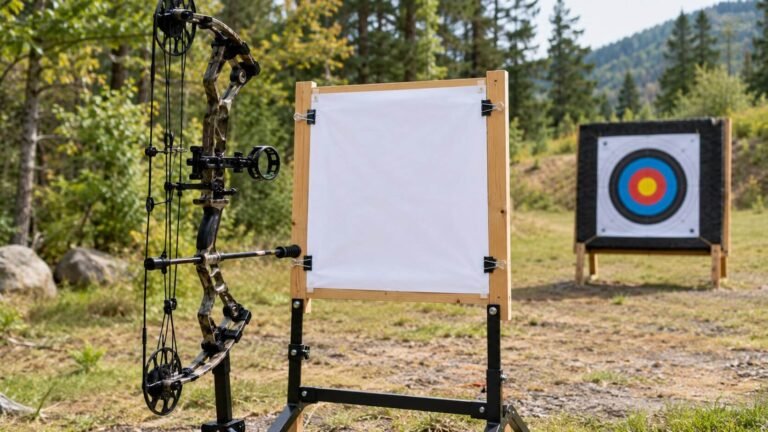
Paper tuning is a useful way to check how an arrow leaves a compound bow. By shooting an arrow through a sheet of paper and examining the tear, you can identify potential arrow-flight problems before moving on to more advanced tuning checks. For bowhunters and target archers, this process can help identify inconsistencies related to…
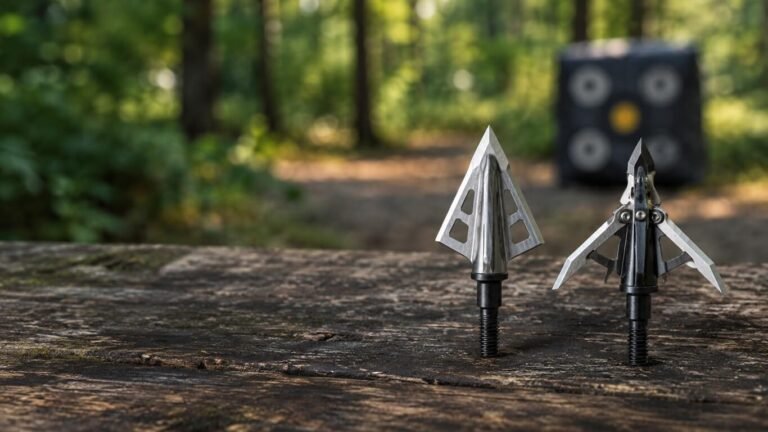
Choosing between fixed-blade and mechanical broadheads is an important decision for bowhunters. Both designs have advantages, but penetration depends on more than blade style alone. Arrow weight, impact speed, cutting diameter, blade geometry, sharpness, and the target material can all influence performance. So, which design penetrates farther: fixed-blade or mechanical broadheads? In this guide, we…
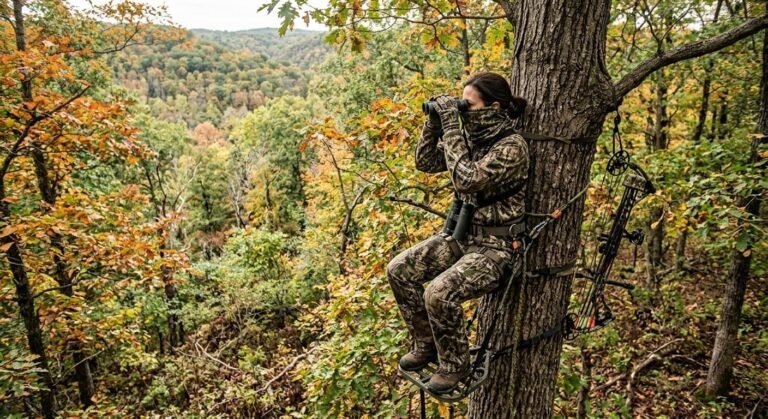
Choosing between saddle hunting and a traditional tree stand can make a real difference when hunting public land. You need a setup that is easy to carry, works in different trees, stays comfortable for long sits, and works in areas where other hunters may be competing for the same locations. For hunters who frequently move…
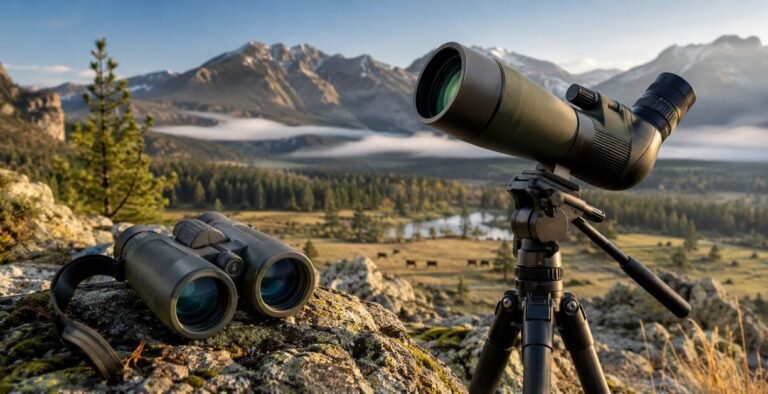
Choosing outdoor optics can quickly become confusing. Binoculars come in configurations such as 8×32, 8×42, 10×42, and 10×50, while spotting scopes may be labeled 15–45×60, 20–60×80, or 20–60×85. Then there are terms such as ED glass, phase correction, dielectric coatings, eye relief, field of view, exit pupil, and close-focus distance. The good news is that…
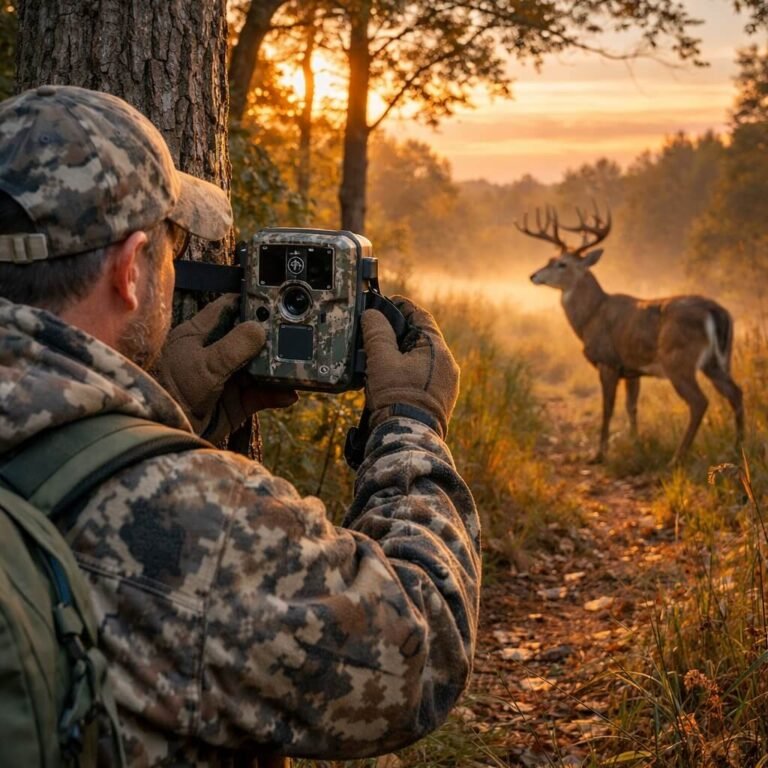
Trail cameras have become one of the most valuable tools for hunters, wildlife enthusiasts, landowners, and conservationists. Whether you’re scouting mature bucks before the season, monitoring turkey activity, keeping an eye on predators, or simply observing wildlife on your property, a quality trail camera provides insights that would otherwise be impossible to gather. Modern trail…
Deer hunting is one of the most rewarding outdoor pursuits, combining patience, preparation, woodsmanship, and ethical decision-making. White-tailed deer populations and habitat management have been extensively studied by the National Deer Association and the U.S. Fish and Wildlife Service, providing much of the scientific foundation behind modern deer management practices. Whether you’re stepping into the…
Hunting is one of the most regulated outdoor activities in the world, and in 2026 the legal landscape is more complex than ever. Hunters should always verify regulations directly with their local wildlife authority, as rules can change annually. Whether you’re hunting in the United States, Canada, Europe, or elsewhere, there is no universal rulebook—laws…
Hunting optics take a beating in the field. Dust, fingerprints, moisture, and debris quickly build up on lenses during a hunt. Many hunters wipe the glass with a sleeve or shirt out of habit. That simple action can slowly scratch the lens coating and reduce clarity. Modern rifle scopes, binoculars, and spotting scopes use delicate…