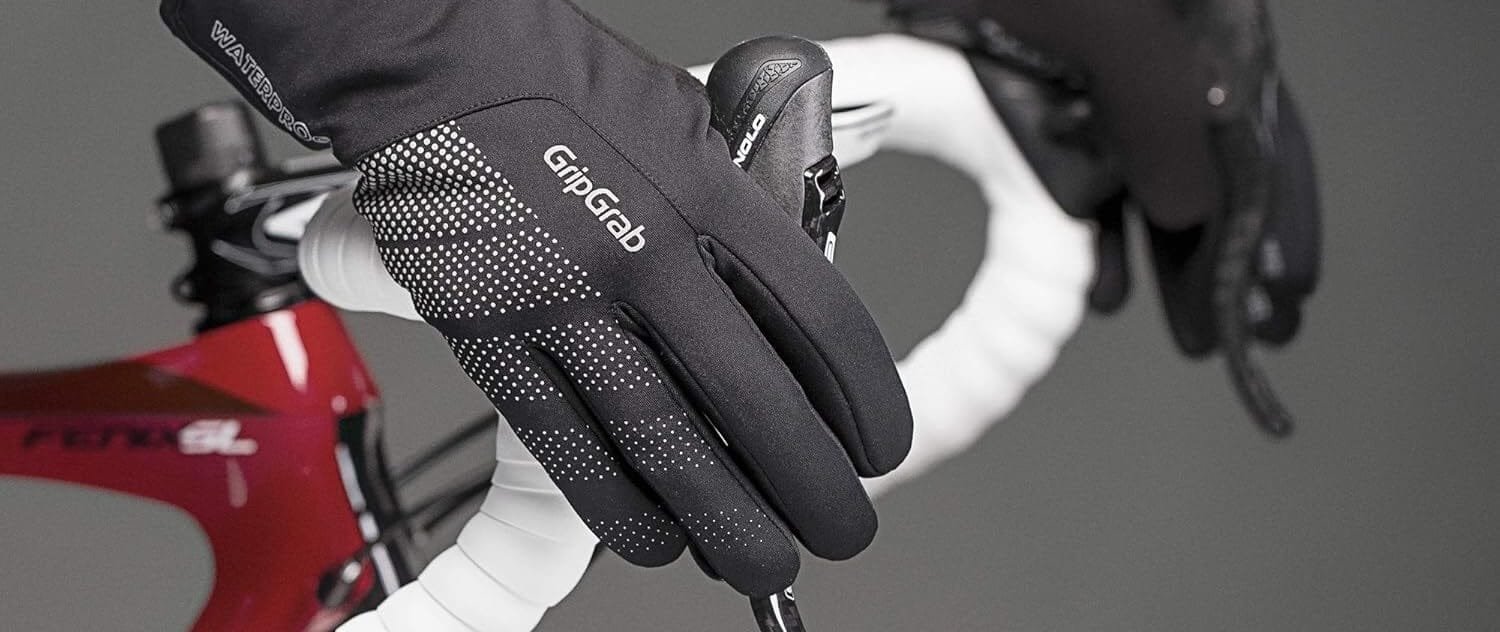
7 Best Winter Mountain Bike Gloves (2026 Tested & Reviewed)

Winter doesn’t have to bring your mountain biking season to an end. With the right gear, cold-weather rides can be just as enjoyable as summer adventures. One of the most important pieces of winter riding equipment is a reliable pair of mountain bike gloves. They protect your hands from freezing temperatures, icy wind, rain, and snow while maintaining the grip and dexterity needed for confident braking and steering.
For this guide, we evaluated today’s leading winter mountain bike gloves by comparing their insulation, weather protection, grip, comfort, breathability, touchscreen functionality, and overall value. We also analyzed manufacturer specifications, rider feedback, and real-world performance reports to determine how each model performs in different winter riding conditions—from chilly morning trail rides to wet, muddy singletrack and near-freezing temperatures.
Whether you’re looking for lightweight gloves for cool autumn rides, waterproof protection for rainy trails, or heavily insulated gloves for sub-freezing adventures, this guide will help you choose the best option for your riding style and local climate. Below, you’ll find our top recommendations, a detailed comparison table, and a complete buying guide to help you make an informed decision.
🧤 Best Winter Mountain Bike Gloves Comparison 2026
Here’s a comprehensive comparison table of the 7 best winter mountain bike gloves:
| Model | Product Image | Waterproof | Insulation | Weight | Touchscreen Compatibility | Temperature Range | Grip Features | Cuff Style |
| Pearl Izumi AmFIB Lite |  | Water Resistant | Medium | Lightweight | Yes | 45°F–60°F (7°C–15°C) | AX® Suede Laredo palm | Slip-on elastic cuff |
| Castelli Estremo | 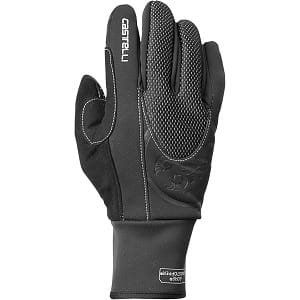 | Water Resistant | Heavy | Midweight | Limited | 23°F–41°F (-5°C–5°C) | Silicone palm print | Extended Velcro cuff |
| 100% Brisker |  | Water Resistant | Light | Lightweight | Yes | 40°F–50°F (4°C–10°C) | Silicone graphics on palm/fingers | Slip-on neoprene cuff |
| Giro Proof 2.0 | 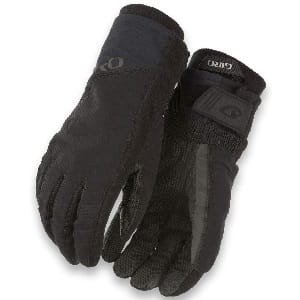 | Water Resistant | Medium-Heavy | Midweight | Yes | 25°F–35°F (-4°C–2°C) | Enhanced grip in wet conditions | Adjustable hook/loop |
| Fox Ranger Fire |  | DWR Water Resistant | Medium | Lightweight | Yes | 35°F–45°F (2°C–7°C) | Silicone fingertip patterns | Slim slip-on cuff |
| Sealskinz All Weather | 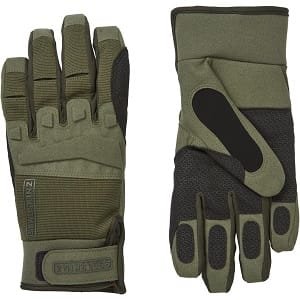 | 100% Waterproof | Medium | Midweight | Yes | 30°F–50°F (-1°C–10°C) | Pressure-point padding | Elasticated wrist |
| Dakine Covert | 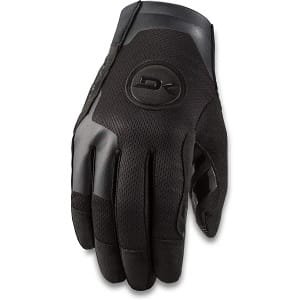 | Water Resistant | Light | Lightweight | Yes | 40°F–50°F (4°C–10°C) | Silicone gripper on fingers/thumb | Slip-on stretch cuff |
Although winter gloves protect your hands from freezing temperatures, a complete cold-weather setup also includes other essential layers like the best MTB gloves for summer for shoulder-season rides when heavy insulation is unnecessary.
Winter Mountain Bike Gloves – At a Glance
We’ve scoured the market to bring you seven of the best winter mountain bike gloves.
- Pearl Izumi AmFIB Lite Gloves – Best for Wet and Windy Rides
- Castelli Estremo Gloves – Best for Extreme Cold
- 100% Brisker Gloves – Best Lightweight Winter Option
- Giro Proof 2.0 Winter Gloves – Best for Versatility
- Fox Ranger Fire Gloves – Best for Trail Performance
- Sealskinz All Weather MTB Gloves – Best for Wet Winter Rides
- Dakine Covert Bike Gloves – Best Lightweight Winter Glove
How We Evaluated the Winter Mountain Bike Gloves
To identify the best winter mountain bike gloves, we compared each model using a consistent set of criteria that matter most to mountain bikers riding in cold-weather conditions.
Each glove was assessed for:
- Cold-weather performance: How well it retains warmth during rides in temperatures ranging from approximately 23°F to 60°F (-5°C to 15°C).
- Wet-weather protection: Resistance to rain, slush, puddles, and muddy trail conditions, including waterproof or water-resistant construction.
- Grip and control: Palm materials, silicone grip patterns, and handlebar traction for confident control on technical terrain.
- Brake and shifter feel: Finger dexterity and tactile feedback for precise braking and gear changes without excessive bulk.
- Comfort on descents: Flexibility, padding, and overall hand comfort during rough trails, long descents, and extended rides.
- Breathability: The ability to release excess heat and moisture during climbs while maintaining warmth.
- Touchscreen usability: Compatibility with GPS devices and smartphones without removing the gloves.
- Fit and cuff design: Wrist coverage, ease of putting the gloves on and off, and how securely the cuffs seal out cold air.
We also compared each glove’s insulation, weight, durability, and value to determine which models are best suited for trail riding, cross-country, enduro, commuting, and all-around winter mountain biking.
1. Pearl Izumi AmFIB Lite Winter Gloves
Tech Specs:
- Material: AmFIB softshell fabric
- Lining: Soft fleece
- Water-Resistance: Yes
- Touchscreen Compatibility: Yes (index and thumb)
- Reflective Accents: Yes
- Grip: Silicone palm
The Pearl Izumi AmFIB Lite Gloves are purpose built for riders facing damp and gusty winter. Made with the brand’s proprietary AmFIB softshell fabric, they deliver impressive windproof and water-resistant performance. This will shield your hands from biting cold and light rain. Despite their robust protection, these gloves remain lightweight and flexible.
The soft fleece lining boosts insulation, keeping your fingers cozy even when temperatures drop near freezing. Designed with a contoured fit and pre-curved fingers, they will reduce bulk and improve dexterity. The silicone grips on the palms enhance traction. Reflective accents add an extra layer of safety for riding in low-light conditions.
The index and thumb are touchscreen-compatible, allowing you to use devices without exposing your hands to the cold. Their balance of protection and breathability prevents overheating during intense rides. Furthermore, their snug cuffs keep out cold air, ideal for wet climates or windy terrains.
Pros:
- Exceptional wind proofing and water resistance
- Pre-curved fit for better handlebar control
- Reflective details improve visibility
- Accessible to anyone
Cons:
- Not suited for heavy rain
- Limited padding for long rides
2. Castelli Estremo Gloves for Extreme Cold
Tech Specs:
- Material: GORE-TEX INFINIUM™
- Lining: Fleece
- Grip: Silicone palm
- Cuff: Extended with Velcro strap
- Reflective Elements: Yes
- Reinforcement: Synthetic leather
When temperatures plummet, the Castelli Estremo Gloves are your ultimate defense. These gloves are designed for extreme cold. They feature a dual-layer construction that combines windproof GORE-TEX INFINIUM™ material on the outer shell with a thick fleece interior for unbeatable warmth. This combination ensures your hands remain dry and insulated, even during snow-covered rides or sub-zero conditions.
The gloves are designed to prioritize comfort and functionality. A longer gauntlet cuff extends over your jacket sleeves to seal out cold air. The adjustable Velcro strap ensures a secure fit. The palm features a silicone grip pattern, which delivers reliable traction on wet or icy handlebars. Also, the durable synthetic leather reinforcement on high-contact areas provides extra protection and enhances longevity.
They’re able to perform under extreme conditions. Whether biking through icy winds or navigating snow-dusted trails, these gloves offer all-day comfort and warmth. The reflective detailing adds visibility in low-light conditions. Although slightly bulky, the gloves make up for it with exceptional warmth, ensuring your hands stay functional and protected even in the most punishing winter environments.
Pros:
- Excellent insulation for extreme cold
- Windproof and water-resistant outer shell
- Secure and adjustable fit
- Reinforced palm for extra durability
- Ideal for sub-zero temperatures
Cons:
- Bulkier than other options
- Limited touchscreen functionality
3. 100% Brisker Lightweight Winter Biking Gloves
Tech Specs:
- Material: Softshell upper, Clarino® palm
- Insulation: Light
- Touchscreen Compatibility: Yes
- Grip: Silicone graphics
- Cuff Style: Slip-on stretch
- Breathability: High
The 100% Brisker Gloves are ideal for riders who want lightweight warmth without sacrificing tactile control. These gloves feature a single-layer Clarino® palm that enhances the bar feel, giving you exceptional control over your bike. Although they are not the warmest on this list, their minimalist design makes them ideal for riders looking for flexibility and deftness over heavy insulation.
The upper layer is constructed with lightly insulated softshell material that blocks cold winds and allows heat to escape, preventing sweaty hands during long rides. Stretch cuffs provide a snug fit without needing adjustment, making them easy to slip on and off. The thumb and index finger are touchscreen-compatible, so you can check your phone or GPS on the go without removing your gloves.
With a clean, low-profile design, the Brisker Gloves also feature silicone graphics on the palm and fingers. Their weightless nature makes them a great choice for fast-paced rides where agility and control are key. Although they won’t cut it in extreme cold, they shine in brisk, early-winter conditions.
Pros:
- Slim and flexible
- Excellent handlebar feel
- Touchscreen-compatible
- Great for mild winter rides
- Easy to put on and remove
Cons:
- Not suitable for extreme cold
- Limited insulation
4. Giro Proof 2.0 Versatile Winter MTB Gloves
Tech Specs:
- Material: Windproof outer shell with Polartec® Power Dry® lining
- Palm Material: AX Suede Echo Diamond
- Touchscreen Compatibility: Yes
- Grip: Enhanced, even in wet conditions
- Reflective Accents: Yes
- Cuff Style: Adjustable
The Giro Proof 2.0 Winter Gloves are a perfect blend of warmth, protection, and versatility, designed to handle everything from frigid mountain trails to brisk urban commutes. These gloves feature a three-layer construction, combining a windproof and water-resistant outer shell with an ultra-soft Polartec® Power Dry® fleece lining for enhanced comfort and insulation. This layering system traps heat effectively and wicks away moisture.
The AX Suede Echo Diamond palm material offers an exceptional grip on handlebars, even in wet conditions. The gloves also contain touchscreen-compatible fingertips and reflective detailing on the exterior.
The adjustable cuff closure system ensures a snug fit and prevents cold air from seeping in. Their ultralight design avoids bulk, providing excellent agility for gear shifts and brake control.
Pros:
- Versatile for a range of winters
- Excellent grip in all weather
- Lightweight yet warm
- Adjustable cuffs for a secure fit
Cons:
- Limited extreme cold insulation
- Slightly bulky for smaller hands
5. Fox Ranger Fire Gloves for Mountain Biking
Tech Specs:
- Material: Polyester outer with DWR coating
- Palm Material: AX Suede
- Lining: Brushed fleece
- Touchscreen Compatibility: Yes
- Grip: Silicone fingertip patterns
- Cuff Style: Slim
For riders desiring durability and grip during technical winter rides, the Fox Ranger Fire chould be an exceptional choice. These gloves are formed for trail lovers who demand protection and control in cold-weather conditions. The palm is constructed from water-resistant AX Suede, providing superior grip even on muddy or wet handlebars. The brushed fleece lining keeps your hands warm without adding unnecessary bulk.
The exterior features a durable polyester shell that resists wear and tear from aggressive riding. Its durable Water Repellent Coating provides additional protection against light rain and splashes. The gloves also feature a slim cuff design that fits comfortably under jacket sleeves. This will reduce bulk and maintain a sleek look.
With silicone grip patterns on the fingertips and strategic reinforcements on high-wear areas, the Fox Ranger Fire Gloves are built for performance. They shine during intense trail sessions and offer excellent bar control. Their robust design makes them ideal for riders tackling challenging terrains in cold weather.
Pros:
- Rugged and durable for trail use
- Warm fleece lining without bulk
- Excellent grip and bar control
- Fits well under the sleeves
Cons:
- Not suitable for heavy rain or snow
- Limited reflective elements
6. Sealskinz Waterproof All Weather MTB Gloves
Tech Specs:
- Material: Waterproof three-layer construction
- Palm Material: Silicone grip with padding
- Lining: Soft and warm interior
- Waterproofing: 100% waterproof
- Reflective Elements: Yes
- Fit: Pre-curved fingers
The Sealskinz Waterproof All Weather MTB Gloves can tackle wet and cold conditions pretty well, making them ideal for winter cyclists who refuse to let rain or snow dampen their adventures. Featuring a three-layer construction, these gloves combine a waterproof and windproof membrane with a soft inner lining to deliver unmatched protection against harsh weather.
The palms are equipped with pressure-point padding and a grippy silicone surface, ensuring comfort and control during extended rides. The gloves are also durable, thanks to their abrasion-resistant outer layer, which withstands the rigors of aggressive trail riding. With pre-curved fingers, these gloves offer a natural fit to reduce fatigue and enhance control over the handlebars.
Their waterproofing rating is remarkable. Even in heavy rain or snow, your hands will stay dry. Although slightly bulkier than other gloves on this list, the Sealskinz All Weather MTB delivers unparalleled performance to riders who prioritize protection over minimalism.
Pros:
- Superior waterproofing for wet rides
- Durable and abrasion-resistant
- Comfortable padding for long rides
- Excellent grip on slippery surfaces
- Reflective detail
Cons:
- Slightly bulky design
- Not the warmest option for extreme cold
7. Dakine Covert Lightweight Winter Bike Gloves
Tech Specs:
- Material: Synthetic suede palm, breathable back
- Insulation: Light
- Grip: Silicone palm and fingers
- Touchscreen Compatibility: Yes
- Cuff Style: Stretch
- Durability: Reinforced stitching
We conclude our list with the Dakine Covert Bike Gloves, offering flexibility for mild winter rides. These gloves are built with a durable synthetic suede palm that delivers outstanding grip and control, making them perfect for technical riders who prioritize precision. The back of the hand features a lightly insulated, breathable material that blocks out wind while keeping your hands from overheating during intense rides.
The low-profile design ensures a natural feel, with stretch cuffs that provide a snug fit and make them easy to slip on and off. These gloves are ideal for moderate winter conditions, where heavy insulation isn’t necessary but protection from wind and cold is still required.
Despite their lightweight nature, the Dakine Covert Bike Gloves are built to last. The reinforced stitching on high-wear areas ensures they can handle frequent use. The silicone grips on the fingers and palms provide reliable traction in wet or dry conditions.
Pros:
- Excellent grip and handlebar feel
- Long-lasting construction
- Good value for the money
- Perfect for mild winter conditions
Cons:
- Not suited for extreme cold or wet weather
- Minimal padding
Quick Recommendations
| Need | Best Choice |
| Extreme Cold | Castelli Estremo |
| Wet Weather | Sealskinz |
| Best Value | Fox Ranger Fire |
| Lightweight | 100% Brisker |
| Trail Riding | Giro Proof 2.0 |
Winter MTB Gloves vs. Regular Cycling Gloves
Although they look similar, winter mountain bike gloves are specifically designed to handle cold temperatures, wet trails, and rough terrain. Regular cycling gloves prioritize ventilation and flexibility for warm-weather riding, making them less effective once temperatures drop.
| Feature | Winter MTB Gloves | Regular Cycling Gloves |
| Insulation | Moderate to heavy insulation | Minimal or none |
| Weather Protection | Water-resistant or waterproof | Limited weather protection |
| Wind Resistance | Windproof outer fabrics | Not designed for cold wind |
| Grip | Enhanced grip for wet conditions | Optimized for dry rides |
| Temperature Range | Approximately 23°F–60°F (-5°C–15°C) | Typically above 55°F (13°C) |
| Best Use | Winter trails, snow, rain, mud | Spring, summer, and indoor riding |
If you regularly ride in temperatures below 45°F (7°C), dedicated winter mountain bike gloves provide significantly better warmth, weather protection, and control than standard cycling gloves.
Winter MTB Gloves vs. Regular Cycling Gloves
Although they look similar, winter mountain bike gloves are specifically designed to handle cold temperatures, wet trails, and rough terrain. Regular cycling gloves prioritize ventilation and flexibility for warm-weather riding, making them less effective once temperatures drop.
| Feature | Winter MTB Gloves | Regular Cycling Gloves |
| Insulation | Moderate to heavy insulation | Minimal or none |
| Weather Protection | Water-resistant or waterproof | Limited weather protection |
| Wind Resistance | Windproof outer fabrics | Not designed for cold wind |
| Grip | Enhanced grip for wet conditions | Optimized for dry rides |
| Temperature Range | Approximately 23°F–60°F (-5°C–15°C) | Typically above 55°F (13°C) |
| Best Use | Winter trails, snow, rain, mud | Spring, summer, and indoor riding |
If you regularly ride in temperatures below 45°F (7°C), dedicated winter mountain bike gloves provide significantly better warmth, weather protection, and control than standard cycling gloves.
Buying Guide: How to Choose the Best Winter Mountain Bike Gloves
Understanding the features below will help you choose the right pair for your riding style and local climate.
Windproof vs. Waterproof
Windproof and waterproof are often confused, but they serve different purposes.
- Windproof: Windproof gloves block cold air from penetrating the outer fabric, making it ideal for dry winter rides and fast descents where wind chill is the biggest challenge. These gloves are usually lighter and more breathable.
- Waterproof: Waterproof gloves use a membrane or treated outer shell to prevent rain, slush, and melting snow from soaking through. They provide better protection in wet conditions but can sometimes sacrifice a small amount of breathability.
If you mostly ride in dry, cold weather, a windproof glove is all you need. For regions with frequent rain or snow, a waterproof model is the better investment. However, wearing waterproof gloves with the best waterproof mountain bike jackets can create a more complete defense against wet winter trail conditions.
Neoprene vs. Softshell Materials
The outer fabric significantly affects warmth, flexibility, and weather resistance.
- Neoprene offers excellent protection against cold wind and light rain but still remain flexible enough for technical trail riding. It’s commonly found in gloves designed for wet conditions.
- Softshell fabrics combine wind resistance with better breathability and comfort. They’re generally lighter, stretch more naturally, and are ideal for riders who generate a lot of body heat during climbs.
Both materials perform well, but softshell gloves usually provide better all-day comfort, while neoprene excels in damp, windy conditions.
Merino Wool Liner Compatibility
Some riders benefit from wearing thin liner gloves underneath their winter gloves during extremely cold rides. Merino wool is an excellent liner material because it naturally regulates temperature, manages moisture, and remains comfortable even when slightly damp. Synthetic liners are another lightweight option for improving warmth without adding excessive bulk.
If you regularly ride below freezing, consider choosing gloves with enough room to accommodate a thin liner while maintaining good handlebar control.
Choosing the Right Cuff Length
The cuff plays an important role in keeping cold air, rain, and trail debris away from your wrists.
- Short cuffs are lightweight and pair well with jackets that have extended sleeves.
- Extended cuffs provide extra protection by overlapping with your jacket and sealing out wind and snow.
- Adjustable cuffs allow you to fine-tune the fit for different weather conditions.
The right cuff depends largely on your riding environment and outerwear.
Palm Padding and Comfort
Palm padding reduces hand fatigue by absorbing vibrations from rocky trails and rough terrain.
Light padding offers excellent handlebar feel and is preferred by cross-country riders, while moderate padding provides additional comfort during long trail rides. Excessive padding can reduce precision when braking or shifting, so most mountain bikers prefer a balanced design rather than maximum cushioning.
“Along with gloves, properly cushioned with best padded bike shorts can reduce fatigue and improve comfort on extended trail sessions.”
Grip Materials
Grip is essential for maintaining control on wet roots, muddy trails, and technical descents. Look for palms made from durable synthetic suede or textured materials with silicone grip zones on the fingers and palm. These features improve traction on the handlebars without making the gloves feel bulky or restrictive.
A secure grip becomes especially important when riding in rain or wearing wet gloves. Winter riding often involves low light, changing weather, and unpredictable trail conditions. Protective photochromic cycling glasses can help riders maintain clearer vision as daylight conditions change.
Touchscreen Technology
Many modern winter mountain bike gloves include conductive fingertips that allow you to operate smartphones, cycling computers, and GPS devices without exposing your hands to the cold. Keep in mind that touchscreen performance varies between models. Gloves with conductive material on both the thumb and index finger generally provide the most reliable operation.
Breathability Matters on Long Rides
Warm gloves are important, but overheating can be just as uncomfortable as cold hands. During long climbs, your hands naturally produce heat and perspiration. Gloves with breathable fabrics or moisture-wicking liners help release excess heat, reducing sweat buildup that can leave your hands feeling cold during descents.
For riders who tackle long climbs followed by fast downhill sections, choosing a glove that balances insulation with ventilation often provides better all-day comfort than simply selecting the warmest model available.
Grip and Control
Maintaining a firm grip on the handlebars is crucial in winter conditions. Gloves with silicone grips or suede-like materials provide traction even in wet conditions. Ensure the gloves allow easy control of brakes and gears without feeling bulky. Pre-curved designs often improve fit and handling.
Riders should also consider footwear designed for secure pedal connection, such as the MTB shoes for flat pedals, especially when riding wet roots, rocks, and slippery winter trails.
Layering Gloves for Sub-Zero Riding
When temperatures fall below freezing, a single pair of gloves may not provide enough insulation during long rides. Layering allows you to stay warm while maintaining dexterity.
For the best results:
- Start with a thin merino wool or synthetic liner glove to wick moisture away from your skin.
- Add an insulated winter mountain bike glove as the outer layer for wind and water protection.
- Avoid bulky combinations that reduce brake feel or make shifting difficult.
- Make sure the outer glove isn’t overly tight, as restricted circulation can make your hands feel colder.
- Carry a spare pair of dry liner gloves on longer rides in case the first pair becomes damp from sweat.
Layering works best for bikepacking, fat biking, alpine trails, and rides below approximately 25°F (-4°C).
Common Mistakes Riders Make When Choosing Winter MTB Gloves
Even premium gloves won’t perform well if you choose the wrong type. Avoid these common mistakes:
- Buying Gloves That Are Too Tight
- Ignoring Waterproof Protection
- Using Ski Gloves for Mountain Biking
- Wearing Cotton Liner Gloves
- Overlooking Breathability
Aggressive trail and enduro riders should consider additional protection, including the Top-Rated chest protectors and MTB knee pads with hard shell protection, especially for technical descents.
FAQs: Winter Mountain Bike Gloves
Are waterproof gloves necessary for winter riding?
Waterproof gloves are essential if you frequently ride in wet or snowy conditions. They keep your hands dry, preventing cold water or snow from making your hands numb. However, if you primarily ride in dry but cold environments, water resistance or windproof gloves with good insulation may suffice.
Can I use ski gloves for winter mountain biking?
Although ski gloves provide warmth, they do not offer the dexterity and grip needed for controlling mountain bike handlebars. They can feel bulky, making it harder to shift gears or brake effectively. Mountain bike gloves are designed with thinner palms and specialized materials for better bar feel and control.
How do I maintain and clean winter bike gloves?
Check the manufacturer’s instructions, but generally, you can hand wash or machine wash most gloves in cold water with mild detergent. Avoid using fabric softeners or bleach, as they can damage waterproof coatings. Let the gloves air dry completely before using them again—avoid placing them near direct heat sources like radiators.
Are all winter gloves compatible with handlebar grips?
No, not all gloves offer the same level of compatibility with handlebar grips. Look for gloves with materials like AX Suede or silicone overlays on the palms and fingers for optimal grip. Gloves without these features may slip or reduce control, especially in wet or muddy conditions.
How can I prevent my hands from sweating in winter gloves?
Sweating in gloves occurs when they lack breathability. Choose gloves made from materials with moisture-wicking properties, such as Polartec® or similar breathable fabrics. Additionally, gloves with venting or temperature-regulating features can help keep your hands dry.
Can I wear liners with winter mountain bike gloves?
Yes, wearing liners under your gloves can provide extra warmth, especially in extreme cold. Ensure your gloves are roomy enough to adapt liners without compromising comfort or dexterity. Some winter gloves are designed with integrated liner compatibility for this purpose.
Conclusion
Winter mountain biking presents unique challenges, but the right pair of gloves can transform your rides, ensuring comfort, warmth, and full control in even the harshest conditions. When choosing your gloves, prioritize the features that matter most for your specific riding environment. Gear up, stay warm, and enjoy the thrill of mountain biking, no matter how cold the season gets. With the right gloves, the possibilities on the trail are endless!