Backpack Hunting Gear List: 15 Essentials for the Backcountry

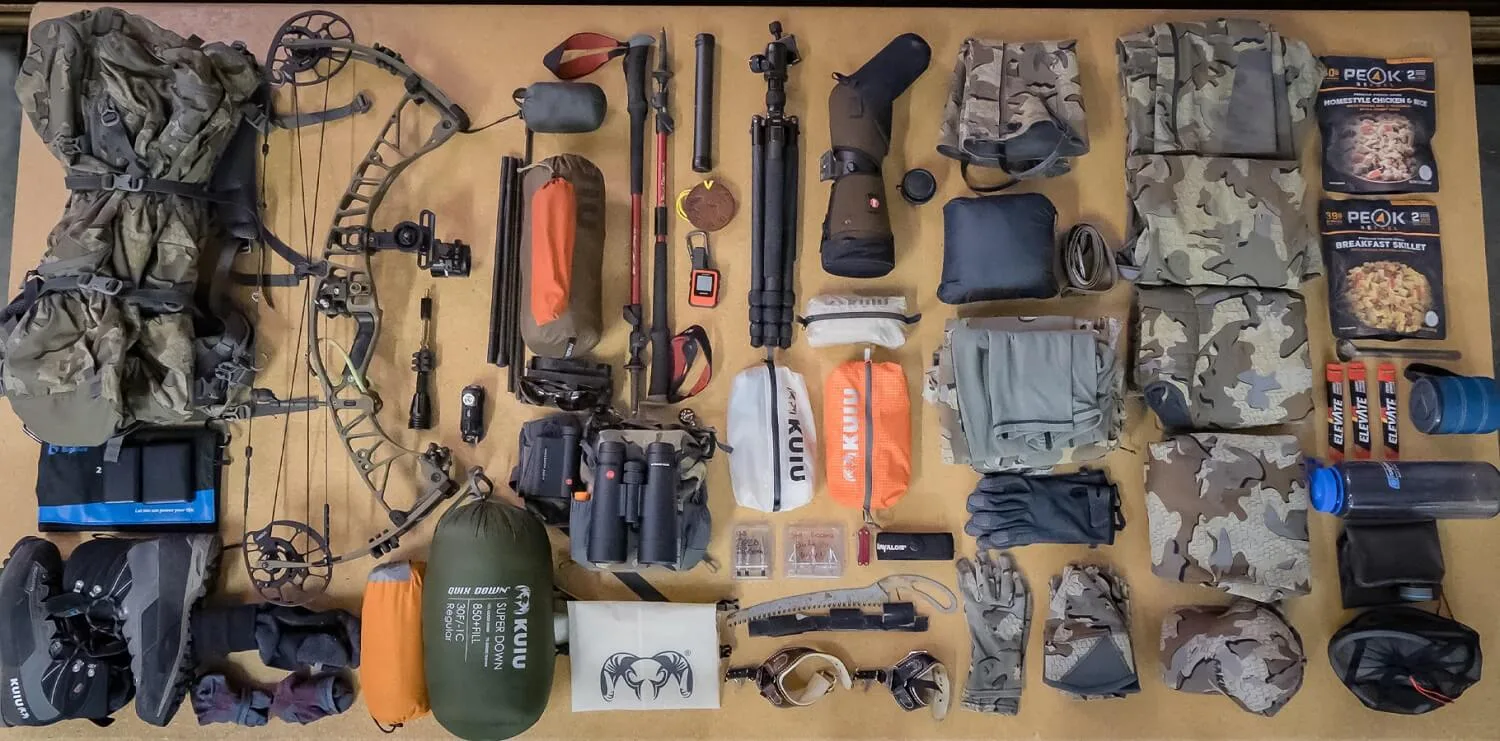
Backpack hunting is more than just chasing game—it’s about embracing the challenge of living and moving through the backcountry. Unlike day hunts, where your main focus is tracking and spotting animals, backpack hunting demands a different level of preparation. Every item you carry matters, and striking the right balance between necessity and weight is a skill in itself. Bring too much, and you’ll find yourself slowed down; bring too little, and you risk being unprepared when it counts. That’s why having a clear, well-thought-out packing strategy is so important.
This guide walks you through a complete backpack hunting gear list, giving you the tools and knowledge to plan smarter. With the right essentials in your pack, you can head into the wilderness with confidence—ready for both the pursuit of game and the demands of the backcountry—while staying comfortable and setting yourself up for success.
Best Backpack Hunting Gear: Comparison Table
If you’re comparing backpack hunting gear before your next backcountry trip, this quick-reference table highlights the main products featured in this guide. Use it to compare the intended use and practical advantages of each item before making a purchase.
| Gear | Product | Best Use | Key Pros | Check Price |
|---|---|---|---|---|
| Hunting Backpack | ALPS OutdoorZ Commander | Multi-day hunts & heavy loads | Large capacity, durable construction, designed for hauling hunting gear | View Price → |
| Shelter | Rhino Blinds R75 | Stationary hunting setups | Quick setup, portable design, useful for ground-hunting situations | View Price → |
| Sleeping Bag | Deer Hunter Canvas Sleeping Bag | Cold-weather hunting camps | Warm sleeping system, suitable for hunters who prioritize insulation | View Price → |
| Hunting Clothing | SHE Outdoor Insulated Jacket | Cold-weather hunts | Added insulation, useful as part of a layered clothing system | View Price → |
| Navigation | GPS / Navigation Tool | Backcountry navigation | Helps with route planning, location tracking, and staying oriented | View Price → |
| Cooking Gear | ELK Camping Cookware Stove Set | Multi-day backcountry trips | Compact cooking setup, convenient for preparing meals at camp | View Price → |
| Water System | 2-Liter Leak-Proof Water Reservoir | Hydration on long hikes | Portable water storage, useful for carrying water between refill points | View Price → |
| Emergency Gear | Lifeline Hard-Shell Foam First Aid Kit | Backcountry emergencies | Compact first-aid solution for treating common injuries in the field | View Price → |
| Game Processing | CELTIBERO Premium Survival Knife | Field processing | Useful for general field-processing tasks and compact enough for a hunting pack | View Price → |
Buying tips: Don’t choose backpack hunting gear based on price or weight alone. Consider how often you’ll use the item, how it performs in your expected conditions, how much space it takes in your pack, and whether it adds enough practical value to justify carrying it. If you’re planning a backcountry deer hunt, it also helps to review the ultimate deer hunting guide for additional advice on preparation, gear, and hunting strategy.
Backpack Hunting Gear List Essentials for the Backcountry
Below, you’ll find detailed breakdowns of each item to help you choose the best options for your next backcountry adventure.
1. A Good Hunting Backpack
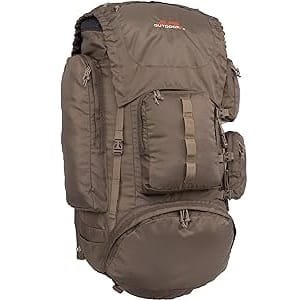
Your backpack is arguably the most important piece of equipment on a multi-day hunt. It should have a capacity of 3,500–6,500 cubic inches, depending on the length of your hunt and the gear you plan to carry. A well-designed backpack with adjustable straps, a sturdy frame, and excellent weight distribution can significantly reduce fatigue during long treks. It’s also essential to consider its durability, as it will endure rough terrain and heavy loads. Popular options include the Mystery Ranch Metcalf and the Stone Glacier Sky 5900, both known for their reliability and comfort.
2. Reliable Shelter System
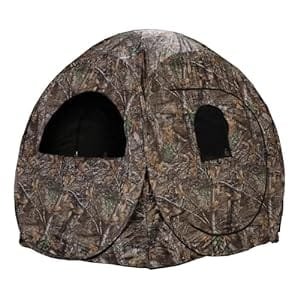
A reliable shelter is crucial for staying protected from the harsh weather during your hunt. Lightweight one-person tents, bivy sacks, or tarps are common choices, depending on your preference and the terrain. Look for waterproof, durable materials that are well-ventilated to ensure comfort and safety. Whether you’re new to hunting or a seasoned pro, RHINO Blinds are a great choice. Their easy setup and takedown ensure a hassle-free experience.
3. Sleep System or Quilt
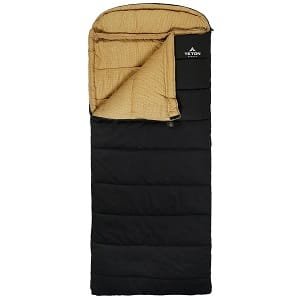
Sleep is essential for recovering energy after a demanding day in the backcountry. A sleeping bag with a temperature rating of 20°F or lower is ideal for most hunting environments, as temperatures can drop significantly at night. Down-filled bags are lighter and more compressible, but synthetic options perform better in wet conditions. Pair your sleeping bag with an inflatable sleeping pad for insulation and comfort. Choose a model that provides an excellent balance of weight and warmth. And this is the only thing that makes it a sleeping bag for winter hunters.
4. Right Clothing Layers

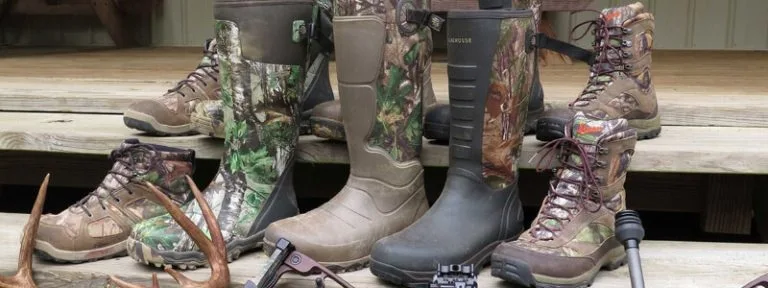
Layering your clothing is vital for adapting to changing weather in the wilderness. Start with moisture-wicking base layers made of merino wool or synthetic materials to regulate body temperature and keep sweat at bay. Add an insulation layer, such as a lightweight puffy jacket, for warmth, and top it off with a waterproof and windproof outer shell for protection against rain and wind. Layering not only ensures comfort but also allows you to adjust your clothing as needed throughout the day.
5. Hunting Gear Weapon
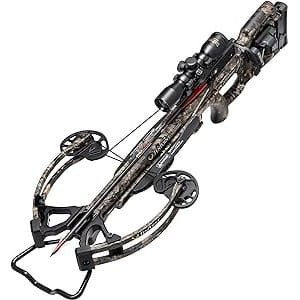
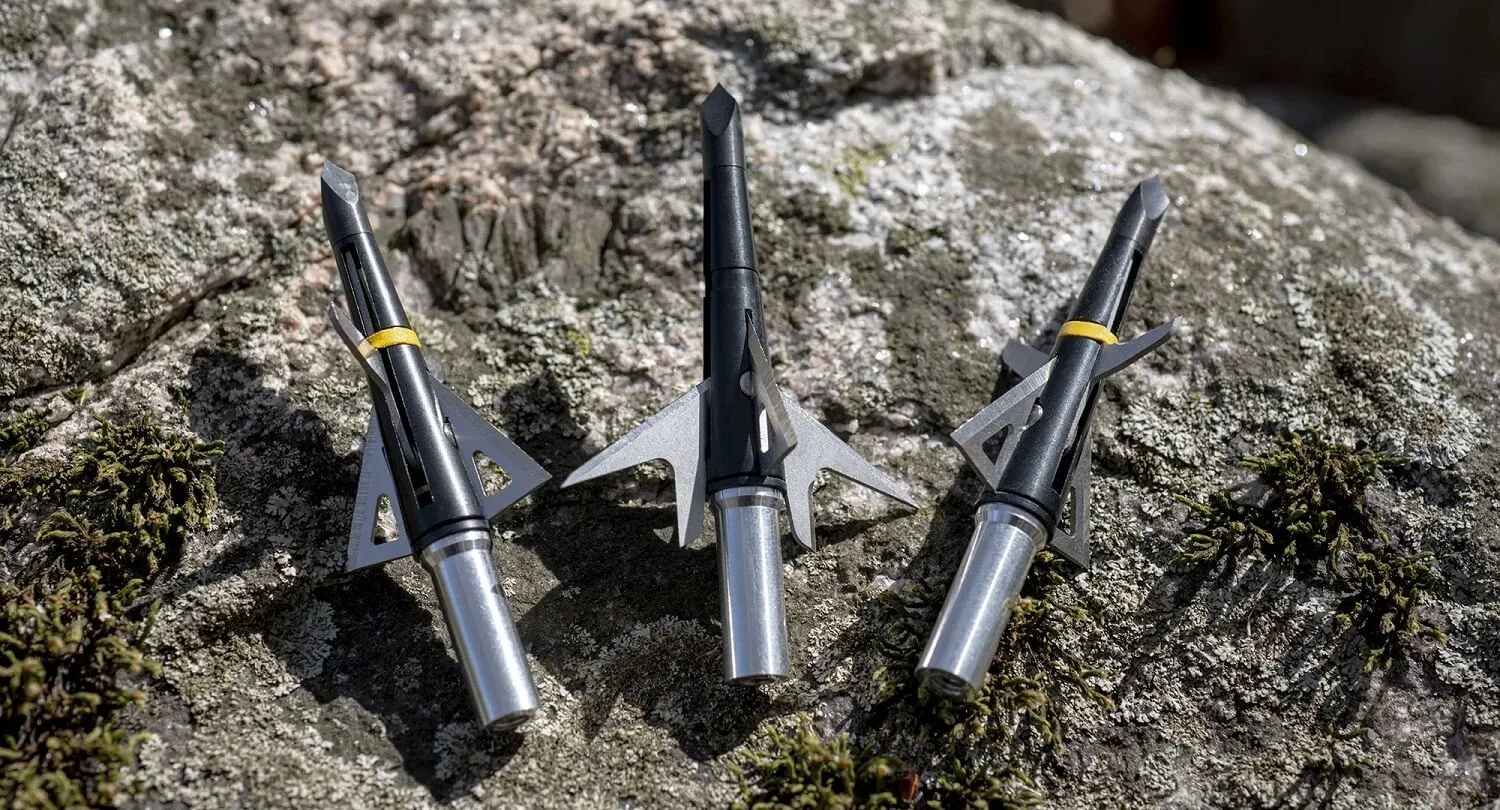
The core of your backpack hunting gear list revolves around your weapon and hunting tools. Whether using a rifle, bow, or muzzleloader, make sure it is suitable for your target species and hunting environment. Carry extra ammunition or arrows, but be mindful of their weight. Optics, including binoculars and rangefinders, are indispensable for spotting game from a distance and improving accuracy. High-quality optics, such as Vortex Diamondback binoculars or a Leupold rangefinder, enhance your hunting efficiency.
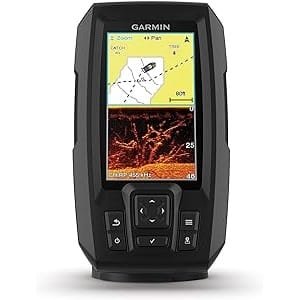
Getting lost in the backcountry is a risk no hunter should take lightly. A GPS device, topographic maps, and a reliable compass are must-haves for navigation. While GPS technology is convenient, maps and a compass provide a fail-safe option in case your device runs out of battery. Marking key locations like game trails, water sources, and your campsite helps you stay oriented and focused during your hunt.
7. Food and Cooking Gear
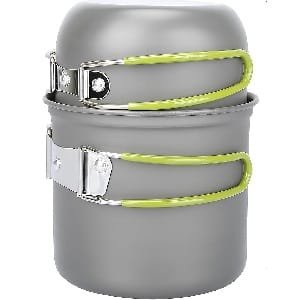
Proper nutrition is vital for maintaining energy during a hunt. Pack lightweight, calorie-dense meals such as freeze-dried foods, energy bars, nuts, and jerky. These options provide essential nutrients without adding excessive weight. For cooking, a compact stove is efficient and easy to use. Don’t forget to carry enough fuel, a lightweight pot, and utensils. Organize your food to minimize bulk and make sure easy access during your trip.
“When hunting in bear country, food storage deserves extra attention. A secure bear-resistant container can help keep food and scented items contained while you’re away from camp.”
8. Water System for Emergencies

Hydration is critical for maintaining stamina and preventing fatigue. For flexibility, carry a combination of hydration bladders and collapsible water bottles. A filtration system allows you to refill from natural water sources safely. In arid regions where water is scarce, consider carrying a larger water reservoir to ensure an adequate supply.
9. Emergency and Survival Gear
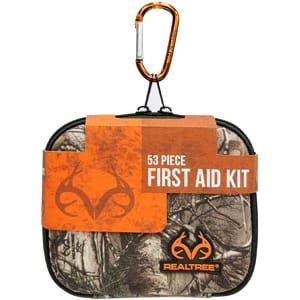
Unexpected situations can arise at any time in the wilderness, making survival gear essential. A first aid kit should include bandages, antiseptics, and any personal medications. Fire starters, an emergency blanket, a multitool, and a headlamp with spare batteries are equally important for handling emergencies. These items are small but invaluable for ensuring your safety in challenging conditions.
10. Game Processing Gear
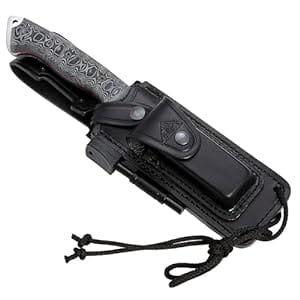
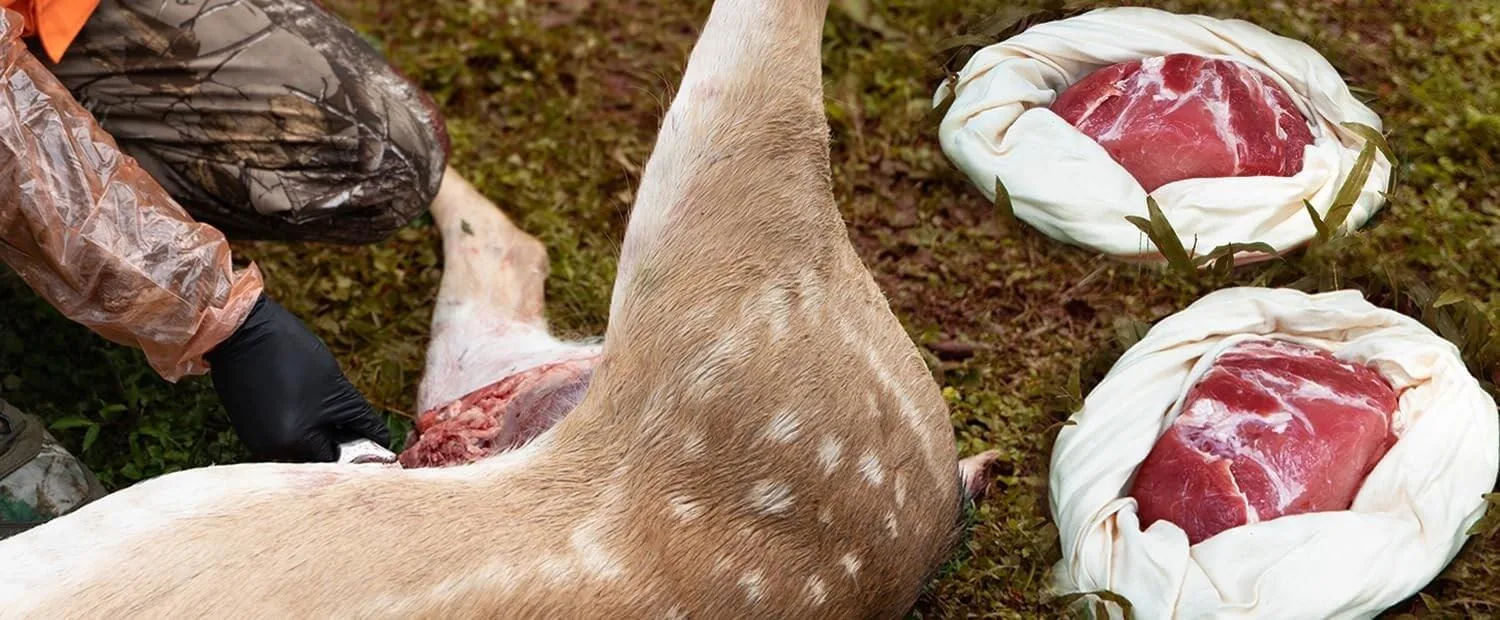
Processing your game in the field is a key aspect of backpack hunting. Lightweight game bags are essential for storing meat while keeping it clean and protected. Field knives, such as the CELTIBERO Premium and high-quality bone saw simplify the process of skinning and quartering. Prioritize tools that are easy to handle and maintain, as efficiency is crucial during this stage of the hunt.
The Essential Gear That Never Leaves My Hunting Pack
Several small items can enhance your hunting experience:
- Trekking poles provide stability on uneven terrain and help conserve energy.
- A rain cover protects your backpack, and gear from getting wet.
- A repair kit is indispensable for fixing equipment on the go.
These seemingly minor additions can significantly affect your overall comfort and preparedness.
Conclusion
Backpack hunting is a challenging yet deeply rewarding pursuit that tests your skills, endurance, and preparedness. Investing in a long-lasting, lightweight, and functional backpack hunting gear list ensures you’re well-equipped to face the wilderness. Use this guide as a foundation to customize your packing list based on the specific hunt, terrain, and weather conditions you’ll encounter. Careful planning and the right equipment will significantly enhance your comfort and increase your chances of a successful hunt.
Best Backpack Hunting Gear Buying Guide
Choosing backpack hunting gear is less about buying the most expensive equipment and more about building a system that matches your hunt. Before purchasing anything, consider the trip length, expected weather, terrain, available water, and how much weight you can comfortably carry.
A good buying strategy helps you avoid unnecessary equipment while making sure the items you depend on are reliable when you are far from the trailhead.
Choose Gear Based on Hunt Length
The amount of equipment you need changes significantly with the length of your backcountry hunt. A short overnight or weekend trip usually requires less food, fuel, and clothing than a five-day or longer expedition. Longer hunts also require more careful planning for resupply, water, shelter, and meat transportation.
For a 1–2 day hunt, focus on a compact setup with only the essentials. For a 3–5 day hunt, additional food, fuel, clothing, and backup equipment become more important. Extended trips require greater attention to pack organization and weight because even small increases can become noticeable after several days of hiking.
Set a Realistic Pack Weight
Weight should be one of the first factors you consider when comparing backpack hunting equipment. Every individual item may seem light, but the combined weight of shelter, clothing, food, water, hunting equipment, and emergency supplies can add up quickly.
Instead of focusing only on the advertised weight of individual products, consider your complete packed system. Create a gear list and record the weight of each item before your trip. This makes it easier to identify equipment that provides little value for its weight.
“A lightweight setup is useful, but reducing weight should not mean sacrificing equipment that is important for safety, warmth, navigation, or weather protection.”
Match Your Gear to the Terrain and Weather
Backcountry conditions can vary considerably depending on elevation, season, and location. Gear that works well during a mild early-season hunt may not be appropriate for a cold-weather mountain hunt.
Before buying equipment, consider the lowest expected temperature, precipitation, wind, elevation, and the amount of exposure you are likely to encounter. Wet environments require greater emphasis on water-resistant storage and dependable weather protection, while cold conditions can increase the amount of insulation and clothing you need to carry.
The goal is to build a setup around the conditions you are actually likely to encounter rather than relying on a generic gear list.
Consider Pack Capacity Carefully
Backpack capacity should be based on the volume of equipment you need rather than simply choosing the largest pack available. A pack that is too small can make organization difficult, while an unnecessarily large pack can encourage you to carry extra equipment.
For shorter trips, a smaller-capacity hunting pack may be sufficient. Multi-day hunts generally require more room for food, clothing, shelter, and other equipment. If you expect to transport meat after a successful hunt, also consider the pack’s load-hauling design and how it handles heavier loads.
Remember that the required capacity depends on more than trip length. Cold-weather equipment, bulky shelter systems, food storage requirements, and your personal packing style can all increase the space you need.
Think About Durability Before Saving Weight
Ultralight equipment can reduce the burden on long hikes, but durability still matters in rugged hunting environments. Equipment may be exposed to rocks, branches, rain, mud, sharp vegetation, and repeated loading and unloading.
When comparing similar products, look at the materials, construction, closures, stitching, frame design, and warranty rather than considering weight alone. For equipment that you expect to use repeatedly, a small increase in weight may be worthwhile if it provides better durability and reliability.
Prioritize Equipment by Importance
A useful way to build a backpack hunting setup is to divide your equipment into three categories:
- Essential: Equipment required for safety, shelter, navigation, hydration, food, and the hunt itself.
- Useful: Items that improve comfort, efficiency, or convenience but are not always necessary.
- Optional: Items that may be helpful for specific hunting styles, personal preferences, or particular conditions.
This approach makes it easier to reduce pack weight without removing something important. If an item does not provide a clear benefit for the specific hunt, consider whether it needs to come along.
Plan for the Pack-Out
One of the biggest differences between ordinary backpacking and hunting is that the load can increase substantially after a successful harvest. When comparing hunting packs, think beyond the weight you will carry at the beginning of the trip.
A pack should remain stable and manageable when loaded heavily. Look for a design that allows you to distribute weight properly and accommodate additional loads without making the pack difficult to control.
Planning for the pack-out before the hunt also helps you decide which equipment is worth carrying into the backcountry.
Test Your Setup Before the Hunt
Never wait until the first day of a backcountry hunt to discover that your equipment does not work well together. Load your complete pack at home and walk with it before the trip.
Use this test to identify uncomfortable straps, poor weight distribution, difficult-to-access equipment, or unnecessary items. Practice setting up your shelter, organizing your sleeping system, using your navigation equipment, and accessing frequently needed items.
A short test hike can reveal problems that are difficult to notice when evaluating individual products in a store or online.
Top-Rated Backpack Hunting Gear Buying Checklist
Before heading into the backcountry, review your complete setup and make sure you have equipment appropriate for your hunt:
- Pack capacity matched to trip length and equipment volume
- Equipment weight checked before departure
- Weather and temperature requirements considered
- Gear tested before the hunt
- Navigation backup available
- Water availability and carrying capacity planned
- Food and fuel requirements calculated
- Emergency equipment included
- Pack-out requirements considered
- Equipment organized for quick access
- Local hunting regulations and restrictions checked before the trip
The best backpack hunting setup is not necessarily the lightest or most expensive one. It is the system that gives you the equipment you need for the specific hunt while keeping unnecessary weight and bulk under control. Build your gear list around the conditions, test everything before leaving, and adjust the setup after each trip based on what you actually used.
FAQs about Backpack Hunting Gear
How heavy should a backpack hunting pack be?
A fully loaded hunting backpack weighs between 30 and 50 pounds, depending on the length of your trip and the type of gear you bring. For a 3–5 day hunt, staying closer to 30–40 pounds is ideal. Keeping your pack under 25–30% of your body weight helps prevent fatigue on long treks.
What size backpack is best for a 5-day hunting trip?
For a 5-day backcountry hunt, a pack with a capacity of 5,000–6,500 cubic inches is recommended. This size provides enough room for shelter, sleep systems, clothing layers, food, and game meat when packing out.
For cold-weather hunts, choose a sleeping bag or quilt rated for the lowest temperatures you expect to encounter. A well-insulated sleep system can make a major difference in comfort and recovery after a long day in the backcountry.
Do I need trekking poles for backpack hunting?
Trekking poles aren’t mandatory but are highly beneficial. They provide stability on steep terrain, reduce strain on knees, and improve balance when carrying heavy loads, especially during pack-outs with meat.
How do hunters carry meat out of the backcountry?
Most hunters use game bags and a pack with a strong frame to haul meat. After field dressing, meat is placed into breathable game bags to keep it clean and cool. Many modern hunting backpacks have dedicated meat shelves or load-hauling designs to help balance the weight.
How do you keep food from attracting animals while hunting?
Store food in odor-proof bags or bear-resistant containers when hunting in bear country. Hang food at least 10–12 feet off the ground and away from camp when possible. Keeping your cooking area separate from your sleeping area also helps minimize risk.